Washing machines save considerable time and effort in laundry operations. However, when washing demand is high, many users wonder: can a washing machine run continuously? Operating multiple cycles in succession may place additional stress on the motor and other components if the machine is used beyond its recommended load or operating conditions.
How Does a Washing Machine Work?
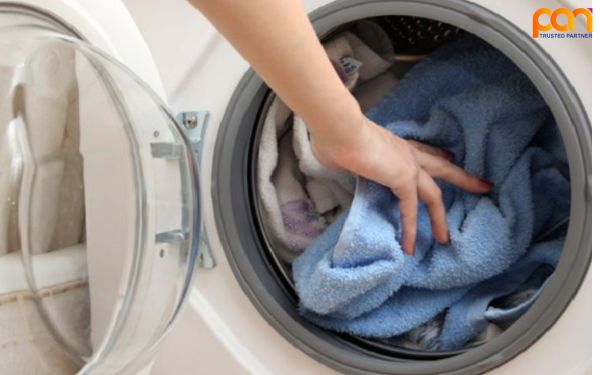
A washing machine uses electrical power to operate its motor, rotate the drum, and perform different stages of the washing process. A typical cycle includes water filling, detergent mixing, washing, rinsing, and extraction. Depending on the model, different programs may be available for different textile types and operating requirements.
However, not every washing machine is designed for extended continuous operation. Frequent use, especially combined with excessive loads or inadequate maintenance, may increase wear and affect machine performance. :contentReference[oaicite:2]{index=2}
Can a Washing Machine Run Continuously? Potential Risks
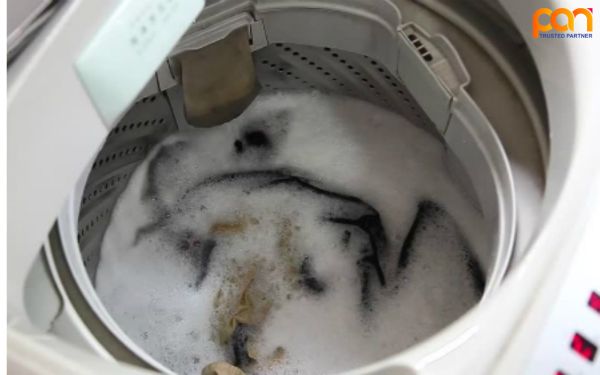
Running several washing cycles consecutively does not necessarily mean that a machine will fail immediately. However, continuous operation under unsuitable load conditions or without the recovery time specified by the manufacturer may increase certain operational risks.
Increased Motor Stress
The motor is a key component responsible for rotating the washing drum. Continuous operation may cause the motor to work at a high intensity for extended periods, increasing heat and wear. Repeated overloading can affect the service life of the motor and related components.
Wear on Other Components
Other components, including the water pump, drain valve, drum, and mechanical parts, also operate during each cycle. Frequent operation, particularly with excessive loads, may accelerate wear and affect overall machine performance.
Higher Energy and Resource Consumption
Each washing cycle consumes electricity, water, and suitable laundry chemicals. Therefore, increasing the number of cycles also increases overall consumption. Using the correct load and appropriate washing program can help control operating costs.
Risk of Overheating
Extended continuous operation can increase the temperature of the motor and other components. For machines that are not designed for intensive use, overheating may affect operating stability and safety. Users should therefore follow the manufacturer's operating and maintenance requirements.
Important Considerations When Using a Washing Machine Continuously
Avoid Overloading the Machine
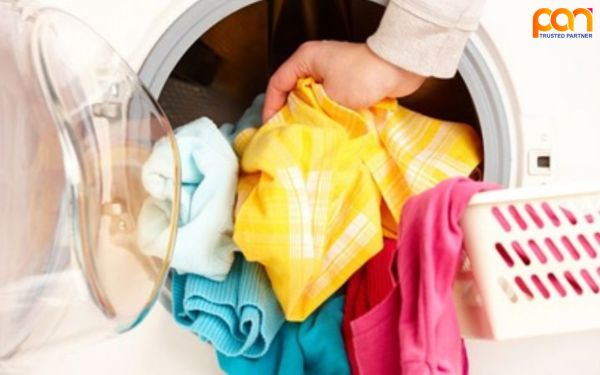
Every washing machine has a maximum rated load. Avoid placing excessive amounts of laundry into a single cycle because a heavy load can increase stress on the motor and drive components. Operating within the specified capacity helps maintain stable performance and reduce unnecessary wear.
Allow the Machine to Rest When Required
If the machine and manufacturer instructions require a rest period between cycles, users should follow those requirements. Allowing the machine to cool between loads can help reduce thermal stress on the motor and components. The source recommends a 15–30 minute rest period between cycles for continuous use. :contentReference[oaicite:3]{index=3}
Use the Appropriate Washing Program
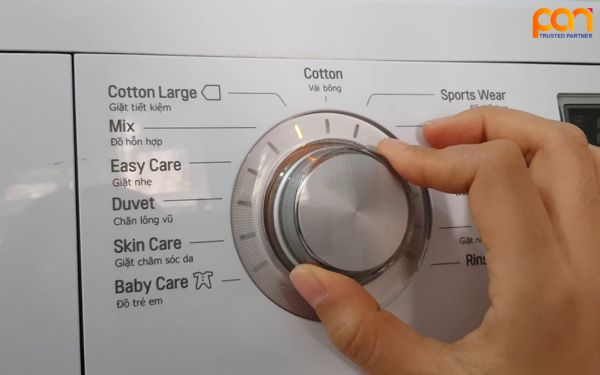
When an energy-saving program is available, users can select a cycle according to the textile type and level of soiling. Using an appropriate program helps avoid operating the machine at a higher intensity than necessary while supporting better control of electricity and water consumption.
How to Protect a Washing Machine When It Is Used Frequently
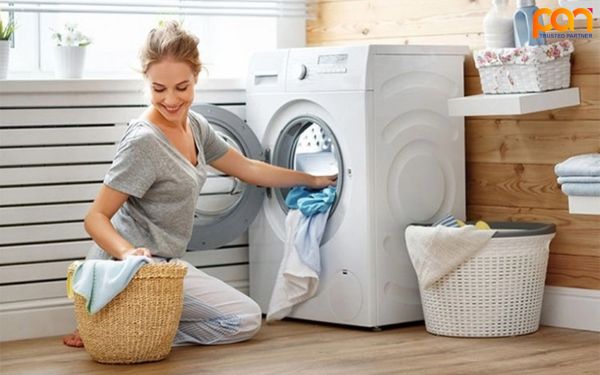
For large households or facilities that process significant amounts of laundry every day, choosing equipment that matches the actual workload is important. The following measures can help:
Choose a Machine with the Appropriate Capacity
A machine with a suitable load capacity can reduce overloading and the need to divide laundry into too many small batches. For frequent use, consider equipment with a capacity that matches the actual workload rather than repeatedly pushing a smaller machine beyond its intended capacity.
Check Available Operating Features
Some washing machines include features designed to support temperature management, motor protection, or program control. When selecting equipment, review the technical specifications and manufacturer's documentation for the specific model.
Perform Regular Maintenance
Regular maintenance helps identify wear, leaks, blockages, and potential issues involving the motor or water supply and drainage systems. For frequently used equipment, the maintenance interval should be determined according to the manufacturer's recommendations and actual operating intensity.
Fagor Industrial Washing Machines for High-Frequency Laundry Operations
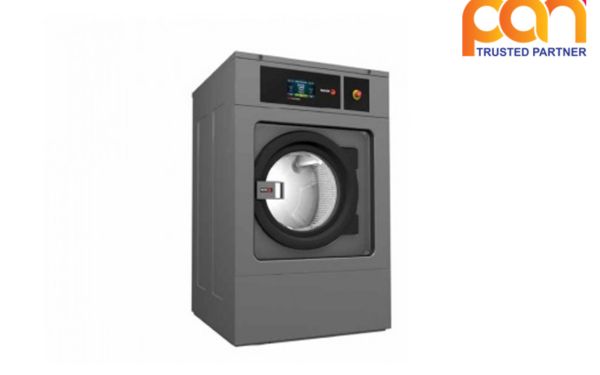
For professional laundries, hotels, hospitals, factories, and facilities processing large volumes of textiles, industrial washing machines designed for intensive use are more appropriate than using household machines for repeated high-volume cycles.
Fagor LA-11 TP2 Industrial Washing Machine
The Fagor LA-11 TP2 has a capacity of 11 kg per load and is intended for laundry facilities requiring stable textile processing. According to the source material, the model focuses on energy and water efficiency and provides a high extraction speed.
Fagor LA-14 TP2 Industrial Washing Machine
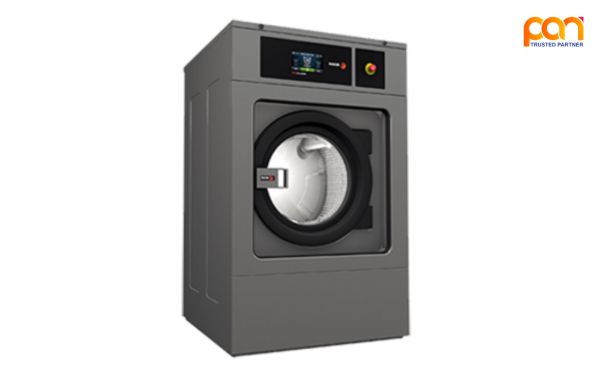
The Fagor LA-14 TP2 has a capacity of 14 kg per load. The source describes the model as having a high extraction speed and being designed for efficient operation. Its cabinet, washing chamber, and drum are described as being made of stainless steel.
Fagor LA-35C TP2 Industrial Washing Machine
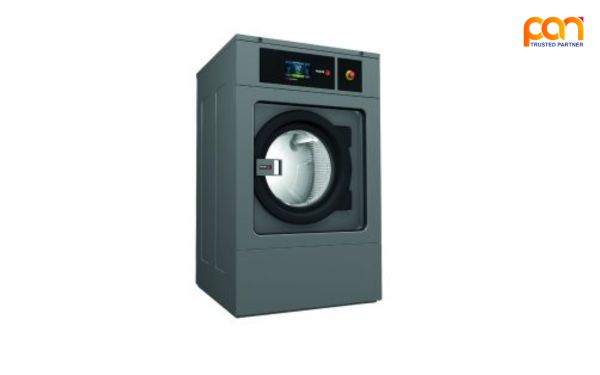
The Fagor LA-35C TP2 has a capacity of 35 kg per load. According to the source material, the model provides a G-Force of 450 and is suitable for environments such as hotels, hospitals, factories, and professional laundry facilities.
Conclusion
Running a washing machine through multiple consecutive cycles may place greater stress on the equipment, particularly when the machine is overloaded or not properly maintained. Rather than simply asking whether a machine can run continuously, users should consider its rated capacity, design, manufacturer's operating requirements, and actual workload.
For facilities processing large volumes of textiles, selecting an industrial washing machine with an appropriate capacity allows the equipment to be used for its intended purpose and supports stable operating performance.
Contact Information
PAN TRADING JSC
📞 Hotline: (+84) 28 3840 2222 | 0919 302 879
📍 Address: 142 B2 Street, Sala Urban Area, An Khanh Ward, Ho Chi Minh City, Vietnam
📧 Email: contact@pantrading.vn
🌐 Website: pantrading.vn | thietbigiatcongnghiep.com