Stuffed animals are familiar toys and comfort items in many households, especially among children. After regular use, they can collect dust, sweat, food residue, and other contaminants. So, can you wash stuffed animals in a washing machine? Which cycle is appropriate, and what precautions should you take to prevent damage, deformation, or prolonged drying?
In many cases, a washing machine can provide a convenient way to clean stuffed animals. However, not every stuffed animal is suitable for machine washing. Checking the care label, inspecting the condition of the item, and selecting an appropriate cycle are essential steps to protect both the material and shape of the stuffed animal.
Should You Wash Stuffed Animals Regularly?
Stuffed animals used frequently can come into contact with dust, sweat, food, and other substances. Children may hug, play with, or sleep with them, making regular cleaning important for maintaining a clean and comfortable environment.
Proper washing helps remove dirt and unwanted odors while supporting the softness and shape of the item. For people with sensitive skin or allergies, cleaning dust and pollen from frequently used stuffed animals may also help reduce exposure to potential irritants.
The appropriate cleaning frequency depends on how often the item is used, its storage environment, and the manufacturer's instructions. Avoid washing too frequently if the material or internal structure is not designed to withstand machine washing.
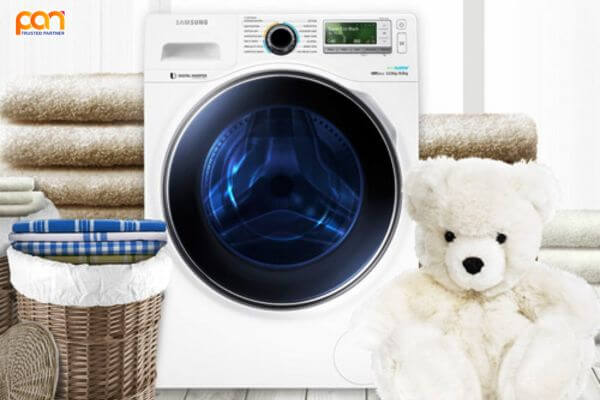
Which Washing Machine Cycle Is Suitable for Stuffed Animals?
When washing stuffed animals in a washing machine, choose a program with gentle movement and reduced mechanical action to minimize damage to the outer fabric and inner filling. Always check the care label first, as cleaning requirements vary depending on the material and construction.
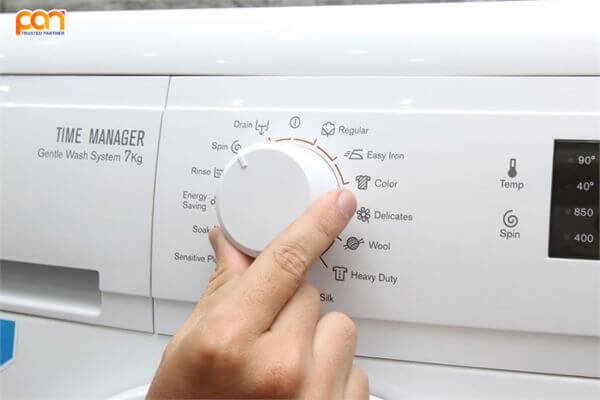
Gentle or Delicate Cycle
Gentle and Delicate cycles usually use slower drum movement and lower spin speeds than standard programs. They are often suitable for stuffed animals made from soft fabrics with a relatively simple construction.
Hand Wash or Sensitive Garment Cycle
Some washing machines offer a hand-wash program that imitates gentler washing movements. This may be appropriate for stuffed animals with soft fur, decorative details, or sensitive fabrics, provided that machine washing is allowed by the manufacturer.
Quick Wash Cycle
A Quick Wash cycle should only be used when the stuffed animal is lightly soiled and the care instructions allow machine washing. A short cycle may not be sufficient for heavily soiled items or products that retain a significant amount of water.
How to Wash Stuffed Animals in a Washing Machine Properly
To reduce the risk of damage, follow these steps before and during washing:
1. Check the Care Label and Condition of the Stuffed Animal
- Check the care label to confirm whether the stuffed animal is machine washable.
- Inspect the seams, holes, tears, and any areas where the filling may be exposed.
- Repair loose stitching or small tears before washing to prevent the filling from escaping.
- Remove detachable accessories such as clothing, bows, or decorative items whenever possible.
2. Place the Stuffed Animal in a Laundry Bag
Using a suitable laundry bag helps reduce direct friction between the stuffed animal and the washing machine drum. It also provides additional protection for small details, seams, and the outer fabric during operation.
3. Use a Suitable Amount of Mild Detergent
Use a mild detergent in an appropriate amount according to the instructions. Avoid excessive detergent, as residue may remain in the fabric or inner filling and make thorough rinsing more difficult.
4. Select an Appropriate Water Temperature
Cold or moderately warm water is generally a safer choice for many stuffed animals. Excessive heat may cause shrinkage, color fading, or damage to certain materials. Always follow the care label whenever available.
5. Select a Gentle Cycle and Low Spin Speed
Choose Gentle, Delicate, or Hand Wash when permitted by the manufacturer. A lower spin speed helps reduce stress on the outer fabric, seams, and internal filling.
How to Dry Stuffed Animals Without Losing Their Shape
After washing, stuffed animals should be dried completely to reduce moisture buildup and unwanted odors inside the filling.
- Do not twist or wring the stuffed animal forcefully, as this may deform the head, arms, or body.
- Use a clean towel to gently press out excess water.
- Dry the item in a well-ventilated area and avoid prolonged exposure to harsh direct sunlight.
- Lay the stuffed animal flat on a clean surface to reduce stretching while wet.
- Turn or reposition it regularly so that the inner filling dries evenly.
- Store the stuffed animal only after it is completely dry, especially around thick areas such as the body, arms, and legs.
For large stuffed animals, items that retain substantial amounts of water, or products with special internal structures, consider a more suitable cleaning method instead of washing them at home.
Which Stuffed Animals Should Not Be Machine Washed?
Not every stuffed animal is suitable for machine washing. Consider hand washing or professional cleaning if the item has any of the following characteristics:
- Electronic components, batteries, speakers, or lights.
- Multiple glued details, easily detached accessories, or sensitive decorative materials.
- Long fur, special fabrics, or materials that require dry cleaning.
- Weak seams, an aging structure, or deteriorated internal filling.
- A care label that specifically prohibits machine washing.
Conclusion
Washing stuffed animals in a washing machine can be a convenient solution when the item is machine washable and the correct cycle is selected. A gentle program, suitable water temperature, moderate detergent, and low spin speed can help reduce the risk of damage.
In addition to proper washing, drying plays an important role in maintaining the shape and quality of the stuffed animal. Always check the care label and inspect the item's condition before placing it in the washing machine.
For businesses providing laundry, textile cleaning, or professional laundry services, selecting equipment suited to different fabric types can improve cleaning efficiency while protecting items throughout the processing cycle.
Contact PAN for Industrial Laundry Equipment Solutions
If your business needs advice on industrial washing machines, laundry equipment, or solutions suited to its operational requirements, contact PAN for professional support.
CÔNG TY CỔ PHẦN THƯƠNG MẠI PAN
📞 Hotline: (+84) 28 3840 2222 | 0919 302 879
📧 Email: contact@pantrading.vn
🌐 Website: pantrading.vn | thietbigiatcongnghiep.com