Weak water flow into a washing machine is a common issue that can extend washing time, affect cleaning performance, and interrupt the normal operating cycle. Identifying the correct cause can help users choose an appropriate solution and reduce the risk of further problems.
How Low Water Flow Affects Washing Machine Operation
- Longer washing cycles: slow water filling can increase the time required to complete a wash cycle.
- Reduced washing performance: insufficient water may affect the proper dissolution and distribution of laundry detergent.
- Potential equipment wear: prolonged or unstable operation may increase wear on certain components.
8 Common Causes of Weak Water Flow Into a Washing Machine
1. Problems With the Household Water Supply
Leaks, damaged pipes, or unstable water flow in the household water supply system can reduce the pressure reaching the washing machine.
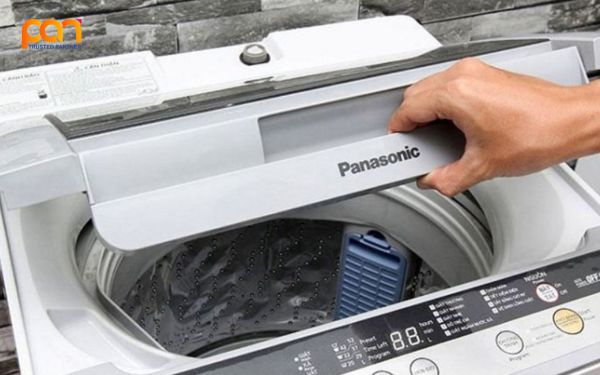
Possible solutions:
- Inspect the water supply system.
- Repair or replace leaking or damaged pipes.
- Use an appropriate water pressure control device when necessary to stabilize the flow.
2. Low Water Pressure
A water tank installed too low or an inadequate water supply system can result in insufficient pressure at the washing machine inlet.
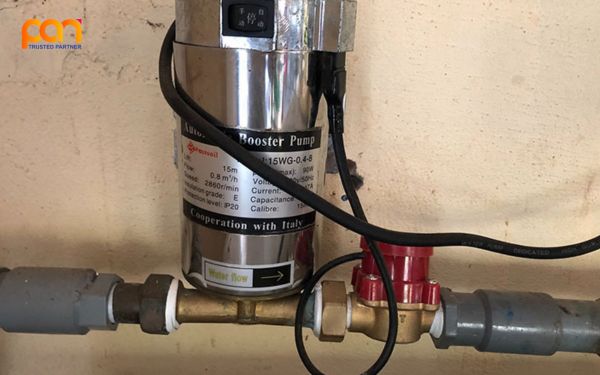
Possible solutions:
- Check the water source and supply arrangement.
- Adjust the water tank position when appropriate for the installation conditions.
- Install a booster pump when necessary to maintain stable water flow.
3. Blocked Washing Machine Inlet Hose
Over time, dirt, deposits, or buildup inside the inlet hose can restrict water flow. A kinked or deteriorated hose can also reduce the water supply.
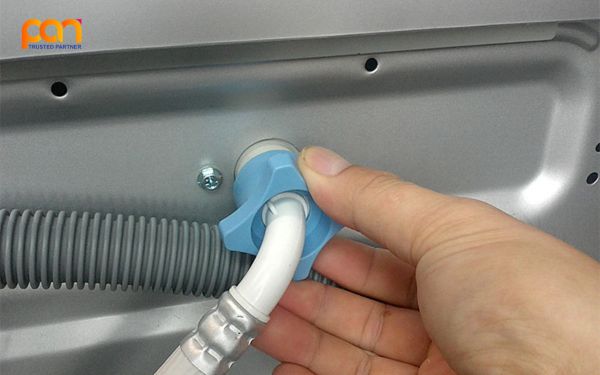
Possible solutions:
- Inspect the entire inlet hose.
- Clean the hose to remove deposits.
- Correct any kinks in the hose.
- Replace the hose if it is damaged or deteriorated.
4. Faulty Water Inlet Valve
The water inlet solenoid valve may become obstructed by deposits or develop a fault after prolonged use. When the valve does not operate correctly, water flow may be reduced or the machine may fail to fill.
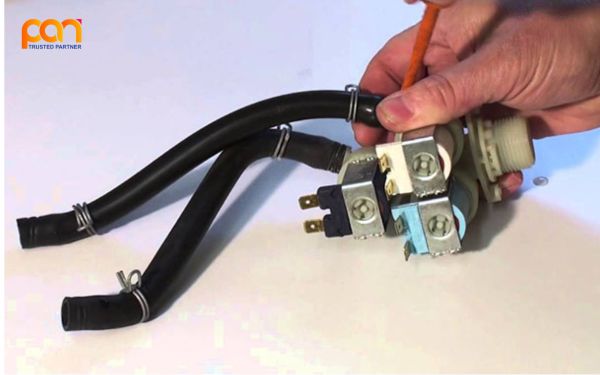
Possible solutions:
- Inspect the water inlet valve.
- Clean it if deposits are affecting its operation and cleaning is permitted by the manufacturer's instructions.
- Replace a faulty valve with a component compatible with the washing machine model.
5. Unstable or Uneven Installation Position
An unstable installation surface may affect machine operation and related systems. The washing machine should be installed on a firm, level, and stable surface.
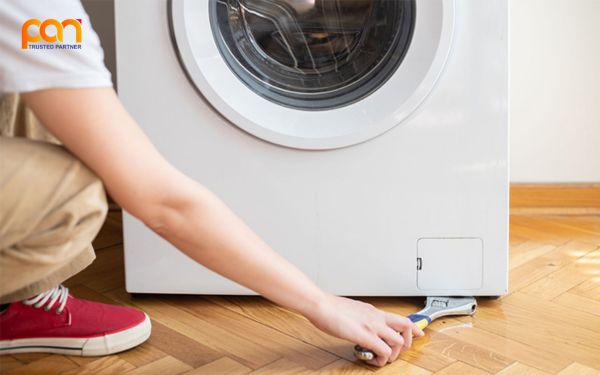
Possible solutions:
- Check the machine's installation position.
- Level the machine on a firm and stable surface.
- Use a suitable leveling base if required by the floor conditions.
6. Blocked Water Inlet Filter
The filter at the water inlet valve helps prevent deposits from entering the system. Dirt, sand, and other particles from the water supply can accumulate on the filter and reduce water flow.
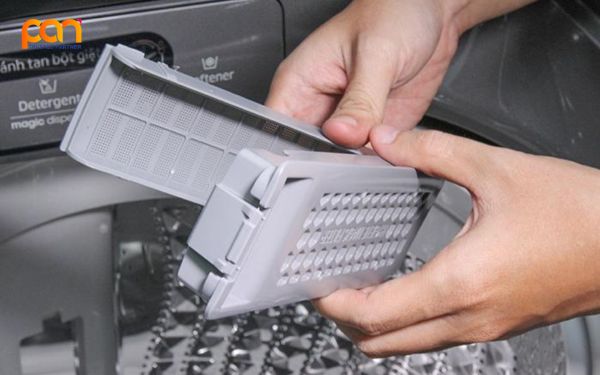
Possible solutions:
- Inspect the water inlet filter.
- Clean it gently to remove deposits.
- Replace the filter if it is damaged, using a compatible component.
7. Dirty or Faulty Water-Level Sensor
The water-level sensor helps the machine detect the amount of water during operation. If the sensor is dirty or faulty, the machine may detect the water level incorrectly and fail to run the wash cycle as intended.
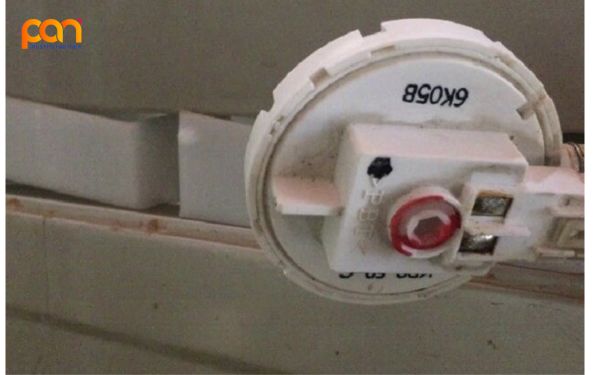
Possible solutions:
- Inspect the sensor.
- Clean it according to the technical instructions for the specific model.
- If the sensor is faulty, contact a technician for inspection and replacement.
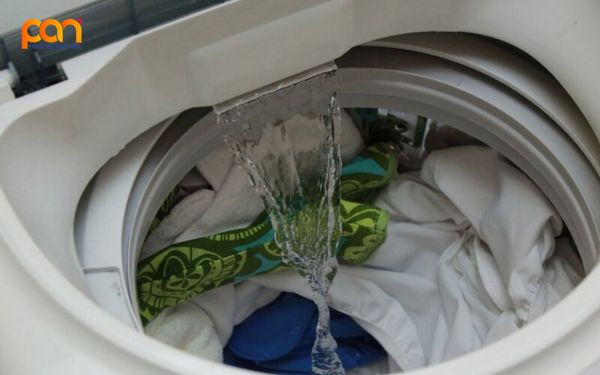
8. Faulty Water Pump
The water pump may experience problems because of overload, technical faults, deposits, or foreign objects. Depending on the machine design, poor pump performance can affect water circulation or related water-handling functions.
Possible solutions:
- Inspect the pump and remove obstructions when this can be done safely.
- Perform periodic maintenance according to the manufacturer's instructions.
- Contact a technician if the pump is damaged or needs replacement.
Washing Machine Cleaning Tips to Reduce Blockages
Regular cleaning of components associated with the water supply can help reduce deposits and maintain stable water flow. Always follow the manufacturer's instructions for the specific washing machine model.
Clean the Washing Drum Regularly
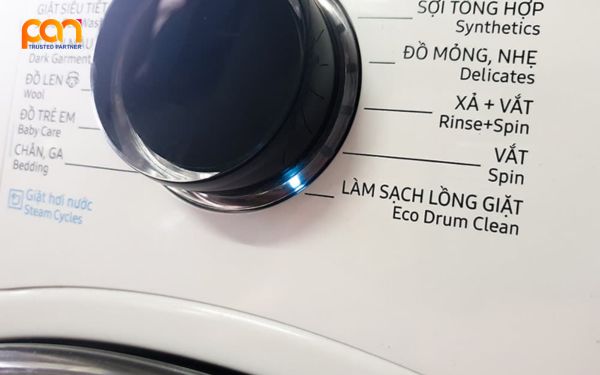
The drum may accumulate detergent residue, dirt, and other deposits over time. Use the machine's drum-cleaning program or a cleaning product that is suitable for the model.
Clean the Water Inlet Filter
Inspect and clean the water inlet filter regularly to prevent deposits from restricting water flow. Turn off the water supply before removing the filter and follow the appropriate technical instructions.
Inspect and Clean the Inlet Hose
Check the inlet hose for kinks, deposits, mold, or damage. Replace the hose if it has deteriorated and use a component suitable for the washing machine.
Clean the Detergent and Softener Dispenser
Detergent and fabric softener residue can accumulate in the dispenser and restrict water flow. Remove the dispenser according to the manufacturer's instructions and clean it with suitable water and cleaning tools.
Inspect the Pump and Related Components
The pump and related components may accumulate dirt or foreign objects. Disconnect the power before inspection and follow the technical documentation. Complex electrical or mechanical components should be handled by qualified technicians.
Clean the Exterior
Use a soft cloth to clean the exterior of the washing machine. Avoid allowing water to enter the control panel or electronic components.
Use the Correct Amount of Laundry Detergent
Using excessive detergent can increase residue buildup inside the equipment. Follow the dosage recommendations provided by the detergent manufacturer and washing machine manufacturer.
Keep the Machine Ventilated After Use
After a wash cycle, if permitted by the machine design, leave the door or lid open to allow the drum to dry naturally and reduce moisture and unpleasant odors.
Fagor Industrial Washing Machines for Professional Laundries
For factories, hotels, hospitals, commercial laundries, and other facilities processing large volumes of textiles, industrial washing machines should be selected according to capacity, operating frequency, textile types, and the actual laundry workflow.
Fagor Professional offers industrial laundry equipment in different configurations and capacities. The appropriate model should be selected according to the specific requirements of each facility.

Contact Information
PAN TRADING JSC
📞 Hotline: (+84) 28 3840 2222 | 0919 302 879
📍 Address: 142 B2 Street, Sala Urban Area, An Khanh Ward, Ho Chi Minh City, Vietnam
📧 Email: contact@pantrading.vn
🌐 Website: pantrading.vn | thietbigiatcongnghiep.com