The rinse cycle is an essential part of the washing process, helping remove dirty water, detergent and remaining residues from clothes. But how many times does a washing machine usually rinse? Understanding the number of rinses in different programs can help users operate the machine correctly, optimize washing performance and support longer equipment life.
What Is the Rinse Cycle of a Washing Machine?
The rinse cycle is an important stage of the washing process. It helps remove dirty water, detergent and remaining residues from clothes. Understanding how many times a washing machine rinses can also help users choose the appropriate washing program for different fabrics and levels of dirt.
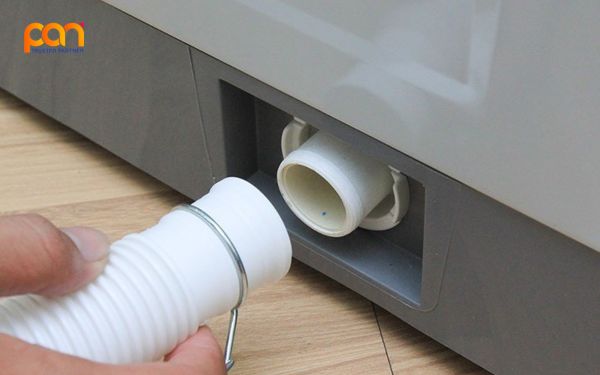
The Role of the Rinse Cycle in Washing
The rinse cycle plays an important role in removing detergent and residues remaining after the washing stage. It helps reduce unwanted residues on fabrics and contributes to a more comfortable result after washing.
For industrial washing machines, an appropriately configured rinse cycle can also contribute to consistent cleaning performance when processing large volumes of laundry.
Why Proper Rinsing Matters for Cleaning Quality and Machine Life
Proper rinsing helps reduce detergent residue and supports fabric care. This is particularly important for industrial washing machines, where large laundry loads require stable and efficient operation.
Following the appropriate rinse program can also help avoid unnecessary stress on the drainage system and related components. Incorrect operation, on the other hand, may reduce washing performance or contribute to operational problems.
Why Should You Understand the Washing Machine Rinse Cycle?
The rinse cycle removes detergent and dirt remaining on clothes after washing. For modern industrial laundry equipment, understanding the rinse settings for each program helps operators select an appropriate cycle and identify potential issues such as drainage blockages.
Understanding the rinse cycle provides several practical benefits:
- Optimized washing performance: Clothes can be rinsed more effectively with less detergent residue remaining.
- Reduced equipment problems: Monitoring the rinse cycle can help identify abnormalities earlier and reduce potential repair costs.
- Water and energy efficiency: Selecting an appropriate program helps avoid unnecessary resource consumption.
- Better user comfort: Effective rinsing helps reduce detergent residues on fabrics, especially for children's clothing and sensitive skin.
Understanding and managing the rinse cycle effectively can improve the washing experience while supporting long-term equipment operation.
How Many Times Does a Washing Machine Usually Rinse?
The number of rinses is not necessarily the same for every washing program. It depends on the selected cycle and the design and settings of the individual washing machine.
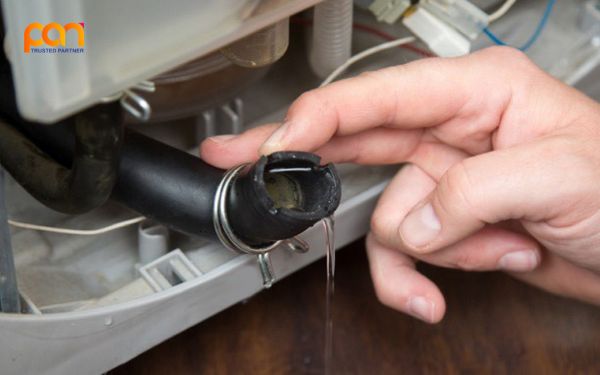
Typical Number of Rinses in Common Washing Programs
Different washing programs are designed for different requirements, from quick washing to intensive cleaning. Based on the reference content, the typical rinse ranges can be summarized as follows:
- Quick wash: Usually 1–2 rinses during the complete cycle. This program is suitable for lightly soiled clothes or situations where a shorter washing time is needed.
- Normal wash: Usually 2–3 rinses. This is a common program for everyday clothing and moderate levels of dirt.
- Intensive wash: Usually 3–4 rinses. This program is suitable for thicker, heavily soiled or items requiring more thorough cleaning.
Differences Between Washing Programs
Choosing the right washing program affects washing time, water and energy consumption, and cleaning performance. Each program is designed for different laundry requirements.
- Quick wash: Suitable when a shorter washing time is required. It can help reduce time and resource consumption, but cleaning performance may be lower than that of intensive programs.
- Normal wash: Provides a balance between washing time, cleaning performance and resource consumption. It is suitable for most everyday clothing.
- Intensive wash: Designed for deeper cleaning of thick or heavily soiled items. This program generally uses more rinsing to help remove dirt and detergent residues.
Understanding the rinse settings and selecting the appropriate washing program can improve cleaning performance while supporting more efficient use of water and energy.
Factors Affecting the Number of Rinses
The number of rinses can depend on several factors, including the washing program, machine type, integrated technology and the operating condition of the equipment.
Washing Program
The selected washing program is one of the main factors affecting the number of rinses in a cycle.
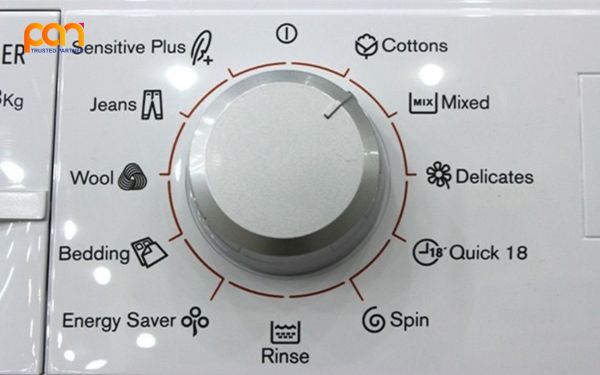
- Quick wash: Usually 1–2 rinses and suitable for lightly soiled clothes or quick washing needs.
- Normal wash: Usually 2–3 rinses and suitable for everyday clothing or moderately soiled items.
- Intensive wash: Usually 3–4 rinses and suitable for heavily soiled, thick or sensitive items requiring more thorough cleaning.
Washing Machine Type
The design and functions of different washing machine types can also affect how the rinse cycle is configured.
- Top-load washing machines: These machines have a simple and familiar design. Rinse settings depend on the specific model and selected program.
- Front-load washing machines: These machines are generally designed around efficient water use and washing performance. The number of rinses depends on the selected program and model.
- Industrial washing machines: Designed to process large laundry loads, these machines can provide programmable cycles suitable for professional laundry operations in factories, hotels, hospitals and other facilities.
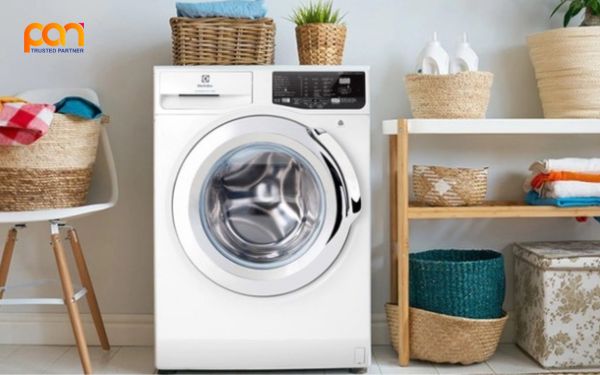
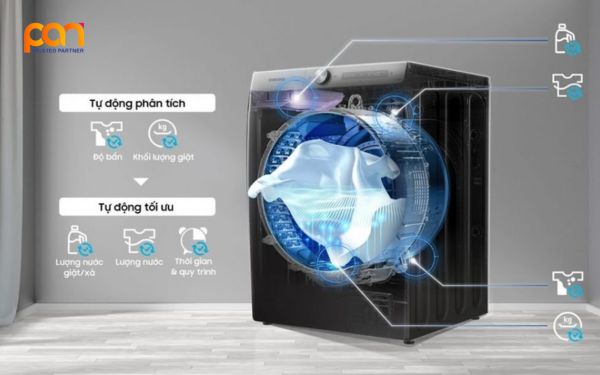
Integrated Technology
Modern washing machine technologies can help optimize water use and washing cycles:
- Smart sensors: Some machines can adjust water levels or operating parameters according to the laundry load and selected program.
- Water filtration systems: Some equipment includes filtration systems that help reduce impurities in the water supply.
- Water-saving technology: Optimized programs can help reduce water consumption while maintaining the required washing performance.
Washing Machine Condition
The operating condition of a washing machine can also affect whether the rinse cycle is completed as programmed.
- Machine operating normally: The machine follows the selected program and performs the rinse cycle as configured.
- Drainage blockage: A blocked drain hose can prevent water from draining properly and affect washing performance.
- Water pump problems: A faulty pump system can interfere with the rinse process and should be inspected when abnormal operation occurs.

Why Does a Washing Machine Need Multiple Rinses?
Multiple rinses in certain washing programs can improve the removal of detergent and remaining dirt. The appropriate number of rinses depends on the selected program, laundry type and machine settings.
Removing Detergent and Dirt Residues
Rinsing helps remove detergent and dirt remaining on clothes after washing. If rinsing is insufficient, residues may remain on fabrics and affect the washing result.

Supporting User Comfort
Remaining detergent or cleaning agents on clothing can cause discomfort, particularly for people with sensitive skin or for children. An appropriate rinse cycle helps reduce detergent residues on fabrics.
Improving Washing Performance
An appropriate rinse cycle helps remove remaining detergent and residues more effectively. This is especially useful for thick fabrics and heavily soiled laundry.

Protecting Fabrics
Detergent residues left on fabrics may affect their feel and condition. Proper rinsing helps reduce this issue and supports better fabric care over time.
Supporting Longer Machine Life
If detergent and dirt accumulate inside the washing drum or drainage system, equipment performance may be affected. Regular cleaning and maintenance help minimize such buildup.

Meeting the Requirements of Different Washing Programs
Each washing program is designed with different rinse settings to meet specific cleaning requirements. Intensive, deep-cleaning and children's clothing programs may use more rinsing than quick-wash programs.
How to Check and Adjust the Number of Rinses
Checking and adjusting the rinse settings can help users select a suitable program, manage water consumption and maintain washing performance.
How to Check the Number of Rinses
Each washing machine has different functions and settings. Users can check the rinse cycle in several ways:
- Check the washing machine manual: Manufacturer documentation generally describes the washing programs and rinse settings.
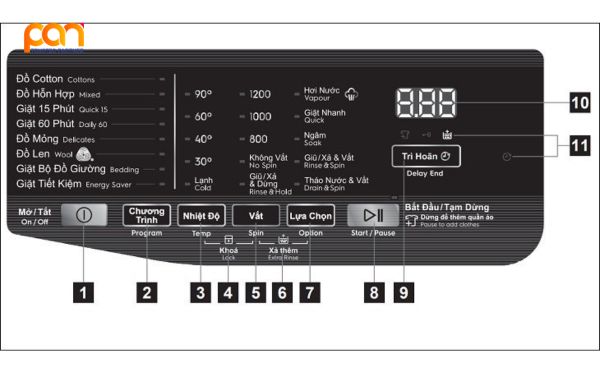
- Check the control panel: Some modern washing machines provide displays or buttons for selecting and adjusting rinse-related functions.
- Observe the washing cycle: Users can observe when the machine performs its rinse stages to better understand the selected program.
How to Adjust the Number of Rinses
Depending on the machine and washing program, users may be able to adjust the rinse settings according to their needs.
- Modern washing machines: Use the Extra Rinse function when additional rinsing is required. Some models may also provide other water-related settings.
- Basic washing machines: Select a suitable program such as quick wash, normal wash or intensive wash. The rinse cycle will change according to the selected program.
Activate the extra-rinse function: If clothes require additional rinsing or the user wants to reduce detergent residue, the Extra Rinse function can be used when available.
Use smart sensing functions: Some advanced washing machines can automatically adjust water use or cycle parameters according to the laundry load and selected program.
Important Tips for Effective Rinsing
To maintain effective rinsing, users should pay attention to both program selection and regular equipment maintenance.
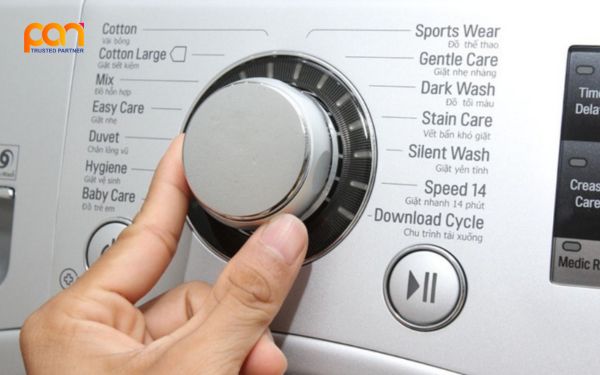
Choose the Appropriate Washing Program
Select the program according to the fabric type and level of dirt. Quick wash can be suitable for lightly soiled clothes, while intensive programs are more appropriate for thick or heavily soiled items.
Avoid Overloading
Overloading the washing machine can reduce washing performance and make it more difficult to remove detergent and dirt during rinsing. Always follow the maximum load recommended by the manufacturer.
Use the Correct Amount of Detergent
Using too much detergent can increase the amount of residue that needs to be removed during rinsing. Use the appropriate amount according to the detergent instructions and selected washing program.

Check and Clean the Drain Hose
Make sure the drain hose is free from blockages so water can drain properly. Regular cleaning helps remove dirt, lint and foreign objects that may obstruct drainage.
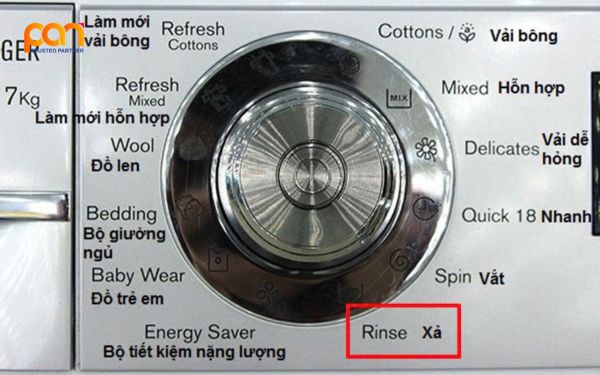
Use Extra Rinse When Necessary
For children's clothing, sensitive fabrics or situations where additional detergent removal is desired, the Extra Rinse function can be used if available.
Maintain the Washing Machine Regularly
Regularly cleaning the washing drum, filters and drainage system helps reduce residue buildup and maintain stable machine performance.
Check Water Quality
Water containing high levels of impurities or hardness can contribute to residue buildup inside the equipment. Checking water quality and using filtration when necessary can help protect the washing machine.
Check the Automatic Rinse Function
If the washing machine includes automatic sensing or cycle adjustment, check and use this function correctly. Automatic settings can help optimize water use and washing parameters according to the selected program.

How Many Times Does a Toshiba Washing Machine Rinse?
When using a Toshiba washing machine, users may wonder how many times the machine rinses during a washing cycle. According to the reference content, Toshiba washing machines typically rinse at least twice during a cycle:
- First rinse: After the washing stage, water is drained to remove detergent and dirt.
- Second rinse: After the first rinse, the machine rinses again to remove remaining detergent from the clothes.
However, the number of rinses can vary depending on the selected washing program and the specific model. For an exact rinse sequence, users should refer to the instruction manual for their particular Toshiba model.

Featured Industrial Washing Machines
Fagor industrial washing machines are presented in the reference content as solutions for professional laundry operations. The following models are suitable for laundry facilities, hospitals, hotels and factories.
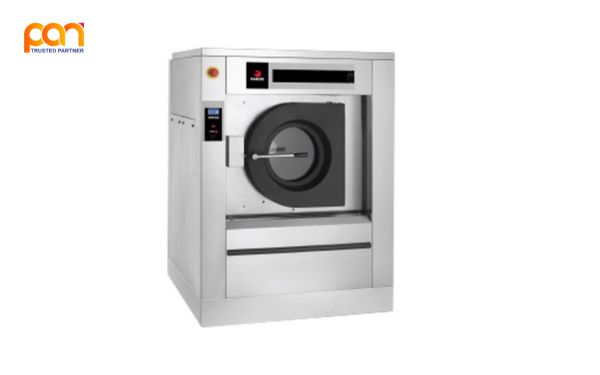
Fagor LA-60 TP2
The Fagor LA-60 TP2 has a washing capacity of 60–67 kg per load. According to the reference information, it operates at a spin speed of 875 rpm with a 450 G extraction force. The washing drum has a 600-liter capacity, with dimensions of 1,048 mm in diameter x 684 mm in depth.
Key features:
- 7-inch touchscreen supporting 37 languages.
- Integrated water-reuse system.
- AISI-304 stainless steel washing drum.
Fagor LA-45 TP
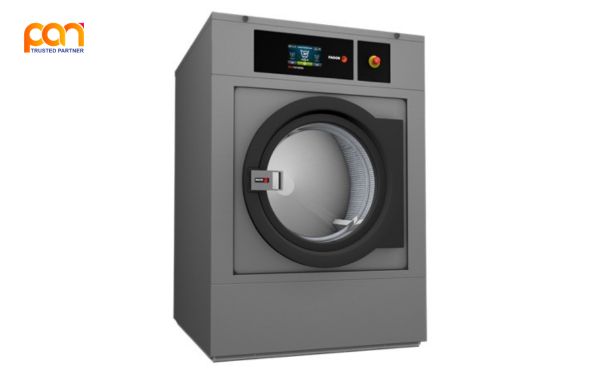
The Fagor LA-45 TP has a washing capacity of 45–50 kg per load, making it suitable for medium-scale professional laundry operations such as hotels, hospitals and laundry facilities. It has a spin speed of 934 rpm and a centrifugal force of 450 G. The washing drum has a capacity of 450 liters, with a diameter of 918 mm and a depth of 720 mm.
Key features:
- TOUCH PLUS microprocessor with touchscreen interface.
- Design focused on efficient water and energy use.
- Durable construction for professional operating conditions.
Fagor LA-25 TP2
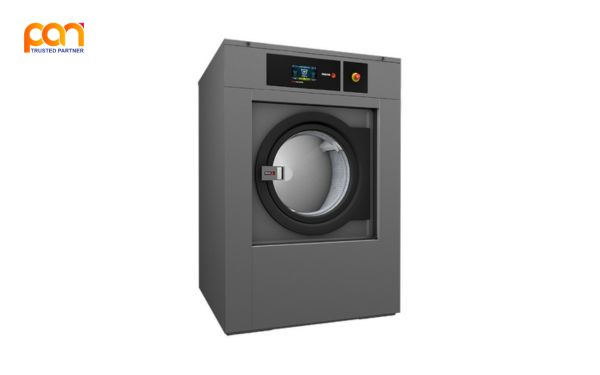
The Fagor LA-25 TP2 has a washing capacity of 25 kg per load and is suitable for small- to medium-sized laundry facilities. It operates at a spin speed of 682 rpm and is designed to support efficient washing and reduced drying time.
Key features:
- AISI-304 stainless steel washing drum.
- Compact design for space-efficient installation.
- Control system supporting multiple washing programs.
Why Consider Industrial Washing Machines from PAN?
For professional laundry facilities, selecting the right equipment requires consideration of washing capacity, fabric types, operating frequency, installation space and water and energy requirements.
PAN provides industrial washing machines in different capacities to support various professional laundry requirements, from medium-sized facilities to operations handling large laundry volumes.
Support services include:
- Equipment selection consultation based on operational requirements.
- Installation consultation and support.
- Equipment warranty and maintenance support.
- Technical assistance during operation.
Conclusion
Understanding how many times a washing machine usually rinses helps users select a suitable program based on fabric type and soil level. According to the reference content, quick wash, normal wash and intensive wash may typically involve around 1–2, 2–3 and 3–4 rinses respectively.
However, the actual number of rinses depends on the washing machine type, model, selected program and manufacturer settings. Choosing the appropriate cycle, avoiding overloading, using the correct amount of detergent and maintaining the machine regularly can help optimize washing performance, use resources efficiently and support longer equipment life.
Contact PAN for Consultation
If your business is looking for an industrial washing machine or needs advice on selecting equipment suitable for your laundry facility, PAN can support you from equipment selection to professional industrial laundry consultation.
Contact PAN for consultation on industrial laundry equipment and laundry solutions.
Contact Information
PAN TRADING JSC
📍 142 B2 Street, Sala Urban Area, An Khanh Ward, Ho Chi Minh City, Vietnam
📞 (+84) 28 3840 2222 - 0919 302 879
🌐 pantrading.vn | thietbigiatcongnghiep.com
📩 contact@pantrading.vn