Water conservation is becoming increasingly important when using laundry equipment. One common question is: how much water does a 7kg washing machine use per cycle? The actual amount depends not only on the machine's 7kg capacity but also on its design, washing program, textile type, and operating method.
Factors That Affect Washing Machine Water Consumption
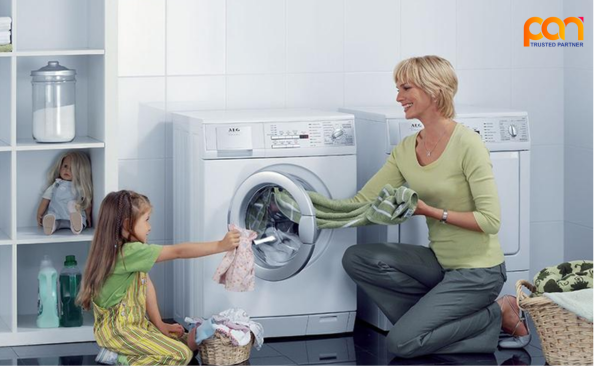
Water consumption can vary considerably between washing machine models. Therefore, two 7kg washing machines may not use the same amount of water per cycle. :contentReference[oaicite:3]{index=3}
Washing Machine Type
Top-load and front-load washing machines use water differently. Top-load machines generally require more water to wet the laundry, while front-load machines use a tumbling action that can operate with a lower water level.
Washing Machine Capacity
Machine capacity affects the amount of laundry that can be processed and the water required for each cycle. A larger machine is designed to handle larger loads, but choosing a machine that is significantly larger than the actual workload may not always be resource-efficient for small loads.
Washing Program
Different washing programs have different requirements for time, water, and operating intensity. Eco, quick, and delicate programs are generally designed to use fewer resources than intensive washing programs.
Textile Type and Load Size
Heavy textiles such as towels and blankets may require different treatment from lightweight garments. Load size can also affect water consumption when a washing machine has automatic water-level adjustment.
Machine Design and Brand
The technology and design of each model can affect how water is managed during a wash cycle. The source material mentions Fagor and IPSO as brands offering models with technologies intended to optimize water consumption. :contentReference[oaicite:4]{index=4}
How Much Water Does a 7kg Washing Machine Use per Cycle?
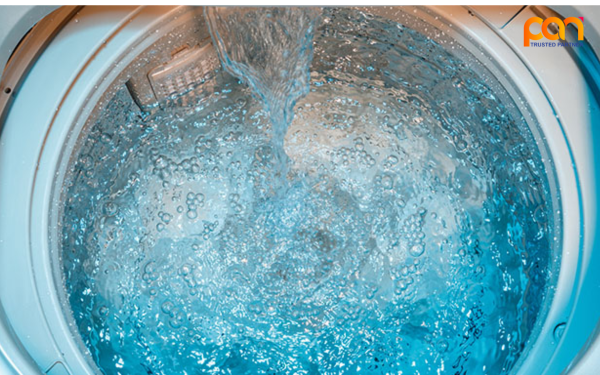
According to the source material, a 7kg washing machine typically uses approximately 50–100 liters of water per cycle, depending on the machine type and washing program. Some front-load machines may use around 50–70 liters in certain programs, while top-load machines may use up to approximately 100 liters. :contentReference[oaicite:5]{index=5}
This should be treated as a reference range rather than a fixed consumption level for every 7kg washing machine. For accurate figures, users should check the technical specifications and manufacturer's documentation for the specific model.
Tips for Saving Water When Using a Washing Machine
Proper operation can help reduce water consumption over time. The following practices can be applied in everyday use:
Choose a Machine with Water-Saving Technology
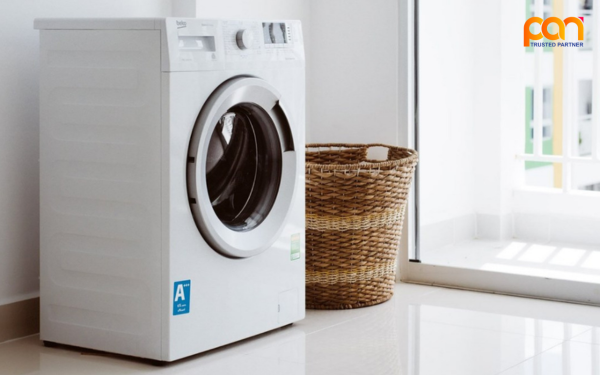
Some washing machines can adjust water levels according to the selected program or laundry load. When choosing equipment, review the specific technical specifications rather than relying only on the brand name.
Use an Appropriate Load Size
Do not operate the machine beyond its rated capacity. If the machine has automatic water adjustment, using an appropriate load also helps the system manage water more effectively.
Use Eco or Quick Programs When Appropriate
For lightly soiled laundry, an eco or quick program may be appropriate when available. Intensive programs should not be used when the laundry only requires light treatment.
Use Automatic Water-Level Adjustment
Some models have sensors or systems that adjust water according to the laundry load. When this feature is available, select the appropriate program and load size to make effective use of the machine's water-management function.
Use Cold Water When Suitable
For suitable textiles and washing programs, cold-water washing can reduce the energy required for water heating. The appropriate temperature should always be selected according to textile requirements and the manufacturer's instructions.
Maintain the Washing Machine Regularly
Cleaning filters, checking water supply lines and drainage hoses, and keeping relevant components free from blockages can help maintain stable machine performance. Proper maintenance can also help prevent inefficient operation.
Use the Recommended Amount of Detergent
Using excessive detergent may require additional rinsing to remove residue. Follow the detergent manufacturer's recommended dosage and adjust it according to the laundry load and washing conditions.
How to Choose a Water-Efficient Washing Machine
When choosing a washing machine, consider not only capacity but also drum design, washing programs, and the machine's ability to control water levels.
Choose a Suitable Drum Design
Drum design affects how the machine uses water. Top-load and front-load machines operate differently, so their water consumption can also vary.
Top-Load Washing Machines
Top-load machines generally require more water to wet the laundry. Some models include water-saving programs or adjustable water levels to help reduce consumption.
Front-Load Washing Machines
Front-load machines use a tumbling mechanism that does not require the entire laundry load to remain submerged. This design is commonly associated with lower water use in washing cycles.
Choose an Appropriate Capacity
A larger machine can process more laundry per cycle, potentially reducing the number of cycles when the load is large enough. However, selecting a machine that is much larger than the actual workload may not be efficient for consistently small loads.
Look for Multiple Washing Programs
Multiple programs allow users to select a cycle according to textile type and soil level. Choosing the appropriate program helps avoid using an intensive cycle when it is not necessary.
Check Water-Level Adjustment Features
If a machine offers automatic or manual water-level adjustment, this is an important feature to consider when water conservation is a priority. Review the specifications of each model to understand its actual adjustment capabilities.
Industrial Washing Machines Mentioned in the Source
In addition to household 7kg washing machines, facilities handling larger textile volumes may require industrial washing machines with higher load capacities. The source material mentions several Fagor and IPSO models:
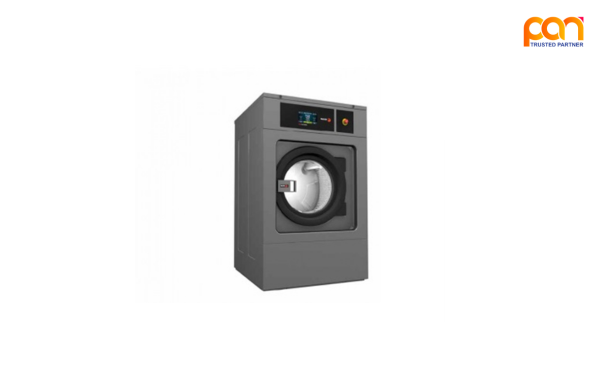
Fagor LA-11 TP2 Industrial Washing Machine
The Fagor LA-11 TP2 is presented in the source as a model designed for efficient water use and suitable for facilities processing larger laundry volumes.
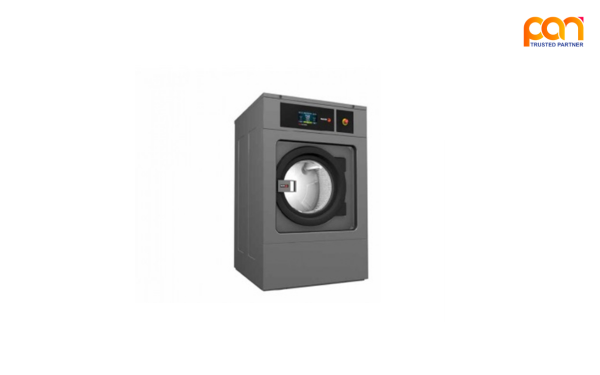
Fagor LA-14 TP2 Industrial Washing Machine
The Fagor LA-14 TP2 is described in the source as supporting water adjustment according to laundry load and focusing on controlling water consumption during operation.
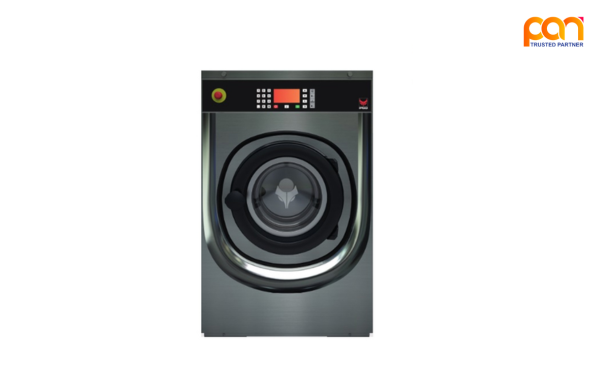
IPSO IY105 Industrial Washing Machine
The IPSO IY105 is presented in the source as a machine for facilities handling larger laundry volumes, with a control system and water-management capabilities described as adapting to the laundry load.
Industrial Laundry Equipment for Professional Operations
Hotels, hospitals, restaurants, factories, and professional laundries often process much larger textile volumes than households. In these environments, industrial washing machines should be selected according to load capacity, operating requirements, washing programs, and water consumption.
PAN provides industrial washing machines from brands mentioned in the source material, including Fagor and IPSO, and supports equipment selection based on actual laundry requirements and facility scale.
Conclusion
So, how much water does a 7kg washing machine use? According to the source material, the typical reference range is approximately 50–100 liters per cycle. Actual consumption varies according to the machine model, design, washing program, load size, and textile type.
To reduce water consumption, choose an appropriately sized machine, use suitable load sizes and washing programs, take advantage of water-level adjustment features, and maintain the equipment regularly. For professional laundry operations, industrial washing machines should be selected based on actual load requirements and operating conditions rather than capacity alone.
Contact Information
PAN TRADING JSC
📞 Hotline: (+84) 28 3840 2222 | 0919 302 879
📍 Address: 142 B2 Street, Sala Urban Area, An Khanh Ward, Ho Chi Minh City, Vietnam
📧 Email: contact@pantrading.vn
🌐 Website: pantrading.vn | thietbigiatcongnghiep.com