Washing machines are widely used in households, making laundry more convenient and reducing the time required for everyday washing. However, water consumption remains an important consideration. So, how much water does an 8kg washing machine use, and what should you consider when choosing a water-efficient model?
What Are the Characteristics of a Water-Efficient Washing Machine?
Water-efficient washing machines are designed to use an appropriate amount of water while maintaining effective cleaning performance. Instead of using a large volume of water throughout the entire cycle, the machine can control water usage according to the selected program, laundry load, and drum operation.
For machines that use drum rotation, the movement of the laundry combined with water and detergent helps improve cleaning performance without necessarily filling the entire drum with water. This is one of the factors that can help optimize water consumption during each cycle.
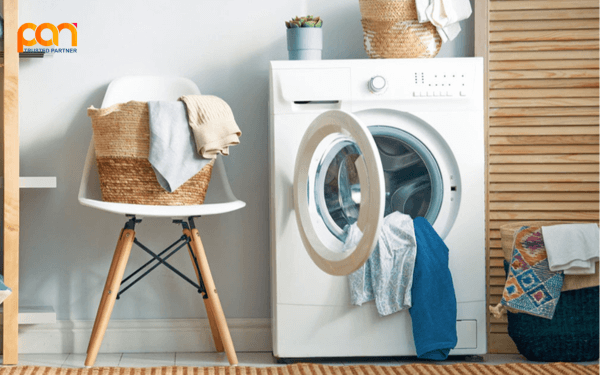
How Much Water Does an 8kg Washing Machine Use?
Actual water consumption depends on the washing machine design, selected program, laundry load, and operating conditions. According to the reference material, larger-capacity washing machines can process more laundry per cycle and may help optimize the cost per load.
- 5kg – 7kg washing machines: approximately 67 liters of water per cycle.
- 7.5kg – 9kg washing machines: approximately 93 liters of water per cycle. An 8kg washing machine falls within this capacity range.
- 9.5kg – 11kg washing machines: approximately 115 liters of water per cycle.
Based on the capacity ranges in the reference material, an 8kg washing machine uses approximately 93 liters of water per cycle. However, actual consumption can vary depending on the model, selected program, laundry load, and water-level settings.
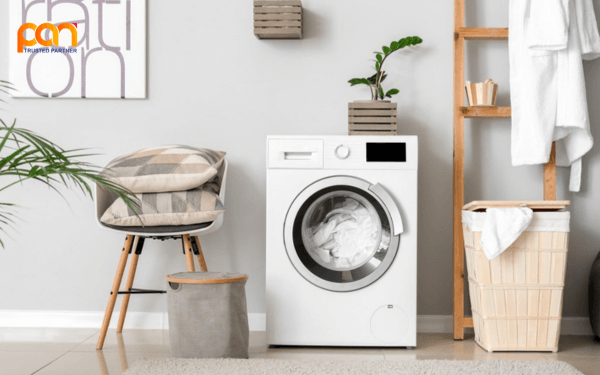
Criteria for Choosing a Water-Efficient Washing Machine
The drum design is one of the factors that can affect water consumption. Users should also consider the machine's ability to adjust washing programs, water levels, and operating settings according to different laundry requirements.
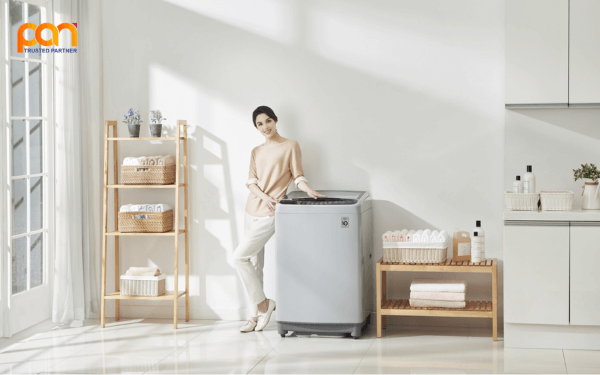
Top-Load Washing Machines
Top-load washing machines feature a vertically positioned drum and operate through drum movement combined with water circulation. This design can meet basic household laundry needs and is generally accessible in terms of initial investment.
However, according to the reference material, top-load machines generally require a larger amount of water to ensure effective cleaning throughout the washing cycle.
Front-Load Washing Machines
Front-load washing machines have a horizontally positioned drum. Laundry is lifted and dropped as the drum rotates, with the movement and natural friction between the laundry and drum helping to remove dirt.
Because the entire drum does not need to be filled with water, this design can use less water than some traditional washing machine designs. The reference material indicates that the water level can be around 40% of the drum height, helping reduce water consumption.
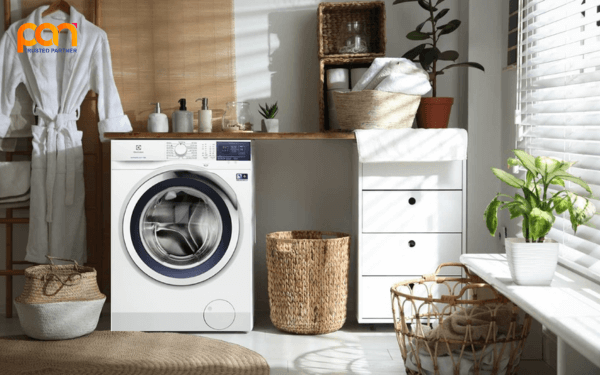
Inclined-Drum Washing Machines
Inclined-drum washing machines feature a tilted drum combined with multi-directional rotation to support the cleaning process. According to the reference material, this design can help reduce water consumption and improve water drainage during rinsing.
Choose a Washing Machine with Flexible Program Adjustment
The ability to adjust washing programs according to actual laundry requirements is another important factor when aiming to reduce water consumption. Users can select washing time, water level, and programs based on the laundry load and level of soiling.
For lightly soiled laundry, a shorter program or an appropriate water level can be selected instead of using a longer cycle with a higher water requirement. This helps users better control water consumption during washing.
Industrial Washing Machines Designed for Efficient Water Usage
In addition to household washing machines, industrial washing machines are designed to support efficient operation and better control of water and energy consumption in professional laundry environments.
Fagor LA-11 TP2 Industrial Washing Machine
- Manufacturer: Fagor – Spain
- Capacity: 11 kg
- Capacity range: 10 – 11 kg
- Dimensions: 692 x 1158 x 788 mm (W x H x D)
- Machine weight: 230 kg
- Model: LA-11 TP2
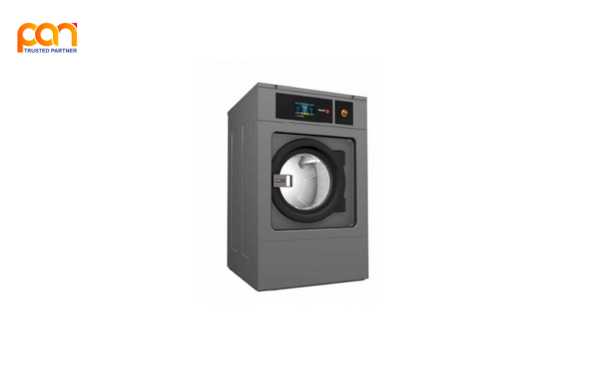
The Fagor LA-11 TP2 is an industrial washing machine designed for professional laundry environments. With an 11kg capacity per load, the model is suitable for facilities that require regular textile processing and efficient operation.
Fagor LR-18 TP2 Industrial Washing Machine
- Manufacturer: Fagor – Spain
- Capacity: 18 kg
- Capacity range: 18 – 20 kg
- Dimensions: 840 x 1010 x 1500 mm (W x H x D)
- Machine weight: 281 kg
- Model: LR-18 TP2
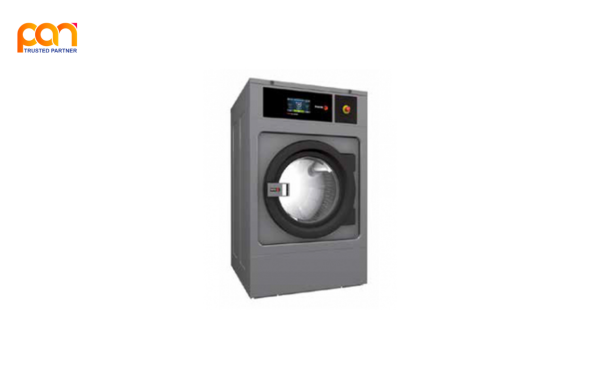
The Fagor LR-18 TP2 is designed for professional laundry environments and features operating-state storage to help continue the washing cycle after certain unexpected interruptions. Its design focuses on durability, operational efficiency, and optimized use of water and energy.
IPSO IY280 Industrial Washing Machine
- Manufacturer: Fagor – Spain
- Capacity: 28 kg
- Capacity range: 28 – 31 kg
- Dimensions: 1550 x 1025 x 1225 mm (W x H x D)
- Machine weight: 495 kg
- Model: IPSO IY280
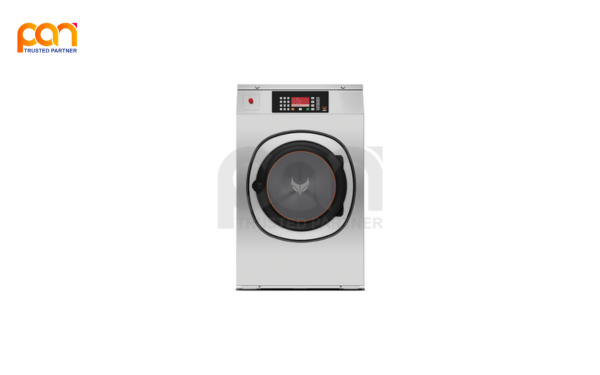
The IPSO IY280 is designed for efficient operation in professional laundry environments, with a focus on reducing water and energy consumption. Its robust construction makes it suitable for facilities that process textiles regularly, including hotels, hospitals, and commercial laundries.
Conclusion
For washing machines in the 7.5kg – 9kg capacity range, the reference material indicates an average water consumption of approximately 93 liters per cycle. Therefore, an 8kg washing machine may use around 93 liters of water per cycle, although actual consumption depends on the model, selected program, laundry load, and operating conditions.
When choosing a water-efficient washing machine, users should consider the drum design, program flexibility, water-level control, and actual laundry requirements. For professional laundry operations, selecting equipment with the appropriate capacity and efficient water and energy management is also important for overall operational performance.
Contact PAN for Consultation
If your business is looking for industrial washing machines or needs advice on a laundry system suitable for its operating capacity, contact PAN for consultation based on your actual requirements.
Contact PAN for consultation on industrial laundry equipment and solutions.
Contact Information
PAN TRADING JSC
📍 142 B2 Street, Sala Urban Area, An Khanh Ward, Ho Chi Minh City, Vietnam
📞 (+84) 28 3840 2222 - 0919 302 879
🌐 pantrading.vn | thietbigiatcongnghiep.com
📩 contact@pantrading.vn