Washing machines are familiar equipment in many households and commercial laundry facilities. After prolonged use, a washing machine may develop problems related to its water supply system, inlet components or internal mechanisms. One common issue is weak water flow entering the machine, which can extend washing times or prevent the selected program from operating properly.
The water inlet valve is one of the components that should be inspected when this problem occurs. This article explains how to check a washing machine water inlet valve when water flow is weak, while also identifying common causes and suitable corrective measures.
What Is a Washing Machine Water Inlet Valve?
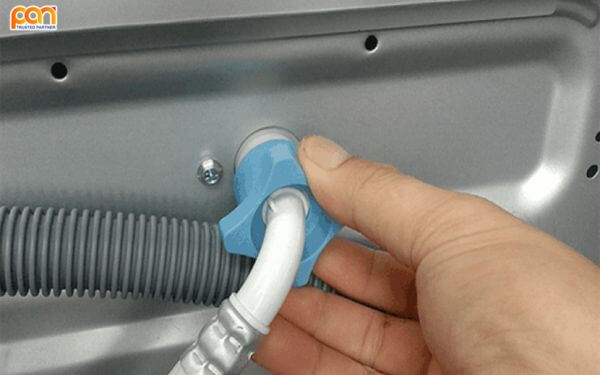
The washing machine water inlet valve, also known as a solenoid valve, controls the amount of water entering the machine during washing and rinsing. It operates under the control of the washing machine's control system, ensuring that water is supplied at the appropriate time and flow rate according to each program.
Water inlet valves come in different configurations depending on the design and structure of each washing machine. Common types include:
- One inlet and one outlet valve.
- Two inlet and one outlet valve.
- One inlet and two outlet valve.
Each type has its own structure and operating method to suit the water supply system of the washing machine.
Location of the Washing Machine Water Inlet Valve
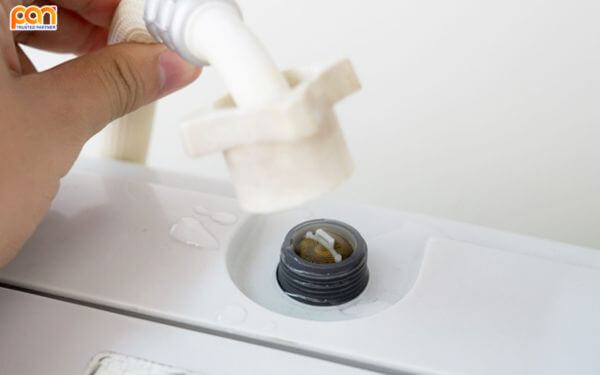
The water inlet valve is usually installed at the connection point between the external water supply line and the internal water distribution system of the washing machine. Its main function is to regulate the amount of water entering the machine according to the selected washing program.
The valve is generally located near the connection between the external water hose and the washing machine. Depending on the machine design, water may then be distributed to the detergent compartment, fabric softener compartment or directly into the drum.
Structure and Operating Principle of a Washing Machine Water Inlet Valve
Structure of a Washing Machine Water Inlet Valve
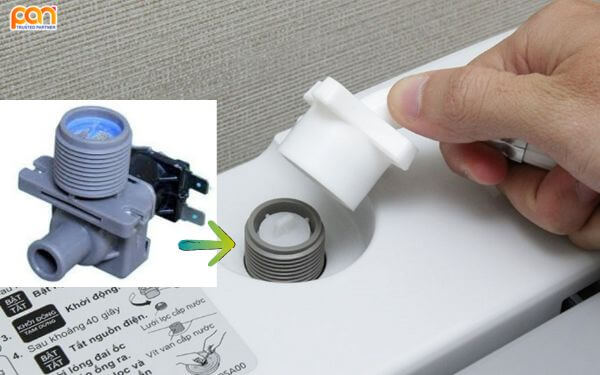
The water inlet valve is an important component of the washing machine water supply system. Its main components generally include:
Water Inlet and Outlet Passages
The water passages include inlet and outlet connections that allow water to enter and flow through the internal washing machine system.
Solenoid Core
The solenoid mechanism includes the valve core, return spring and electromagnetic coil. These components work together to control water flow. When the valve is energized, the valve core moves to open the passage; when power is removed, the spring returns the core to its closed position and stops the water supply.
Through the coordinated operation of these components, the water inlet valve can control water supply during different stages of the washing program.
Operating Principle of a Washing Machine Water Inlet Valve
When the washing machine starts a program and requires water, the control system sends an electrical signal to the electromagnetic coil inside the valve. The electrical current creates a magnetic field, causing the valve core to move and open the water passage.
Once the required water level is reached, the control system stops supplying power to the valve. The magnetic field disappears, and the spring returns the valve core to its original position, closing the water passage. This process is repeated during different stages of the washing cycle.
How to Check a Washing Machine Water Inlet Valve When Water Flow Is Weak
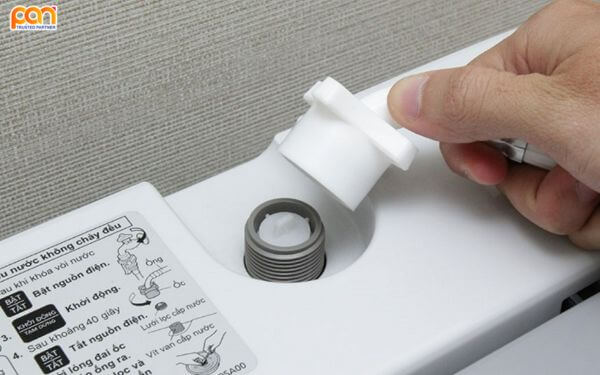
When a washing machine receives water slowly, the following components should be checked step by step:
Step 1: Check the Incoming Water Pressure
First, check the water supply pressure connected to the washing machine. If the pressure is too low, water may enter the machine slowly even when the inlet valve is functioning normally.
Check other faucets connected to the same water system to determine whether the water pressure is stable. If the entire water supply is weak, the water supply system should be addressed before investigating the inlet valve further.
Step 2: Inspect and Clean the Inlet Filter
The water inlet valve usually has a small filter at the connection point with the water supply hose. This filter prevents dirt, rust and other impurities from entering the valve.
After extended use, the filter may become clogged with deposits and restrict water flow. Follow the manufacturer's instructions to remove the filter, clean it with a soft brush and rinse it with clean water before reinstalling it.
Step 3: Check the Operation of the Water Inlet Valve
Next, check whether the water inlet valve opens fully during machine operation. The water hose and connection points should also be inspected to ensure that there are no leaks, deformation or blockages.
Where appropriate and safe, the water flow through the inlet line can be checked to determine whether water passes through the valve consistently. Do not remove electrical components while the washing machine is connected to a power source.
Step 4: Check the Electrical Supply to the Valve
In some cases, weak water flow is not caused by the valve itself but by an unstable electrical supply to the electromagnetic coil. As a result, the valve may not open fully or may not operate at the correct time.
Voltage testing should be performed using suitable measuring equipment and by a qualified person. If you are not experienced with electrical systems, contact a technician to avoid safety risks.
Step 5: Inspect the Water Supply Hose
The hose supplying water to the washing machine may become bent, twisted or clogged with deposits. These conditions reduce water flow into the inlet valve and cause slow filling.
Inspect the entire length of the hose and make sure it is not compressed, sharply bent or incorrectly positioned. If deposits are found inside, clean the hose or replace it when necessary.
Step 6: Inspect and Replace the Water Inlet Valve if Necessary
If the water supply, filter, hose and electrical system are functioning normally but water flow remains weak, the water inlet valve may be damaged or unable to operate at full capacity.
In this situation, contact an authorized service center or qualified repair provider for accurate inspection and replacement with a compatible valve. Using the correct valve according to the washing machine specifications helps ensure reliable operation and reduces the risk of recurring faults.
Regular inspection and maintenance can help identify water supply problems at an early stage. Users without experience in electrical or appliance repair should not disassemble internal components themselves.
How to Clean a Washing Machine Drain Valve
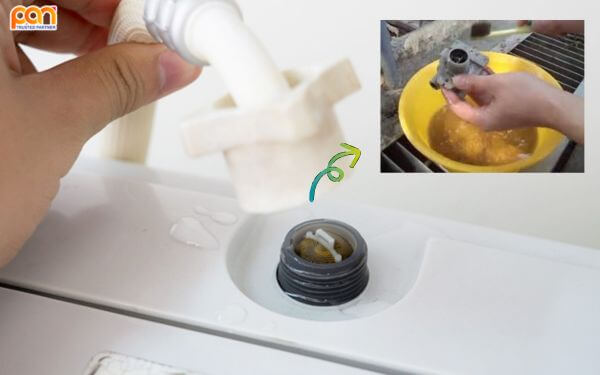
The drain valve should also be inspected and cleaned regularly to reduce the risk of blockages during washing machine operation. When the drain valve is clogged with deposits or foreign objects, water may drain slowly and affect the entire washing program.
Cleaning can generally be performed every two to three months, depending on usage frequency and water quality. Before cleaning, disconnect the power supply and shut off the water supply to ensure safety.
Remove filters or other serviceable components according to the manufacturer's instructions, then clean away deposits with clean water. Avoid using unsuitable chemicals, as they may damage the valve materials or sealing components.
Common Washing Machine Water Inlet Valve Problems and Solutions
- Water inlet valve does not supply water: The problem may be related to the electrical supply, wiring or electromagnetic coil inside the valve. Inspect the system and contact a technician if the valve does not operate.
- Water inlet valve continuously supplies water: Possible causes include a stuck valve core, damaged sealing components or an incomplete closing mechanism. The valve should be inspected and replaced when necessary.
- Weak water flow through the inlet valve: Possible causes include low water pressure, a clogged filter, a bent water hose or a valve that does not open completely.
- Water inlet valve cannot regulate water volume correctly: The problem may be related to the control system or sensors. This issue should be inspected by a qualified technician.
Conclusion
The water inlet valve plays an important role in ensuring that a washing machine receives the required amount of water during each operating program. When water flow is weak, users should inspect the water pressure, inlet filter, water hose, electrical supply and valve operation step by step.
Regular cleaning, inspection and maintenance help identify problems early while supporting stable machine performance and extending equipment service life. If the issue involves electrical components or a damaged inlet valve that cannot be safely repaired, contact a professional technical service provider for accurate and safe assistance.
Contact Information
PAN TRADING JSC
📞 Hotline: (+84) 28 3840 2222 | 0919 302 879
📍 Address: 142 B2 Street, Sala Urban Area, An Khanh Ward, Ho Chi Minh City, Vietnam
📧 Email: contact@pantrading.vn
🌐 Website: pantrading.vn | thietbigiatcongnghiep.com