Washing machines save time and effort in laundry operations. However, detergent residue, dirt, lint, and moisture can accumulate inside the drum, detergent dispenser, filters, and drainage system over time. Without regular cleaning, the machine may develop unpleasant odors, reduced washing performance, and operational problems.
Following a proper washing machine cleaning process helps maintain stable operation, reduce residue buildup, and preserve washing quality. Below is a practical guide to cleaning a washing machine at home, together with important safety and maintenance tips.
Why Should You Clean a Washing Machine Regularly?
Remove Residue and Reduce Odors
Detergent residue, dirt, and lint can accumulate inside the drum, dispenser, and filter. Moisture can also create conditions for mold and microorganisms to develop, resulting in unpleasant odors. Regular cleaning helps remove these contaminants and keeps the machine cleaner.
Maintain Operating Performance
A clean washing machine can operate more consistently and reduce the risk of blockages or reduced washing efficiency. For industrial washing machines, regular cleaning also supports stable performance during continuous operation.
Extend Equipment Lifespan
Removing residue and inspecting components regularly can help reduce wear, blockages, and potential damage. This is an important part of washing machine maintenance.
Maintain Washing Quality
Clean drums and components help reduce the transfer of residue or unpleasant odors back onto laundry. This supports consistent washing quality and helps protect fabrics during operation.
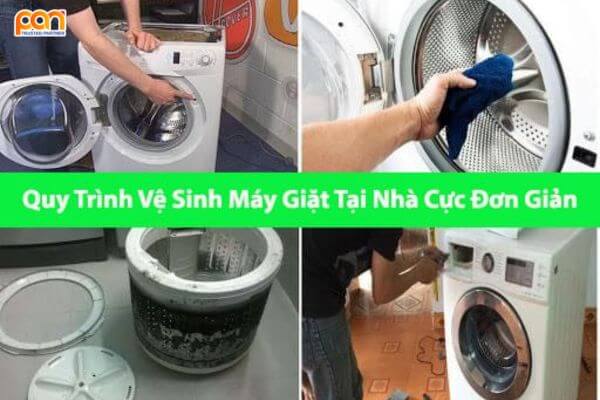
Common Methods for Cleaning a Washing Machine
Depending on the equipment condition and manufacturer recommendations, users can choose a suitable cleaning method.
Using White Vinegar and Baking Soda
White vinegar and baking soda are commonly used to support residue removal and odor reduction. They may be used in separate cleaning cycles, following suitable instructions and the machine manufacturer's recommendations.
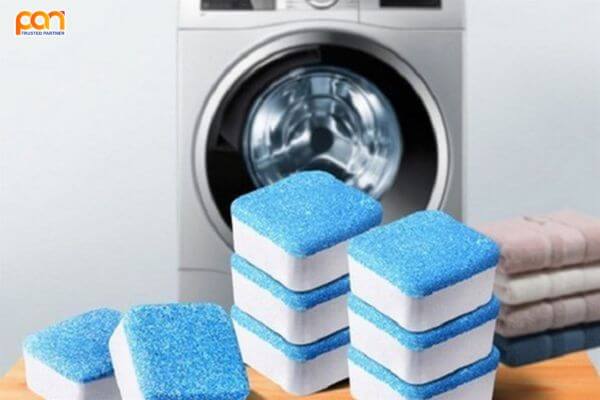
Using a Specialized Washing Machine Cleaner
Specialized washing machine cleaning products are formulated to help remove buildup inside the drum and other components. Always follow the manufacturer's instructions regarding dosage, water temperature, and cleaning programs.
Using Lemon and Baking Soda
Lemon and baking soda may be used as a household cleaning option. However, acidic ingredients and homemade cleaning mixtures should not be overused without checking their compatibility with the machine's materials and manufacturer's instructions.
Step-by-Step Washing Machine Cleaning Process at Home
Disconnect the power supply before cleaning and prepare the necessary tools. The basic cleaning process includes the following steps:
1. Prepare the Cleaning Tools
- Soft cloth or sponge.
- Small cleaning brush.
- Warm water.
- Mild dish soap or detergent.
- White vinegar, baking soda, or a suitable specialized washing machine cleaner.
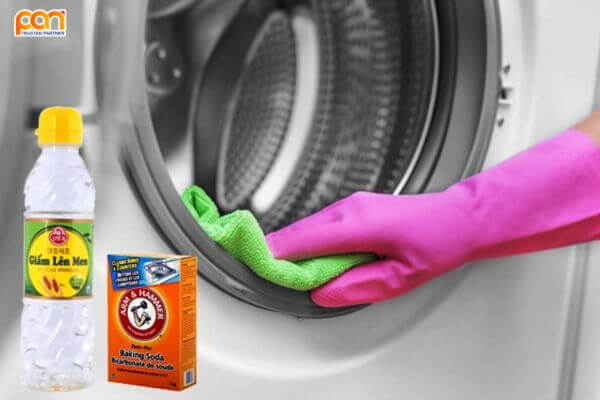
2. Clean the Washing Drum
Remove all clothing and items from the machine. Add a suitable cleaning solution to the drum or dispenser according to the manufacturer's instructions. Select the drum-cleaning program or an appropriate washing cycle to remove residue from inside the machine.
Do not use hot water or chemicals unless they are approved for the specific equipment. After the cleaning cycle is complete, an additional rinse may be performed if necessary.
3. Clean the Detergent and Fabric Softener Dispensers
Remove the dispensers if permitted by the machine design. Soak them in warm water with mild soap, then use a small brush to clean residue from corners and narrow spaces. Rinse with clean water and allow the parts to dry before reinstalling them.
4. Clean the Filter and Drainage System
Locate the filter according to the machine's instructions. Remove lint, residue, and trapped objects from the filter. Inspect the drain hose and drainage system for blockages or buildup.
For industrial washing machines, filters, drain pumps, and drainage systems should be inspected according to a technical maintenance schedule to minimize operational interruptions.
5. Clean the Exterior and Door
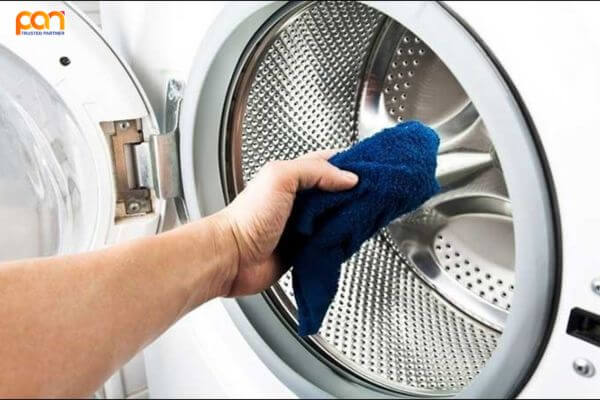
Use a soft damp cloth to clean the exterior, control panel, and door. For front-loading machines, pay special attention to the rubber door seal, where water, lint, and residue can easily accumulate.
After cleaning, wipe the surfaces dry and leave the door open for an appropriate period to allow moisture to escape.
How Often Should You Clean a Washing Machine?
The cleaning frequency depends on usage, the type of laundry, and operating conditions.
- Moderate household use: Clean the drum approximately once a month.
- Daily use or heavily soiled laundry: Inspect and clean the machine more frequently.
- Occasional use: Cleaning may be scheduled less often, but filters and dispensers should still be checked regularly.
- Industrial washing machines: Establish a cleaning and maintenance schedule based on capacity, operating hours, and manufacturer requirements.
Important Tips When Cleaning a Washing Machine
- Disconnect the power supply before cleaning internal components or areas near electrical parts.
- Use the correct type and amount of cleaning product according to the manufacturer's instructions.
- Do not mix different cleaning chemicals together.
- Avoid highly corrosive cleaning agents unless approved by the manufacturer.
- Do not use sharp objects or overly abrasive brushes on delicate components.
- Inspect the rubber door seal, dispensers, filters, and drain hoses carefully.
- Dry components after cleaning to reduce moisture, mold, and unpleasant odors.
- Leave the door open after use when installation conditions allow.
- Read the cleaning and maintenance instructions for the specific washing machine model.
- For industrial washing machines, professional technicians should perform deep cleaning and periodic inspection of critical components.
Conclusion
Regular washing machine cleaning is an important part of equipment operation and maintenance. Following the proper cleaning process helps reduce residue, odors, blockages, and other factors that may affect performance. For industrial washing machines, cleaning should be combined with scheduled technical maintenance to ensure stable and long-term operation.
Contact Information
PAN TRADING JSC
📞 Hotline: (+84) 28 3840 2222 | 0919 302 879
📍 Address: 142 B2 Street, Sala Urban Area, An Khanh Ward, Ho Chi Minh City, Vietnam
📧 Email: contact@pantrading.vn
🌐 Website: pantrading.vn | thietbigiatcongnghiep.com