Washing machines are essential equipment in many households, hotels, hospitals, restaurants and professional laundry facilities. Proper operation not only helps achieve effective cleaning results but also reduces equipment wear, operating costs and the risk of unexpected breakdowns.
Each washing machine has different operating requirements, washing programs and technical features. Users should therefore read the manufacturer's instructions carefully, select suitable programs and perform regular maintenance. The following guide explains how to use a washing machine properly and highlights important precautions during operation.
How to Use a Washing Machine Properly
To ensure stable operation and effective cleaning performance, users should follow these basic steps:
1. Prepare and Sort the Laundry
Before loading the machine, sort laundry by color, fabric type and soil level. White, light-colored and dark-colored garments should be separated to reduce the risk of color transfer. Fabrics such as cotton, wool, silk and delicate materials require suitable washing programs.
Check all pockets and remove keys, coins, documents or hard objects. These items may become trapped, scratch the drum or damage internal machine components.
2. Select the Appropriate Washing Program
Choose a washing program based on the fabric type, laundry load and soil level. Common programs include normal wash, quick wash, delicate wash and wool wash.
For industrial washing machines, programs should be selected according to the laundry process of each facility. Water temperature, washing time, spin speed and chemical dosage should be adjusted based on technical requirements and fabric-care instructions.
3. Use the Correct Detergent and Fabric Softener
Use detergents suitable for the machine type and follow the recommended dosage. Excessive detergent may cause residue buildup in the drum, pipes or detergent dispenser, while insufficient detergent may reduce cleaning effectiveness.
For industrial laundry equipment, detergents and chemicals should be selected according to fabric type, soil level and the required washing process. Accurate dosing helps control chemical consumption, protect equipment and maintain consistent laundry quality.
4. Check the Door and Start the Machine
After loading the laundry and detergent, make sure the door is properly closed before starting the machine. Check that the power supply, water supply and drainage system meet the machine's operating requirements.
During operation, pay attention to unusual signs such as excessive noise, strong vibration, water leakage, burning smells or sudden stops. If a problem occurs, stop the machine and follow the appropriate safety procedures before continuing operation.
5. Remove Laundry After the Cycle Is Complete
Once the washing cycle is complete, remove the laundry within a reasonable time to reduce wrinkles, trapped moisture and unpleasant odors. Clothes should then be dried, tumble-dried or processed according to the care requirements of each fabric.
In professional laundry facilities, washed items should be transferred to the appropriate area for sorting, drying, finishing or packaging according to the company's operating procedures.
6. Clean and Maintain the Machine Regularly
Clean the drum, detergent dispenser, filters and water-contact areas regularly to reduce residue, odors and blockages. Some machines include a self-cleaning program that can be used according to the manufacturer's instructions.
For industrial washing machines, establish a maintenance schedule based on operating frequency. Components such as water inlet valves, drain pumps, drive belts, bearings, door seals, sensors and control systems should be inspected periodically.
Important Precautions When Using a Washing Machine
In addition to following the correct operating procedure, users should pay attention to load capacity, electrical supply, water supply and installation conditions. The following precautions help reduce equipment problems and maintain stable performance.
- Avoid overloading the machine: Every washing machine has a maximum load capacity. Overloading may reduce cleaning effectiveness, increase vibration and place excessive stress on the motor, drive system or drum.
- Avoid operating below the intended load capacity for extended periods: For some industrial washing machines, operating outside the designed load range may reduce energy efficiency and processing productivity.
- Sort laundry before washing: Separate white, colored, delicate and specialty fabrics to reduce the risk of material damage.
- Check clothing pockets: Remove hard, sharp or small objects before loading the machine.
- Use the correct chemicals: Select detergents, fabric softeners and specialized chemicals that match the equipment, fabric type and washing process.
- Avoid unnecessarily high water temperatures: Water temperature should match the fabric type and operating instructions. Excessive heat may cause shrinkage, deformation or fabric damage.
- Install the machine in a suitable location: The machine should be installed on a stable, level and dry surface with sufficient ventilation and service access.
- Inspect water supply and drainage systems: Ensure hoses are not bent, leaking or blocked. Water pressure and drainage capacity should meet the machine's technical requirements.
- Check the electrical system: Power cables, plugs, circuit breakers and grounding systems should be inspected regularly. Do not operate the machine if electrical leakage or damage is suspected.
- Do not open the door while the machine is running: Open the door only after the cycle has ended and the locking mechanism has released according to the machine's design.
- Do not attempt repairs without technical expertise: For problems involving motors, inverters, control boards, sensors or electrical systems, disconnect the power supply and contact qualified technicians.
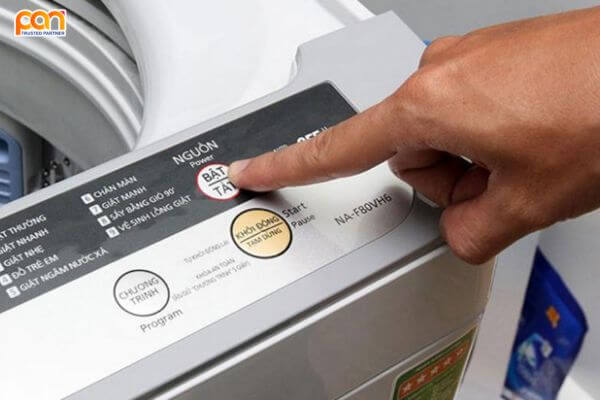
- Turn off the machine when not in use: After completing operations, shut down the machine according to the proper procedure. Power disconnection should follow the safety and operating requirements of the equipment.

Why Is Proper Washing Machine Operation Important?
Proper machine operation helps maintain stable performance, reduce unnecessary consumption and minimize the risk of breakdowns. For professional laundry facilities, following standardized procedures also helps maintain laundry quality, protect operators and improve equipment productivity.
In addition to operating procedures, businesses should provide staff training, establish maintenance schedules and record machine operating conditions. These practices help identify early warning signs and address potential problems before they affect business operations.
Conclusion
Using a washing machine properly not only improves cleaning results but also protects the equipment, reduces the risk of damage and extends its service life. Users should pay attention to laundry sorting, program selection, chemical dosage, load capacity and regular maintenance.
For businesses, hotels, hospitals, restaurants and professional laundry facilities, selecting suitable industrial washing equipment and following proper operating procedures are important factors in maintaining productivity, quality and safety throughout the laundry process.
Contact Information
PAN TRADING JSC
📞 Hotline: (+84) 28 3840 2222 | 0919 302 879
📍 Address: 142 B2 Street, Sala Urban Area, An Khanh Ward, Ho Chi Minh City, Vietnam
📧 Email: contact@pantrading.vn
🌐 Website: pantrading.vn | thietbigiatcongnghiep.com