Washing machines save time and effort in everyday laundry. However, many users experience clothes becoming twisted, tangled, or tightly wrapped together after washing. Besides making laundry difficult to remove from the machine, this problem can cause excessive wrinkles, stretching, and damage to fabric fibers.
What causes clothes to become twisted during washing? How can this problem be reduced? Let’s explore the main causes and practical solutions below.

What Does It Mean When Clothes Get Twisted in a Washing Machine?
Clothes getting twisted in a washing machine refers to laundry items becoming wrapped, tangled, or tightly wound together during the washing or spinning cycle. This often happens when clothes do not have enough room to move freely, are unevenly distributed inside the drum, or are washed using an unsuitable program.
If the problem occurs frequently, clothes may become more wrinkled, stretched, misshapen, or weakened over time.
Common Reasons Why Clothes Get Twisted During Washing
The following are some of the most common causes of twisted and tangled clothes during washing and spinning.
1. Overloading the Washing Machine
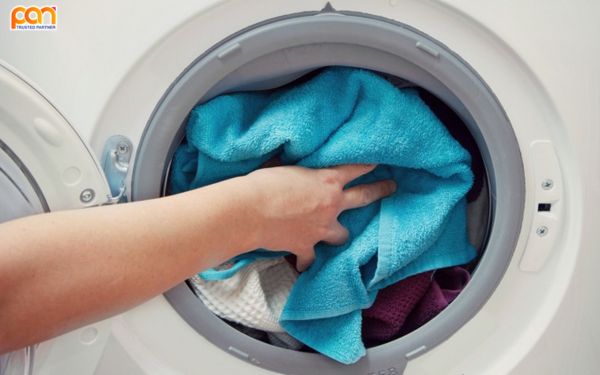
Overloading is one of the most common reasons clothes become twisted. When too many items are placed in the machine at once, there is not enough space for them to move freely, increasing the likelihood of tangling.
Overloading can also reduce washing performance, place additional strain on the motor, and make it more difficult for the machine to maintain balance during spinning.
2. Selecting the Wrong Washing Program
Different fabrics require different washing programs based on their characteristics and durability. Selecting an unsuitable program may expose clothes to excessive mechanical action, resulting in tangling or fabric damage.
For example:
- Bed sheets, blankets, towels, and other bulky items should be washed using a program designed for bedding or large loads.
- Regular clothing can be washed using standard, quick, or gentle cycles depending on the fabric.
- Delicate or easily deformed garments should be washed using a gentle program with a lower spin speed.
3. Using an Unsuitable Spin Speed
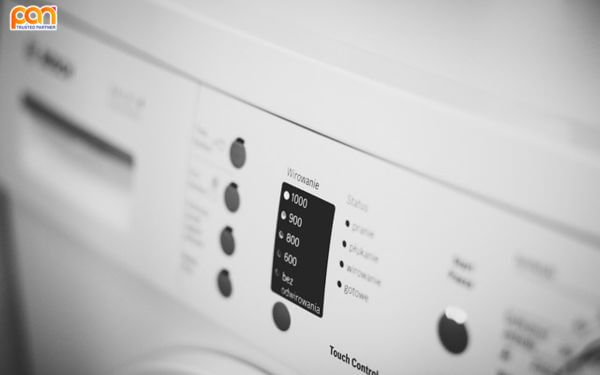
An excessively high spin speed can cause clothes to become tightly wrapped together, especially delicate, lightweight, or easily deformed fabrics. An unsuitable spin speed may also stretch garments, create wrinkles, or affect the structure of fabric fibers.
Users should refer to the washing machine manufacturer's instructions and garment care labels when selecting the appropriate spin speed. The same spin setting should not be used for every type of fabric.
4. Uneven Distribution of Clothes in the Drum
When clothes gather on one side of the drum, the washing machine may struggle to maintain balance. During rotation, garments can become tangled together, causing twisting and excessive vibration.
This problem is common when washing a small amount of heavy laundry or placing large items into the machine without distributing them evenly.
5. Using an Inappropriate Water Level
If the water level is too low for the amount of laundry, clothes may not be able to move freely inside the drum. This increases the likelihood of garments wrapping and twisting together.
Washing a large load with insufficient water can also reduce cleaning performance and make tangling more likely.
6. Problems with the Washing Drum or Agitator

Over time, the washing drum may accumulate dirt, lint, or small objects left inside clothing pockets. These factors can interfere with the normal movement of laundry.
In addition, damaged drums, agitators, or related components may cause unstable operation and increase the risk of clothes becoming twisted during washing.
How to Prevent Clothes from Getting Twisted in the Washing Machine
Reducing twisted clothes requires a combination of proper machine operation and appropriate laundry handling practices.
1. Adjust the Load Size
Avoid overloading the washing machine. Follow the manufacturer's recommended maximum load capacity and leave enough space for clothes to move freely inside the drum.
For bulky items such as blankets, bed sheets, or thick towels, consider washing them separately or using equipment with a suitable capacity.
2. Select the Right Washing Program for Each Fabric
Before starting the machine, sort laundry according to fabric type, size, and soil level. Choosing the correct washing program helps reduce unnecessary mechanical action and minimizes tangling.
Always check the washing machine instructions and garment care labels to select an appropriate washing time, water temperature, and spin speed.
3. Use Laundry Bags for Delicate or Easily Tangled Items
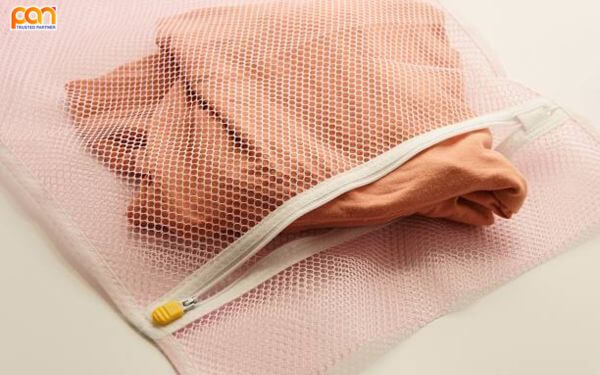
Laundry bags help reduce the chance of garments becoming tangled during washing, particularly delicate clothing, underwear, socks, and items with small details that can easily catch onto other fabrics.
Choose a laundry bag with a suitable size, avoid overfilling it, and close it securely before placing it in the washing machine.
4. Sort Clothes Before Washing

Sorting clothes by color, fabric type, and size helps ensure that each load is washed using a suitable program. Separating items with zippers, straps, or other details that can catch onto fabrics also helps reduce tangling.
5. Check Pockets Before Washing
Before placing clothes into the machine, check all pockets and remove small objects such as keys, coins, paper, or other items.
These objects can clog filters, create unusual noises, or interfere with drum movement. Paper scraps can also stick to clothing and create additional cleaning work after the washing cycle.
6. Clean and Inspect the Washing Machine Regularly
Regularly cleaning the drum, filters, and related components helps maintain stable machine operation. If the machine vibrates excessively, produces unusual noises, or continues twisting clothes despite proper loading and program selection, its technical condition should be inspected.
For industrial washing machines, regular maintenance is particularly important because the equipment often operates at high frequency and handles large volumes of laundry.
Conclusion
Clothes becoming twisted in a washing machine can result from several causes, including overloading, selecting the wrong program, using an unsuitable spin speed, uneven load distribution, insufficient water, or technical problems with the machine.
To reduce this issue, users should adjust the load size, sort laundry properly, select suitable washing programs, use laundry bags when necessary, and clean the machine regularly. For laundries, hotels, hospitals, and businesses using industrial washing machines, selecting equipment that matches the fabric types and operational requirements can also improve laundry efficiency and help protect fabric quality.
Contact Information
PAN TRADING JSC
📞 Hotline: (+84) 28 3840 2222 | 0919 302 879
📍 Address: 142 B2 Street, Sala Urban Area, An Khanh Ward, Ho Chi Minh City, Vietnam
📧 Email: contact@pantrading.vn
🌐 Website: pantrading.vn | thietbigiatcongnghiep.com