Washing machines are essential equipment in many households, laundries, and commercial facilities. However, improper use, especially loading too many clothes or heavy items into the drum, can cause the machine to become overloaded.
An overloaded washing machine not only reduces cleaning performance but also places additional stress on the motor, transmission system, and internal components. If the problem continues, it may lead to equipment damage, higher energy and water consumption, and reduced service life.
So, what are the signs of an overloaded washing machine? What causes this condition, and how can it be prevented? Let us explore the key information below.
Signs of an Overloaded Washing Machine
An overloaded washing machine often shows several noticeable symptoms during operation. Recognizing these signs early allows users to adjust the load and reduce the risk of equipment damage.
Excessive Noise and Strong Vibration
One of the most common signs of an overloaded washing machine is excessive noise, rattling, or strong vibration, especially during the spin cycle.
When the drum contains more laundry than it is designed to handle, the machine must operate under greater load conditions. If the laundry is unevenly distributed, imbalance can become more severe, causing abnormal noise and vibration.
Clothes Are Not Properly Cleaned
When too many clothes are loaded into the drum, water and detergent cannot circulate evenly through the entire load. Clothes may remain dirty, retain unpleasant odors, or have detergent residue after the cycle is completed.
This indicates that the machine does not have enough space to tumble the laundry effectively and complete the washing process properly.
Unusually Long Washing Cycles
An overloaded washing machine may take longer than usual to complete a cycle. The drum may need additional time to adjust its speed or rebalance the load before moving to the next stage.
Some machines may automatically extend the cycle to reduce vibration and protect internal components.
Unexpected Shutdowns
Some washing machines are equipped with load sensors, imbalance sensors, and motor protection systems. When excessive load conditions are detected, the machine may stop automatically to reduce the risk of damage.
If this happens repeatedly after loading a large amount of laundry, check the load size and how the clothes are distributed inside the drum.
Failure to Start or Error Messages
In severe cases, an overloaded washing machine may fail to start or display an error code related to excessive load, imbalance, or motor operation.
This warning should not be ignored. Avoid forcing the machine to continue operating before reducing the load or checking the cause.
Uneven or Restricted Drum Rotation
Excessive laundry can make it difficult for the drum to rotate evenly. Clothes may gather on one side, increasing resistance on the motor and transmission system.
If the drum cannot rotate or rotates unusually slowly, check the load size before inspecting other technical components.
Incomplete Water Drainage or Overflow
In some cases, an overloaded machine may experience delayed or unstable draining. However, water overflow can also be caused by blocked drain hoses, pump problems, or excessive detergent use.
Therefore, both the laundry load and the water inlet and drainage systems should be checked to identify the actual cause.
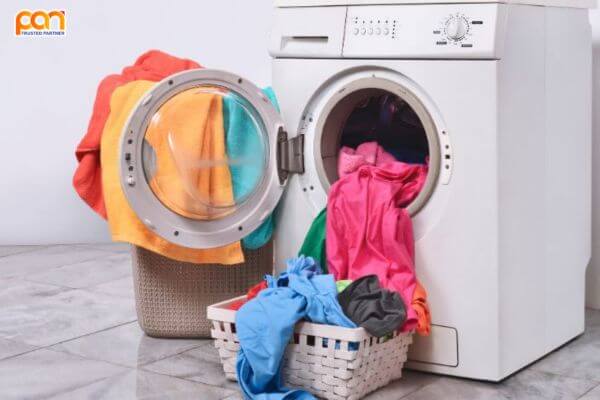
Causes of Washing Machine Overloading
Overloading does not always result from simply adding too many clothes. Several other factors related to usage and maintenance can also increase the operating load on the machine.
Loading Too Many Clothes at Once
This is the most common cause. Every washing machine has a maximum recommended load capacity specified by the manufacturer. When this limit is exceeded, there is not enough space for clothes to tumble and come into proper contact with water.
Users should not attempt to fill every available space in the drum, as the actual load also depends on fabric type and water absorption.
Washing Heavy Items Together
Towels, jeans, blankets, thick jackets, and highly absorbent fabrics can create a significantly heavier load than ordinary clothing.
Combining too many heavy items in one cycle can substantially increase the drum weight during water intake, making the machine more susceptible to imbalance and overloading.
Uneven Distribution of Laundry
A washing machine does not always become overloaded because the maximum weight limit has been exceeded. Laundry gathered on one side of the drum can also create imbalance and place additional stress on the motor.
This commonly occurs when washing a large item together with smaller garments or when clothes become tightly tangled inside the drum.
Using an Unsuitable Washing Program
Each washing program is designed for specific fabric types and load conditions. Selecting a program that does not match the fabric, weight, or size of the laundry may reduce operating efficiency.
Large items such as blankets should be washed using a program suitable for the machine's capacity and the characteristics of the load.
Lack of Regular Maintenance
A washing machine that is not maintained regularly may experience wear in the motor, belts, bearings, drain pump, or control components. When these parts no longer operate efficiently, the machine's ability to handle its intended load may also be affected.
Regular inspection and maintenance help identify potential problems early and reduce unexpected operating failures.
Objects Left Inside Clothing Pockets
Keys, coins, mobile phones, and other objects left inside pockets can cause impact damage, block the drain pump, or affect internal components.
Before every washing cycle, users should check all pockets and remove unnecessary items.
Old Washing Machines or Worn Components
Machines that have been used for many years may experience wear in motors, belts, bearings, shock absorbers, or sensor systems. As a result, the equipment may operate unstably even when the laundry load remains within the recommended limit.
For industrial washing machines, regular inspection and timely replacement of worn components are essential for maintaining stable operating performance.
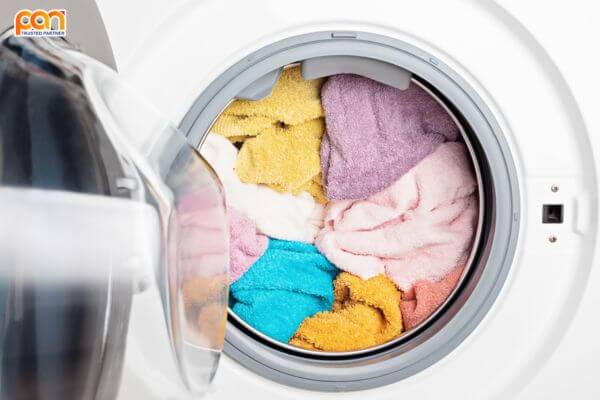
Consequences of an Overloaded Washing Machine
Regularly operating a washing machine under overloaded conditions can directly affect cleaning performance, operating costs, and equipment service life.
- Damage to internal components: Motors, belts, bearings, shock absorbers, and transmission components may experience stress beyond their intended operating conditions.
- Reduced equipment service life: Continuous operation under excessive load accelerates component wear and increases the likelihood of breakdowns.
- Higher electricity and water consumption: Extended cycles or repeated washing may increase energy and water usage.
- Damage to clothing: Clothes may become wrinkled, worn, torn, or unevenly cleaned because there is insufficient space for proper tumbling.
- Reduced washing efficiency: Water and detergent cannot circulate evenly through the entire load, resulting in unsatisfactory cleaning performance.
- Control system issues: The machine may display error codes, stop unexpectedly, or experience repeated imbalance during operation.
- Potential safety risks: Prolonged strong vibration may affect the machine's installation position and surrounding equipment.
How to Fix an Overloaded Washing Machine
When signs of overloading appear, users should stop the cycle if necessary and perform the following checks.
Reduce the Laundry Load
Remove some clothes from the drum and divide the laundry into smaller loads. Do not continue operating the machine when the drum is excessively full or the motor produces abnormal noise.
Sort and Distribute Laundry Properly
Heavy items should be washed in suitable groups rather than combining too many blankets, towels, or thick garments in one cycle.
At the same time, distribute the laundry evenly inside the drum to reduce imbalance during spinning.
Select the Appropriate Washing Program
Choose a washing program based on fabric type, item size, and actual load weight. For industrial washing equipment, follow the manufacturer's recommended load capacity and operating instructions.
Inspect Related Components
If the machine continues to vibrate, fail to rotate, or display error codes after reducing the load, inspect components such as the motor, belts, bearings, shock absorbers, drain pump, and sensors.
Do not attempt to disassemble electrical or mechanical components without appropriate technical expertise.
Perform Regular Maintenance
Cleaning the drum, checking the water inlet and drainage systems, cleaning filters, and inspecting worn components regularly can help maintain stable machine performance.
For industrial laundry systems, businesses should establish a maintenance schedule based on operating frequency and actual laundry volume.
Check Clothing Pockets Before Washing
Remove keys, coins, mobile phones, and other objects before loading clothes into the machine. This simple step helps reduce the risk of blockages, impact damage, and equipment failure.
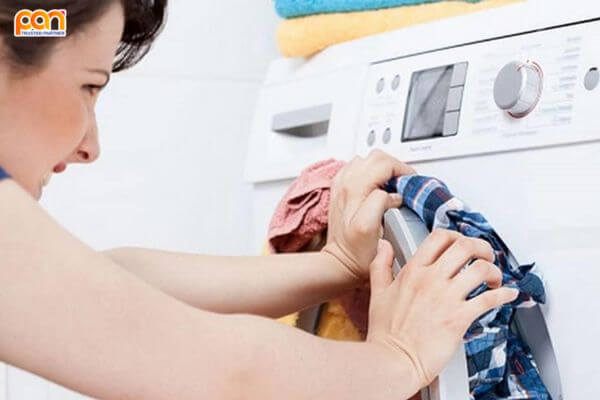
Tips to Prevent Washing Machine Overloading
- Follow the maximum recommended load capacity specified by the manufacturer.
- Do not overfill the drum simply to avoid running another washing cycle.
- Separate blankets, towels, and heavy fabrics when necessary.
- Distribute laundry evenly inside the drum before starting the machine.
- Select the appropriate washing program for each fabric type and load size.
- Check clothing pockets and remove unnecessary objects before washing.
- Stop using the machine if unusual noise, excessive vibration, or repeated error messages occur.
- Clean and maintain the washing machine according to a regular schedule.
- For industrial washing machines, monitor actual load conditions and follow the manufacturer's operating procedures.
Conclusion
The signs of an overloaded washing machine include excessive noise, strong vibration, poor cleaning performance, extended washing cycles, unexpected shutdowns, and error messages. Common causes include excessive laundry loads, heavy fabrics, uneven distribution, unsuitable washing programs, and worn equipment components.
Using the correct load capacity, selecting suitable washing programs, and performing regular maintenance will help washing machines operate more efficiently, reduce operating costs, and extend equipment service life. For industrial laundry systems, proper load management and preventive maintenance are particularly important for maintaining long-term operational performance.
Contact Information
PAN TRADING JSC
📞 Hotline: (+84) 28 3840 2222 | 0919 302 879
📧 Email: contact@pantrading.vn
🌐 Website: pantrading.vn | thietbigiatcongnghiep.com