Washing machines have become an essential part of modern life, helping save time and effort in everyday laundry. However, many people still worry that washing clothes together or sharing the same washing machine could spread bacteria, viruses or infectious diseases. So, can sharing a washing machine actually cause disease transmission?
In general, the risk of infection from sharing a washing machine is very low when laundry is processed properly, suitable detergents are used and the machine is cleaned regularly. However, certain types of clothing and special circumstances may require separate handling.
Can Sharing a Washing Machine Spread Disease?
The risk of disease transmission through washing clothes together in a washing machine is generally low. Water, detergents, agitation and rinsing help remove most dirt, bacteria and microorganisms from fabrics.
However, cleaning effectiveness depends on factors such as washing temperature, detergent type, cycle duration and machine hygiene. If a washing machine contains accumulated dirt, standing water or detergent residue, its cleaning performance may be reduced.
What Diseases May Raise Concerns When Sharing Laundry?
Not every disease can be transmitted through clothing or a washing machine. Some common concerns involve fungal infections, bacteria and other microorganisms. However, the actual risk depends on the nature of each disease and how the laundry is handled.
Skin Fungal Infections
Fungi can thrive in damp environments and may remain on personal items, especially when clothing is not washed and dried properly. Common symptoms may include itching, redness, irritation or peeling skin.
To reduce potential risks, clothing used by someone with a fungal infection should be handled according to appropriate hygiene guidance, washed with suitable detergent and dried completely. Damp clothing should not be left inside the washing machine for extended periods.

Bacterial Contamination from Dirty Clothing
Dirty clothing may contain bacteria from sweat, bodily fluids, food or working environments. If clothing is washed using an unsuitable cycle or the machine is not cleaned regularly, residue may accumulate inside the drum and related components.
Choosing an appropriate washing temperature, using professional laundry chemicals and following a regular machine-cleaning schedule can improve cleaning performance.
Sexually Transmitted Infections
Sexually transmitted infections are primarily spread through direct person-to-person contact, particularly through sexual contact or specific exposure to bodily fluids. Sharing a washing machine or washing clothes together is not generally considered a typical route of transmission for these infections.
For good hygiene, clothing should still be washed and dried properly. Personal items such as underwear, towels and other items that come into direct contact with the body should not be shared before proper cleaning.
Can Sharing Underwear Spread Disease?
Underwear comes into direct contact with the skin and sensitive areas of the body, so it requires careful hygiene handling. Under normal washing conditions, washing underwear together in a machine does not automatically mean that disease will spread. However, separate washing may be considered when clothing contains bodily fluids, heavy contamination or requires special handling.
For better hygiene, use a washing cycle suitable for the fabric, avoid leaving underwear damp inside the machine and ensure that all items are completely dried before use.

Can Washing Clothes Together Spread Genital Warts?
The likelihood of contracting genital warts from sharing a washing machine or washing clothes together is extremely low. HPV, the virus that causes genital warts, is primarily transmitted through direct contact with infected skin or mucous membranes, rather than through ordinary use of a shared washing machine.
There is generally no need to worry about contracting genital warts simply because clothes are washed together. However, it is still advisable not to share underwear, personal towels or other items that come into direct contact with the body.
If someone has an infectious condition or clothing has been contaminated with bodily fluids, appropriate cleaning and handling guidance should be obtained from a healthcare professional.
Safe Laundry Practices
To reduce the presence of bacteria, mold and other microorganisms, users should follow an appropriate laundry process rather than relying solely on washing all clothing separately.
Use an Appropriate Washing Temperature
Higher water temperatures can help remove certain microorganisms from fabrics. However, not every fabric is suitable for hot water. Always check garment care labels and follow the manufacturer's recommendations before selecting a washing temperature.
For industrial washing machines, temperature, cycle duration and washing programs should be selected according to fabric type, soil level and the hygiene requirements of each laundry category.
Choose Suitable Laundry Chemicals
Laundry chemicals help remove dirt, grease, sweat and other residues from fabrics. Using the correct chemical and dosage improves cleaning performance, reduces residue and helps protect fabric quality.
Do not mix different chemicals without proper guidance. For industrial laundry systems, chemicals should be used according to technical procedures and supplier instructions.
Clean the Washing Machine Regularly
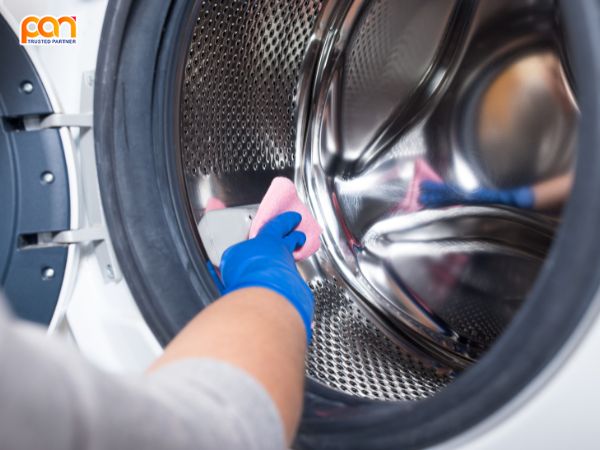
The washing drum, door seal, pipes and other water-contact components can accumulate residue if they are not cleaned regularly. This may reduce cleaning effectiveness and cause unpleasant odors.
Follow a regular cleaning schedule, check the drainage system and clean areas where water may accumulate. After each cycle, leave the door or lid open when appropriate so the interior can dry and remain ventilated.
Sort Laundry Before Washing
Sorting laundry helps ensure that the appropriate washing program is selected and can reduce cross-contamination risks in special circumstances. Consider washing the following separately:
- Clothing heavily contaminated with mud, grease or other substances.
- Clothing contaminated with bodily fluids.
- Underwear, personal towels or items requiring separate handling.
- Garments made from fabrics that require special washing programs.
For factories, hotels, hospitals and commercial laundry facilities, sorting laundry before loading the machine is an important step in maintaining cleaning quality and process control.
Advice for Using a Shared Washing Machine
Sharing a washing machine does not necessarily need to be a cause for concern when the equipment is operated correctly. Users should follow basic hygiene principles, including sorting laundry when necessary, selecting suitable washing programs, using chemicals according to instructions and cleaning the machine regularly.
For industrial washing machines, establishing standardized laundry procedures also helps control output quality, reduce residual contamination and improve equipment performance.
Conclusion
So, can sharing a washing machine spread disease? Under normal laundry conditions, the risk of disease transmission through a shared washing machine is very low. Most disease-causing microorganisms are not easily transmitted from one person to another simply through a properly completed washing cycle.
For better hygiene, users should sort laundry when necessary, choose suitable washing programs and chemicals, dry clothing completely and clean the washing machine regularly. For facilities using industrial washing machines, a professional laundry process can improve cleaning performance and better meet hygiene requirements.
PAN TRADING JOINT STOCK COMPANY
📞 Hotline: (+84) 28 3840 2222 | 0919 302 879
📧 Email: contact@pantrading.vn
🌐 Website: pantrading.vn | thietbigiatcongnghiep.com