A washing machine that will not spin is a common problem that can interrupt the washing process and affect household activities or business operations. This issue may occur in top-load washing machines, front-load washing machines, and industrial laundry equipment.
The causes may be related to usage habits, laundry load, power supply, water supply, or internal drive components. Identifying the correct cause helps ensure effective troubleshooting and reduces the risk of more serious equipment damage.
1. Signs That Your Washing Machine Is Not Spinning
Before checking and troubleshooting the equipment, identify its specific symptoms. Common signs include:
- The washing machine does not start or respond when the start button is pressed.
- The drum does not rotate even though the machine has power and is running a programme.
- The drum spins slowly, unevenly, or only moves briefly before stopping.
- The machine makes clicking, squeaking, or other unusual noises when attempting to operate.
- The machine stops unexpectedly during the washing cycle and cannot continue washing or spinning.
2. Causes and Solutions for a Washing Machine That Will Not Spin
The following are common causes that may prevent a washing machine from spinning and the corresponding troubleshooting methods.
2.1. The Laundry Load Is Too Heavy
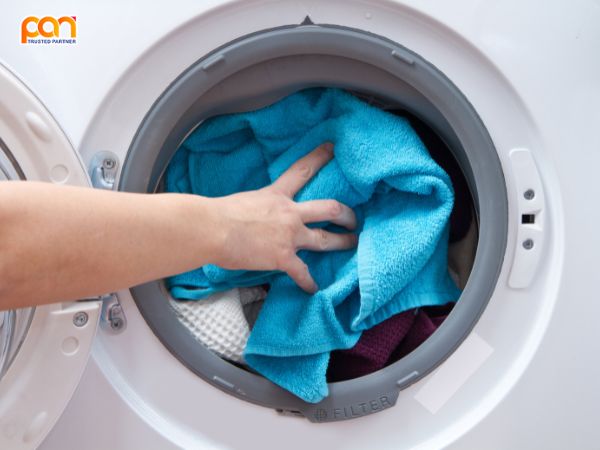
Loading too many clothes, blankets, or towels can place excessive weight on the drum. As a result, the machine may fail to spin, rotate slowly, or stop to protect the motor and drive components.
How to fix it:
- Reduce the amount of laundry and divide it into several suitable loads.
- Distribute laundry evenly inside the drum, especially when washing heavy items.
- Follow the maximum load capacity specified by the manufacturer.
2.2. The Washing Machine Is Not Receiving Power
If the washing machine does not spin and shows no other signs of operation, the problem may be related to the power supply. A loose plug, damaged outlet, faulty power cord, or unstable voltage can prevent the machine from starting.
How to fix it:
- Check the power plug, outlet, and power cord.
- Test the outlet with another device to determine whether the power source is functioning normally.
- Check the circuit breaker or electrical protection devices in the operating area.
- Do not disassemble the electrical system without appropriate technical expertise.
2.3. Insufficient or Interrupted Water Supply
Some washing machines begin rotating only after completing the water-filling stage of the selected programme. If the water valve is closed, water pressure is too low, the inlet hose is kinked, or the inlet filter is clogged, the machine may not proceed to the washing stage.
How to fix it:
- Check the water inlet valve and make sure it is fully open.
- Check whether the incoming water pressure meets the equipment requirements.
- Inspect the inlet hose for kinks or compression.
- Clean the inlet filter if dirt or sediment is restricting water flow.
2.4. The Door or Lid Is Not Properly Closed
Washing machines are equipped with safety mechanisms that prevent the drum from operating when the door or lid is not properly closed. If the door is unlocked, the door switch is faulty, or the door sensor cannot detect a closed position, the machine may not spin.
How to fix it:
- Check and close the door or lid securely before starting the machine.
- Make sure no clothing is trapped in the door seal or obstructing the locking mechanism.
- If the door is closed but the machine still displays an error, contact a technician to inspect the door lock or switch.
2.5. An Unbalanced Drum or Uneven Installation
An unbalanced drum may result from placing the machine on an uneven floor or allowing laundry to gather on one side. When excessive vibration is detected, some machines automatically stop or limit the spin speed to protect the equipment.
How to fix it:
- Check the installation position and adjust the machine feet so the equipment stands firmly on a level surface.
- Redistribute the laundry inside the drum and avoid concentrating heavy items on one side.
- Do not operate the machine if it vibrates abnormally or produces strong impact noises.
2.6. A Damaged Belt in Belt-Driven Washing Machines
In washing machines using an indirect drive system, the belt transfers motion from the motor to the drum. If the belt is stretched, slipping, broken, or incorrectly installed, the motor may still operate while the drum does not rotate.
How to fix it:
- Disconnect the power supply before inspecting internal components.
- Check the belt if the motor appears to run while the drum remains stationary.
- Replace the belt if it is broken, cracked, or excessively stretched.
- Have a qualified technician perform inspection and replacement to ensure safety.
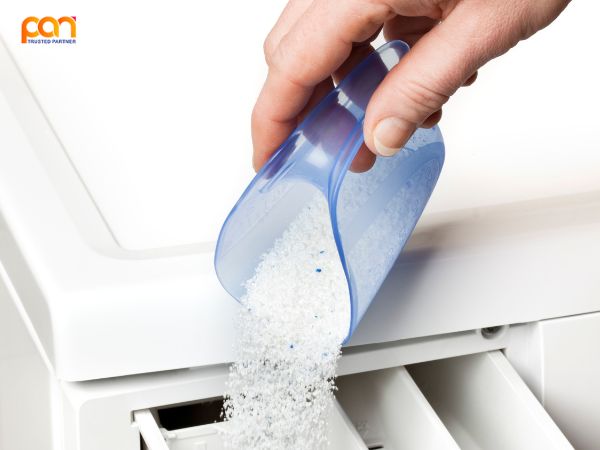
2.7. The Detergent Drawer or Related Component Is Not in the Correct Position
In some front-load washing machines, a detergent drawer that is stuck, incorrectly installed, or not properly closed may affect operation. However, this is not a common cause across all washing machine models.
How to fix it:
- Check the detergent drawer and make sure it is installed correctly.
- Clean accumulated detergent residue that may cause sticking or obstruction.
- Refer to the specific model’s operating manual to identify the applicable safety mechanism.
2.8. A Faulty Start Switch or Control Panel
The start switch and control panel receive operating commands from the user. If these components fail, the machine may not receive the start command, fail to begin a cycle, or stop unexpectedly.
How to fix it:
- Check the control buttons and display indicators on the control panel.
- Restart the machine according to the manufacturer’s instructions if the programme has become unresponsive.
- If the machine makes clicking sounds but does not spin, inspect the switch, relay, and related control components.
- Contact a technician when component repair or replacement is required.
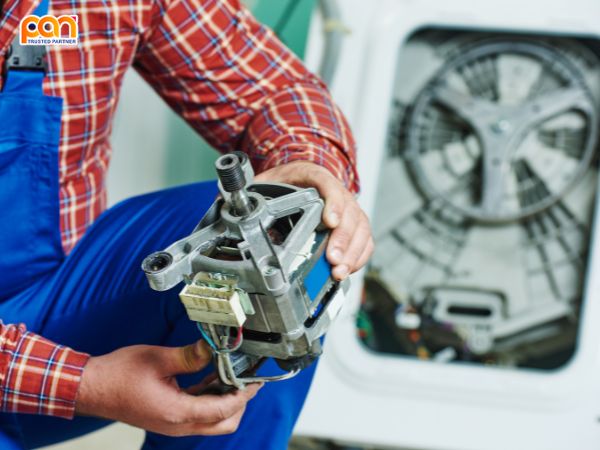
2.9. A Faulty Washing Machine Motor
The motor generates the movement required by the drum or agitator. If the motor overheats, experiences an electrical short, loses power, has a damaged capacitor, or develops a mechanical fault, the machine may fail to spin or may operate below the required speed.
How to fix it:
- Stop using the machine if there is a burning smell, unusual noise, or excessive motor heat.
- Inspect the motor and related components using appropriate diagnostic equipment.
- Repair or replace the motor according to the machine’s technical specifications.
- Do not attempt to reconnect or replace the motor without the necessary technical expertise.
2.10. A Faulty Control Board
The control board coordinates functions such as water filling, washing, draining, and spinning. If the control board malfunctions, it may fail to send commands to the motor or prevent the machine from moving to the spinning stage.
How to fix it:
- Check the error code displayed on the control panel, if the machine has a warning function.
- Inspect the control board, sensors, and related electrical connections.
- Repair or replace the control board after confirming the actual cause of failure.
- Use components that are compatible with the specific machine model to avoid further operating problems.
3. Operating Tips to Reduce the Risk of Spinning Problems
To maintain stable operation and reduce the risk of failure, follow these basic principles:
- Avoid overloading: Keep the laundry load within the equipment’s rated capacity.
- Distribute laundry evenly: Avoid placing heavy clothing or items on only one side of the drum.
- Check power and water supplies: Ensure the machine receives stable electricity and water during operation.
- Clean and maintain the equipment regularly: Clean the drum, inlet filter, detergent drawer, and inspect drive components.
- Do not dismantle the machine without expertise: For faults involving the motor, control board, belt, or electrical system, seek qualified technical support.
Conclusion
A washing machine that will not spin can result from simple issues such as overloading, imbalance, or unstable power and water supplies. However, the problem may also involve the belt, motor, door switch, or control board.
Checking each group of possible causes systematically can help identify the problem more quickly. If the washing machine still fails to operate after basic checks, or if unusual electrical or mechanical symptoms appear, contact a qualified technical service provider for assistance.
For businesses operating industrial laundry systems, regular maintenance and selecting equipment suited to operational requirements are important factors in maintaining productivity, reducing downtime, and improving overall operating efficiency.
Contact PAN for Industrial Laundry Equipment Consultation
If your business needs advice on industrial washing machines, laundry systems, or equipment solutions suitable for your operational scale, please contact PAN for professional support.
PAN TRADING JSC
📞 Hotline: (+84) 28 3840 2222 | 0919 302 879
📧 Email: contact@pantrading.vn
🌐 Website: pantrading.vn | thietbigiatcongnghiep.com