A washing machine leaking water is a common problem that can occur during regular use. Water leakage can disrupt household activities or laundry operations and may damage internal components if the issue is not addressed promptly.
What causes a washing machine to leak water? How can the source of the leak be identified and fixed properly? Let us explore the most common causes and practical solutions below.
Common Causes of Washing Machine Water Leaks and Solutions
Water leakage may originate from the water supply system, drainage system, door seal, operating conditions, or internal components.
Uneven Washing Machine Installation
Cause: A washing machine installed on an uneven floor or with improperly adjusted feet may vibrate excessively during operation. When the machine is tilted, water may spill or leak, particularly during filling, washing, or spinning.
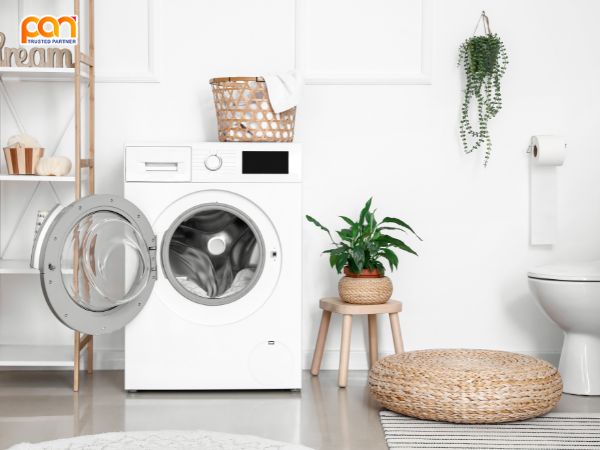
Solution: Check the floor and adjust the machine feet to ensure stable and level installation. For industrial washing machines, make sure the foundation is strong enough and suitable for the equipment's operating load.
Overloading the Washing Machine
Cause: Every washing machine has a maximum rated capacity. Overloading can compress garments, increase the risk of imbalance, and in some cases cause water or excessive detergent foam to overflow.
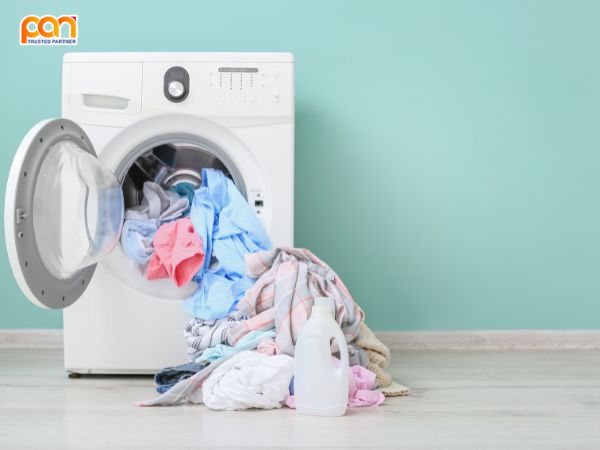
Solution: Follow the recommended load capacity for each machine model. Avoid forcing excessive amounts of laundry into the drum. For industrial washing machines, distribute textile loads according to the designed capacity to maintain efficient operation.
Using Too Much or the Wrong Type of Detergent
Cause: Excessive detergent or an unsuitable high-foaming product can create too much foam inside the drum. When foam exceeds the machine's control capacity, water and foam may escape through areas that are not properly sealed.
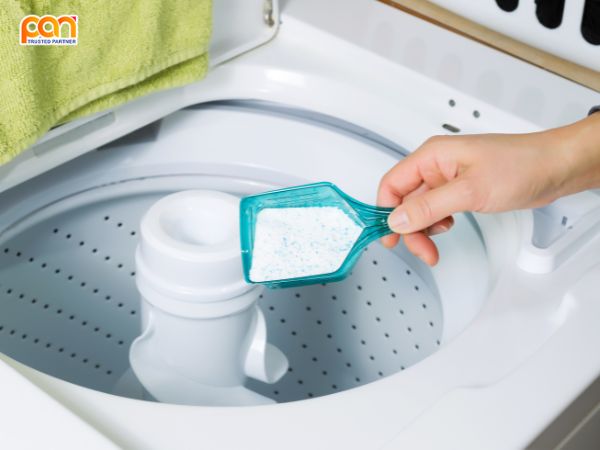
Solution: Use detergents suitable for the washing machine and follow the recommended dosage. For industrial laundry systems, use professional laundry chemicals and set dosing levels according to each washing program.
Loose or Damaged Water Supply Hose
Cause: Water may leak from a loose inlet hose, open connection, or worn rubber gasket. A cracked inlet valve or clogged filter can also cause leakage around the water supply area.
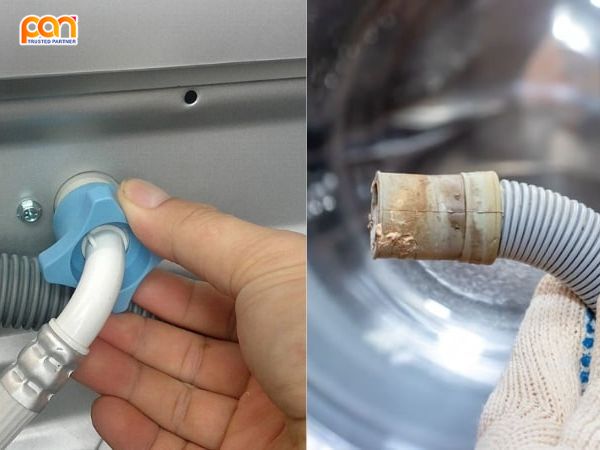
Solution: Disconnect the power and close the water supply valve before inspection. Check the hose connections, inlet hose, and rubber gaskets. Replace cracked, broken, or corroded hoses. Clean the filter and inspect the inlet valve if necessary.
Blocked or Incorrectly Installed Drain Hose
Cause: A kinked, blocked, cracked, or loosely connected drain hose can prevent water from draining properly and cause leakage. Incorrect positioning or insufficient fixation of the drain hose may also contribute to the problem.
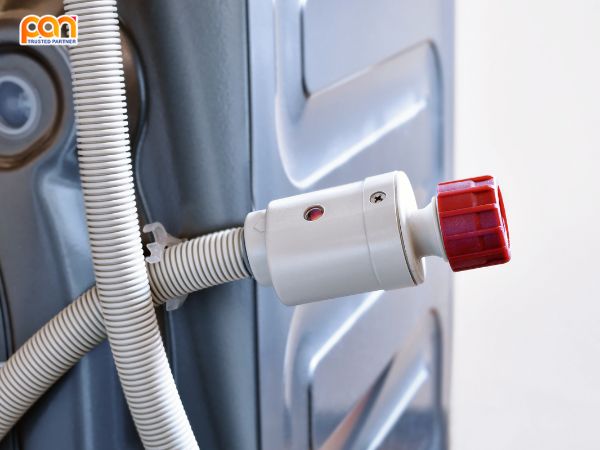
Solution: Inspect the entire drain hose, remove blockages, and straighten any kinked sections. Check all connections and replace the drain hose if damage is found.
Damaged Door Seal or Lid Seal
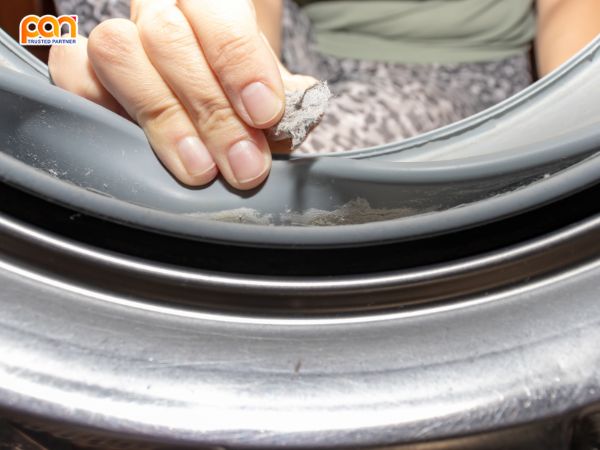
Cause: Front-loading washing machines use a rubber door seal to prevent water from escaping during operation. Over time, the seal may collect dirt, become deformed, hardened, or torn. This is a common cause of leaks around the front of the machine.
Solution: Clean the door seal regularly and inspect it for cracks, tears, or deformation. Replace the seal with a suitable component if it no longer provides proper water tightness.
Interrupted Washing Cycle or Improper Operation
Cause: Frequently stopping the machine during a cycle, opening the door incorrectly, or changing programs without following the operating instructions may affect water intake and drainage. However, pressing the stop button or adding laundry through a designated function does not necessarily cause leakage.
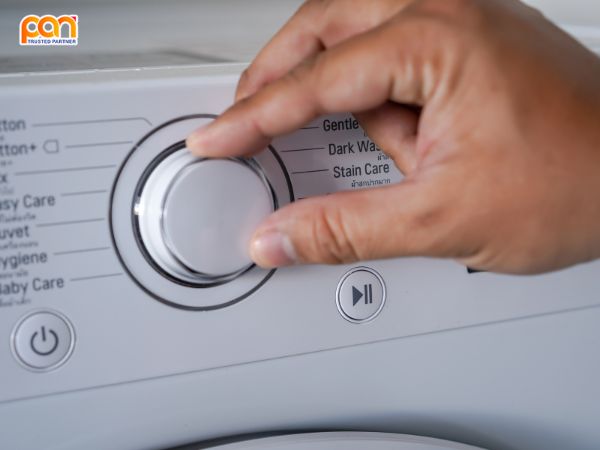
Solution: Follow the manufacturer's operating instructions and avoid unnecessary intervention during an active washing cycle. If additional garments need to be added, only use the function when the machine is designed to support it and safety conditions are met.
Faulty Inlet Valve, Drain Pump, or Internal Components
Cause: If external connections appear normal but the machine continues to leak, the problem may involve the inlet valve, drain pump, internal hoses, sensors, or control components. Malfunctioning parts may cause continuous water intake or incorrect drainage during the washing cycle.
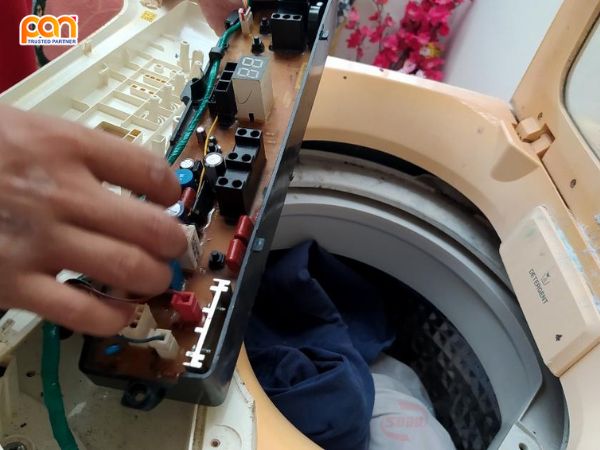
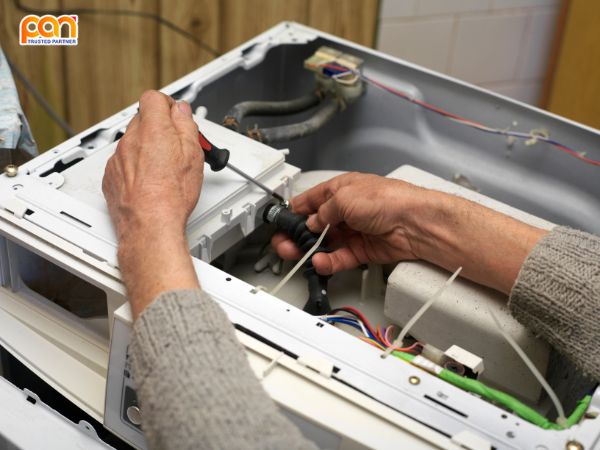
Solution: Do not disassemble the machine to inspect internal electrical or mechanical components without proper expertise. Contact a qualified technician to identify the cause and perform repairs safely.
Potential Damage Caused by a Leaking Washing Machine
If water leakage continues for an extended period, it may cause problems affecting the equipment, installation area, and user safety.
Risk of Electrical System Damage
Leaking water may come into contact with electrical outlets, wiring, or electronic components if the machine is not installed correctly. This increases the risk of electrical short circuits, equipment damage, and unsafe operating conditions.
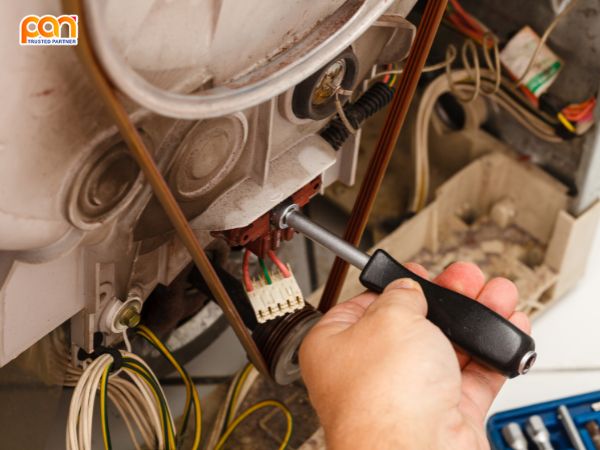
Damage to the Control Board
The control board manages many important washing machine functions. If water enters the control board area, electronic components may corrode, short-circuit, or malfunction, resulting in higher repair costs.
Excess Moisture and Unpleasant Odors
Water accumulating around or underneath the washing machine can increase humidity and create conditions for mold and microorganisms to develop. Without timely cleaning and drying, the laundry area may develop musty odors and hygiene problems.
Rust and Corrosion of the Base and Metal Components
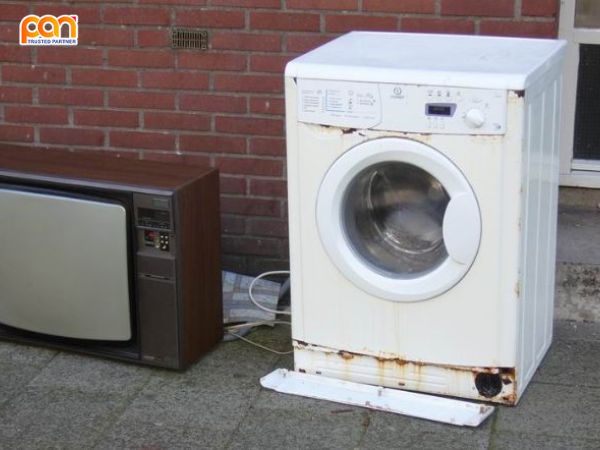
Repeated exposure to water can increase the risk of oxidation and rust on the machine base, frame, and other metal components. Over time, this may affect equipment durability, stability, and operating performance.
Safe Steps to Take When a Washing Machine Leaks
- Disconnect the machine from the power supply as soon as abnormal leakage is detected.
- Close the water supply valve to prevent additional water from entering the machine.
- Do not touch electrical outlets or wiring with wet hands.
- Inspect external components such as the inlet hose, drain hose, and door seal.
- Dry the surrounding area before continuing inspection.
- Contact a qualified technician if internal components or electrical systems are suspected.
Conclusion
A leaking washing machine can result from various causes, including uneven installation, excessive laundry loads, incorrect detergent usage, damaged inlet or drain hoses, faulty door seals, and internal component failures.
Early detection and proper troubleshooting can help prevent further damage, maintain safety, and preserve equipment performance. For industrial washing machines, regular inspection of water supply, drainage, valves, pumps, and control components is essential to ensure stable laundry operations.
Contact PAN for Industrial Laundry Equipment Consultation
If your business needs advice on industrial washing machines, laundry systems, or technical services for laundry equipment, contact PAN for a solution tailored to your operational requirements.
CÔNG TY CỔ PHẦN THƯƠNG MẠI PAN
📞 Hotline: (+84) 28 3840 2222 | 0919 302 879
📧 Email: contact@pantrading.vn
🌐 Website: pantrading.vn | thietbigiatcongnghiep.com