Washing machines are essential equipment in homes, hotels, restaurants and commercial laundry facilities. However, users may occasionally experience a situation where the machine fails to drain water after the washing cycle. Water remains inside the drum, clothes cannot be spun dry and the program may stop before completion.
Why is the washing machine not draining? What does it mean when a washing machine cannot drain water, and how can the problem be fixed? The cause may involve the drain hose, drain valve, drain motor, drive belt or control system. Checking each possible cause step by step can help identify the problem and prevent further damage.
Signs That a Washing Machine Is Not Draining Properly
Common signs of a drainage problem include:
- Water remains inside the drum after the program ends.
- The machine does not move to the spin cycle or cannot complete spinning.
- Clothes remain soaked and are not properly drained.
- The machine produces a humming sound while water remains inside.
- The cycle takes unusually long or stops before completion.
This problem can occur in top-load machines, front-load machines and industrial washing systems. When abnormal operation is detected, the equipment should be checked before continued use.
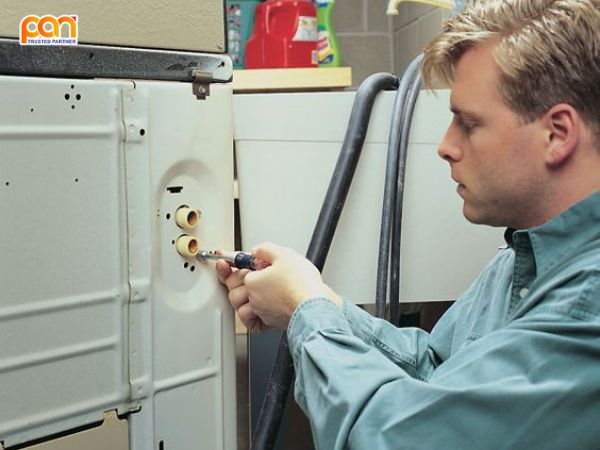
Why Is the Washing Machine Not Draining?
Several issues can prevent a washing machine from draining water. The following are among the most common causes.
Blocked or Kinked Drain Hose
The drain hose carries wastewater from the washing machine to the drainage system. If the hose is kinked, compressed, blocked or covered with residue, water may not be able to flow out. This is one of the simplest and most common causes of drainage failure.
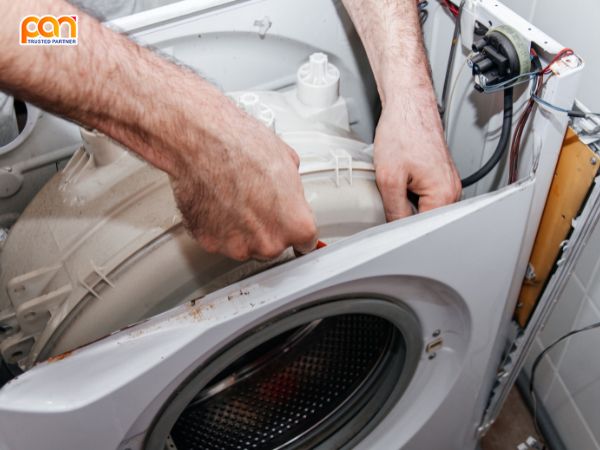
How to fix it: Check the entire length of the drain hose, straighten any kinks and clean the hose connections. If the hose is cracked, crushed or damaged, replace it with a suitable part.
Stuck or Dirty Drain Valve
The drain valve opens the water outlet after the washing program reaches the drainage stage. Over time, lint, residue or small objects may accumulate around the valve, preventing it from opening correctly.
How to fix it: Inspect and clean the drain valve according to the technical instructions. Avoid dismantling internal components without proper experience, especially on industrial washing machines with more complex drainage systems.
Damaged Drain Motor
The drain motor operates the pump or drainage mechanism depending on the design of the washing machine. If the motor is weak, burned out or damaged, water may not be discharged even when other components are functioning.
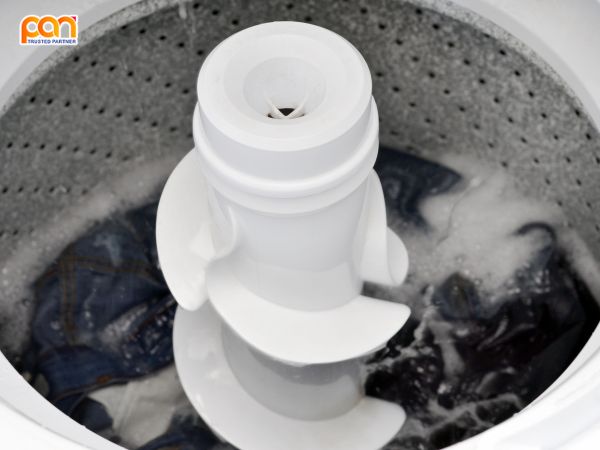
How to fix it: Check the drain motor and replace it if necessary. This work should be performed by a qualified technician to ensure correct parts selection and electrical safety.
Washing Machine Lid or Door Is Not Properly Closed
Some washing machines use a safety switch to monitor whether the lid or door is securely closed. If the door is not fully closed, the door switch is faulty or the locking system fails, the machine may not continue to the drain and spin stages.
How to fix it: Make sure the lid or door is securely closed. If the machine still displays an error, inspect the door switch and locking mechanism.
Loose, Slipped or Broken Drive Belt
In belt-driven washing machines, the drive belt transfers power between the motor and mechanical components. If the belt becomes stretched, slips or breaks, the machine may stop during the cycle and fail to complete washing, draining or spinning.
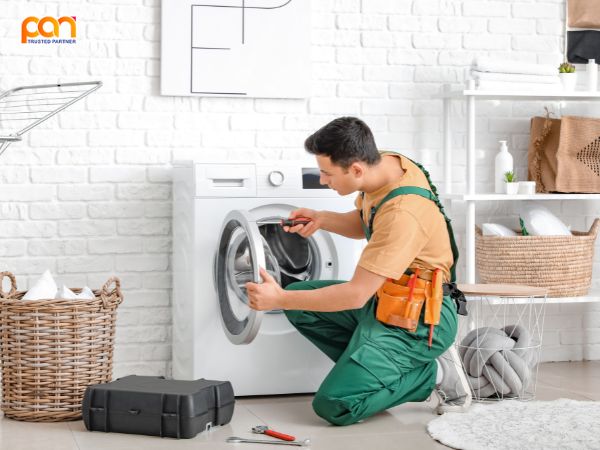
How to fix it: Inspect the drive belt and replace it if damaged. Always disconnect the power supply completely before checking internal components.
Faulty Control Board
The control board sends signals to components such as the drain valve, motor and door-lock system. If the control board malfunctions, the machine may fail to activate the drain valve or move to the next stage of the program.
Electronic component failure, moisture, unstable power supply and prolonged use can all affect the control system.
How to fix it: Check error codes and control-system operation. Do not attempt to repair the control board without electrical and electronic expertise. Contact a qualified technician for accurate diagnosis.
Faulty Water Inlet Valve
The water inlet valve controls the amount of water entering the machine. If the valve remains open or fails to close properly, water may continue flowing into the machine after the program has moved to the drain stage. This can leave water inside the drum or prevent the cycle from completing.
How to fix it: Inspect the water inlet valve and replace it if it leaks or fails to operate correctly. The control board should also be checked if the valve receives abnormal signals.
How to Fix a Washing Machine That Is Not Draining
When troubleshooting a drainage problem, start with simple external causes before inspecting internal components.
Check the Washing Machine Lid or Door
First, make sure the lid or door is fully closed. Some machines will not activate draining or spinning unless the door-lock system confirms a safe operating condition.
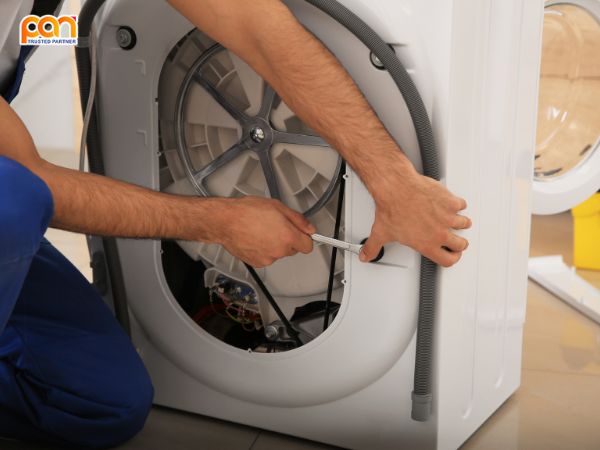
If the door is properly closed but the machine still does not drain, inspect the door switch, locking mechanism or error code shown on the control panel.
Check the Drain Hose and Filter
Inspect the drain hose behind the machine to ensure it is not kinked, compressed or blocked. Clean the hose outlet and the connection to the drainage system.
If the machine has a lint filter or debris filter, inspect and clean it regularly. Fabric fibers, paper, residue or small objects can reduce drainage performance.
Check the Drive Belt
For belt-driven washing machines, inspect the belt only after disconnecting the power supply completely. A stretched, slipped or broken belt should be replaced with the correct part for the machine model.
Removing the machine cover and replacing the drive belt requires technical skills. If you are not experienced, contact an authorized service center or professional repair provider.
Check the Drain Motor and Drain Valve
If the hose, filter and door system are functioning properly, the problem may involve the drain motor or drain valve. These components should be tested with appropriate technical equipment to determine their operating condition.
Do not force the machine to continue operating while water remains inside the drum or the motor produces unusual sounds. Continued operation may increase the risk of further damage.
Check the Main Control System
If the machine still fails to drain after the basic components have been checked, the issue may be related to the control board or main control system. High humidity, unstable power supply and aging electronic components can affect its operation.
Contact a qualified technician to inspect error codes, control signals and related components instead of attempting unauthorized repairs.
Safety Precautions When Troubleshooting a Drainage Problem
- Disconnect the power supply before inspecting internal components.
- Do not open the door while a significant amount of water remains inside and the door is locked.
- Do not replace components before confirming the actual cause of the problem.
- For industrial washing machines, follow the manufacturer's safety procedures and technical instructions.
- If the machine produces unusual noise, a burning smell or signs of electrical leakage, stop using it and contact a technician immediately.
Conclusion
A washing machine that does not drain water may be affected by a blocked drain hose, stuck drain valve, damaged drain motor, faulty drive belt or control board. Checking the machine systematically, starting with external components, helps identify the cause and avoid unnecessary repairs.
For both household and industrial washing machines, regular maintenance, drainage-system cleaning and inspection of key components are essential for stable operation. If the drainage problem continues, contact a professional service provider for proper diagnosis and repair.
PAN TRADING JOINT STOCK COMPANY
📞 Hotline: (+84) 28 3840 2222 | 0919 302 879
📧 Email: contact@pantrading.vn
🌐 Website: pantrading.vn | thietbigiatcongnghiep.com