Horizontal washing machines are widely used in households, laundry shops, and commercial laundry facilities. With a front-loading design, a horizontally positioned drum, and flexible operation, this type of machine offers several benefits, including effective cleaning, optimized water consumption, and better fabric care.
So, what exactly is a horizontal washing machine? What are its main advantages and limitations? Understanding these characteristics can help users determine whether this type of equipment is suitable for their laundry needs.
What Is a Horizontal Washing Machine?
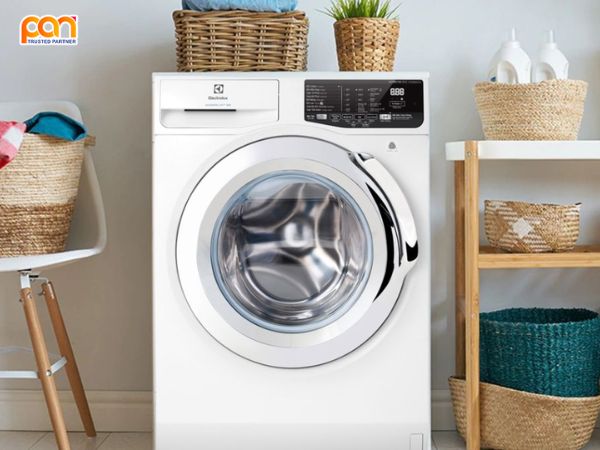
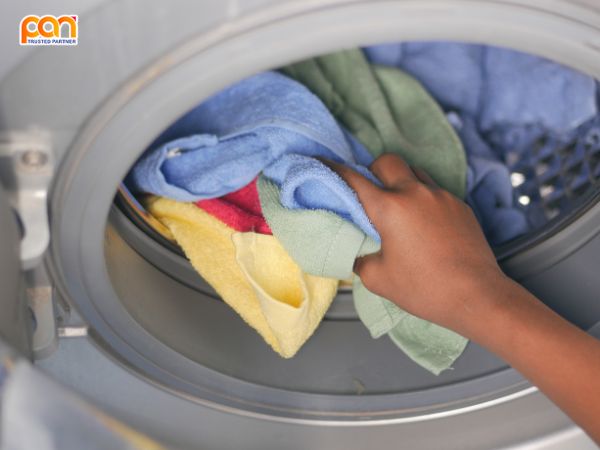
A horizontal washing machine, also known as a front-loading or horizontal-drum washing machine, is designed with a front door and a drum positioned horizontally. During operation, the drum rotates around a horizontal axis, lifting and tumbling garments throughout the washing cycle.
This is the main difference compared with top-loading washing machines, which have an opening at the top and a vertically positioned drum.
Advantages of Horizontal Washing Machines
Optimized Water and Energy Consumption
Horizontal washing machines tumble garments inside the drum instead of immersing all clothing in a large volume of water. As a result, water consumption per cycle can be optimized compared with certain traditional washing machines.
Many modern models are also equipped with inverter motors that adjust operating speed according to the selected washing program, helping improve energy efficiency and long-term operating performance.
High Cleaning Performance
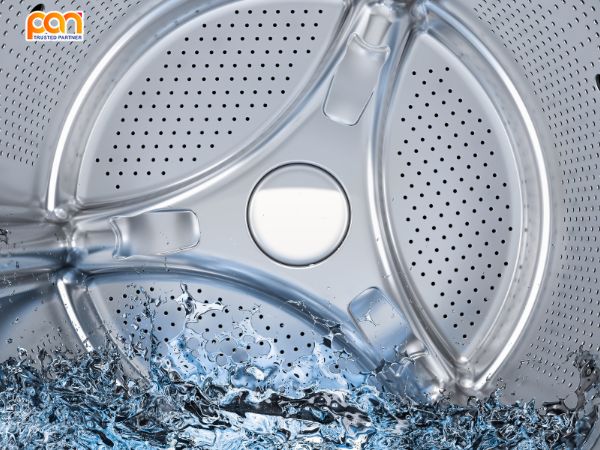
The horizontal drum movement helps garments tumble evenly, allowing water and laundry chemicals to penetrate the fabric more effectively. This process supports the removal of common dirt, sweat, and everyday stains.
For industrial washing machines, horizontal drum technology can be combined with appropriate washing force, water temperature, and operating programs to process different types of textiles.
Better Fabric Protection
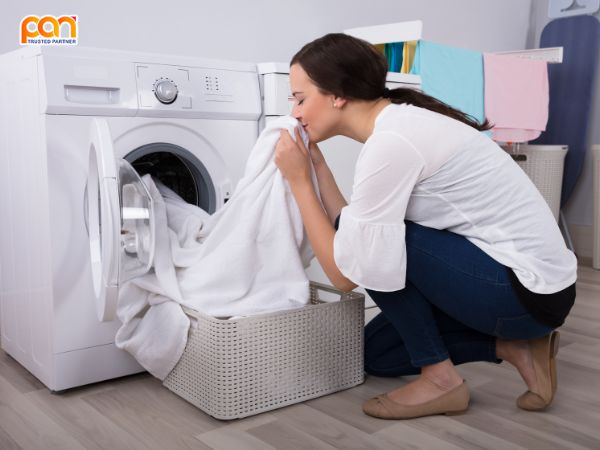
Horizontal washing machines generally use a tumbling action that can be gentler than the vigorous agitation mechanism found in some top-loading machines. This helps reduce excessive stretching, twisting, and abrasion during washing.
This advantage is particularly important for delicate fabrics, uniforms, bed linen, towels, and other textile products used in hotels, restaurants, and professional laundry facilities.
Modern and Practical Design
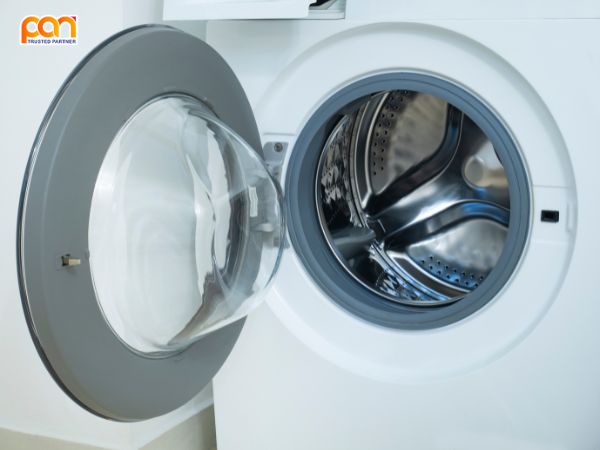
With a front-loading door, horizontal washing machines allow users to observe the washing process and check the condition of garments inside the drum. Some models also feature electronic control panels, automatic load balancing systems, and other operating support functions.
For commercial laundry facilities, the front-loading design also makes it easier to arrange machines in a system, especially when combined with industrial dryers or stacked equipment configurations.
Multiple Washing Programs
Horizontal washing machines are commonly equipped with various programs for different fabric types and soil levels. Depending on the model, users may select standard washing, quick washing, delicate washing, towel washing, bedding washing, or other specialized programs.
For industrial washing machines, operating programs can be configured according to laundry volume, textile types, and the specific processing requirements of each facility.

Disadvantages of Horizontal Washing Machines
Higher Initial Investment Cost
Compared with some top-loading machines of similar capacity, horizontal washing machines generally require a higher initial investment. Industrial models with durable construction, large capacities, and advanced automatic functions may require a significant investment budget.
However, businesses should evaluate the total operating value, including water and energy savings, equipment durability, and laundry productivity over the long term.
Requires Suitable Installation Space
Horizontal washing machines require sufficient space in front of the unit to open the door and load or unload textiles. Therefore, the installation area should be carefully planned to ensure convenient and safe operation.
For industrial laundry systems, facility planning should take into account the locations of washing machines, dryers, textile sorting areas, chemical supply areas, and staff movement paths.
Washing Cycles May Take Longer
Some washing programs on horizontal machines may take longer than those on top-loading machines. This is because the machine performs multiple stages, including water filling, washing, rinsing, and spinning, according to the selected program.
However, operating time should be evaluated together with cleaning performance, resource efficiency, and the workflow requirements of each facility.
Requires Bending Down When Loading or Unloading
Because the door is located at the front and is often positioned relatively low, operators may need to bend down when loading or unloading garments. This should be considered when planning equipment placement, especially in high-frequency laundry operations.
For industrial laundry systems, an appropriate machine platform height, working area, and walkway design can help reduce inconvenience during operation.

Who Should Consider Using a Horizontal Washing Machine?
Horizontal washing machines can be suitable for various user groups and business models. Equipment selection should be based on laundry volume, usage frequency, installation space, and investment budget.
Households or Facilities with Frequent Laundry Needs
Households with large amounts of laundry or facilities that process textiles regularly may consider horizontal washing machines because of their stable operation and cleaning performance.
Hotels, Restaurants, and Accommodation Facilities
Horizontal washing machines are suitable for hotels, resorts, restaurants, and accommodation facilities that need to process towels, bed linen, uniforms, and other textile products.
When combined with industrial dryers, industrial ironing equipment, and professional laundry chemicals, these machines can become an important part of a professional textile processing line.
Laundry Shops and Commercial Laundry Services
Laundry shops processing a high volume of orders each day may choose industrial horizontal washing machines to improve productivity and maintain consistent textile quality after washing.
For facilities with limited floor space, businesses should carefully calculate machine capacity and equipment layout to maximize the use of available space.
Who Should Consider Carefully Before Choosing a Horizontal Washing Machine?
Facilities with Limited Installation Space
If the installation area is small or does not provide sufficient clearance in front of the machine, loading, unloading, and operation may become inconvenient. A site survey should therefore be conducted before selecting equipment.
Users with Infrequent Laundry Needs
For households or facilities with a low laundry volume, investing in a high-capacity machine may not be necessary. Selecting the appropriate capacity can help optimize both investment and operating costs.
Limited Investment Budget
Horizontal washing machines, particularly industrial models, generally require a higher investment than some conventional equipment. Buyers should consider the total cost of ownership, including equipment, installation, maintenance, and operation.
The Role of the Control Board in a Horizontal Washing Machine
The control board is one of the key components of a washing machine. It receives signals from sensors and controls various functions, including water filling, water drainage, drum speed, washing time, and operating programs.
In modern machines, the control board also supports the management of multiple washing modes and coordinates with other components to maintain stable operation.
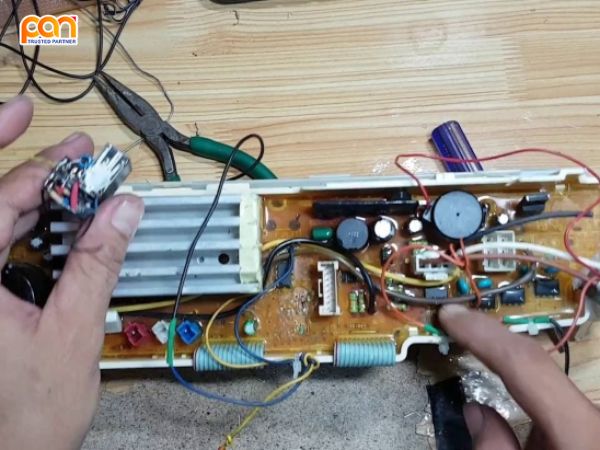
When a washing machine develops a control-board-related fault, users should avoid dismantling or repairing the component without technical expertise. Inspection and replacement should be carried out by qualified technicians to minimize the risk of additional damage.
Things to Consider When Choosing an Industrial Horizontal Washing Machine
- Determine the daily volume of textiles to be processed.
- Select a machine capacity that matches actual laundry requirements.
- Check the installation area, electrical system, and water supply.
- Prioritize equipment with washing programs suitable for different textile types.
- Consider water, energy, and chemical consumption during operation.
- Choose a supplier with expertise in equipment consulting, installation, and maintenance.
Conclusion
Horizontal washing machines offer several benefits in terms of cleaning performance, resource efficiency, and fabric protection. However, they also require careful consideration of investment costs, installation space, and operating procedures.
For households, laundry shops, hotels, resorts, or production facilities processing large volumes of textiles, selecting the right machine capacity and configuration can improve operational efficiency and optimize long-term costs.
Contact PAN for Industrial Laundry Equipment Consultation
If your business is looking for industrial horizontal washing machines or needs advice on a laundry solution suitable for its operating scale, contact PAN for support with equipment selection, system configuration, and an appropriate investment plan.
PAN TRADING JSC
📞 Hotline: (+84) 28 3840 2222 | 0919 302 879
📧 Email: contact@pantrading.vn
🌐 Website: pantrading.vn | thietbigiatcongnghiep.com