In modern life, washing machines save considerable time and effort in laundry operations. However, different garments have different fabric characteristics and require suitable washing programs. For delicate fabrics that are easily stretched or deformed, the Delicate cycle is a useful option.
So, what is the Delicate cycle in a washing machine? Which types of clothing is it suitable for, and how should it be used to achieve the best results? Let us explore the details below.
What Is the Delicate Cycle in a Washing Machine?
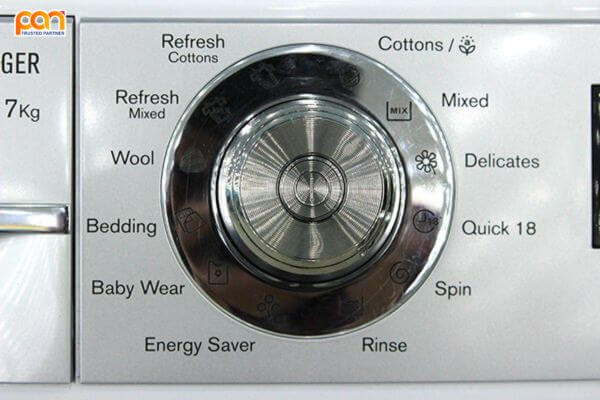
The Delicate cycle is a gentle washing program designed for sensitive fabrics that may be damaged when washed using a standard cycle.
Compared with a regular washing program, Delicate typically uses gentler drum movements, lower spin speeds, and water levels intended to reduce friction between garments. Some washing machines may also use lower water temperatures to help reduce the risk of shrinkage, color fading, or fabric deformation.
This cycle is suitable for materials such as silk, lace, wool, lightweight fabrics, and garments with decorative details. However, washing and spinning performance may vary between machines, so users should consult the manufacturer's instructions before use.
Benefits of the Delicate Cycle
The Delicate cycle offers several benefits when used for sensitive and easily damaged garments.
- Protects fabric fibers: Gentle washing movements help reduce the risk of tearing, stretching, or pilling in delicate fabrics.
- Reduces mechanical wear: Garments are exposed to less mechanical force, helping maintain their shape and fabric quality for longer.
- Helps limit fading and deformation: Gentle spinning and suitable temperatures can reduce the impact on garment color and shape.
- Suitable for lightweight and sensitive items: The Delicate cycle can be used for underwear, handkerchiefs, children's clothing, and certain textiles requiring special care.
- May reduce energy consumption in some cases: When the program uses lower temperatures, electricity consumption may be lower than that of hot-water cycles.
- Helps extend garment service life: Selecting the correct washing program reduces unnecessary damage and helps preserve clothing quality.

When Should You Use the Delicate Cycle?
The Delicate cycle should be used when garments have fabrics or structures that require gentle care. Suitable examples include:
- Sensitive fabrics: Silk, wool, lace, and lightweight fabrics that may stretch or deform easily.
- Underwear and socks: Items with delicate structures that may lose their shape or tear under strong washing action.
- Garments with decorative details: Clothing with lace, beads, embroidery, or other details that should be protected from excessive friction.
- Children's clothing: Certain baby clothes, swaddles, or garments made from soft and sensitive materials.
When Should You Avoid the Delicate Cycle?
Delicate is not suitable for every type of clothing. Avoid using this cycle in the following situations:
- Heavily soiled garments: Stubborn stains, grease, or strong odors may require a more intensive washing program.
- Thick fabrics and heavy items: Denim, towels, blankets, bed sheets, and other thick textiles generally require a dedicated program.
- Items requiring intensive hygiene treatment: Garments that require specific temperatures, washing times, or chemical treatment.
- Garments with easily detached details: Always check the care label before placing such items in the washing machine.
How to Use the Delicate Cycle Effectively
To achieve better results and reduce the risk of garment damage, users should follow these steps:
1. Check the Care Label
Before washing, check the symbols on the garment care label to determine whether the item is machine washable. Some sensitive fabrics are only suitable for hand washing or dry cleaning.
2. Sort the Laundry
Wash delicate fabrics separately and avoid mixing them with garments containing zippers, metal hooks, or rough materials. Proper sorting helps reduce friction and potential fabric damage.
3. Use a Laundry Bag
For underwear, lace items, or small garments, place them in a mesh laundry bag before loading the machine. A laundry bag helps prevent items from becoming tangled, stretched, or caught on other garments.
4. Choose a Suitable Detergent
Use the recommended amount of detergent according to the manufacturer's instructions. For delicate clothing, choose a detergent suitable for the fabric and avoid excessive use of strong bleaching or cleaning agents.
5. Adjust Temperature and Spin Speed
Choose a low temperature or cold water setting when permitted by the care label. If the machine allows spin-speed adjustment, select a lower speed to reduce mechanical stress on garments.
6. Avoid Overloading the Machine
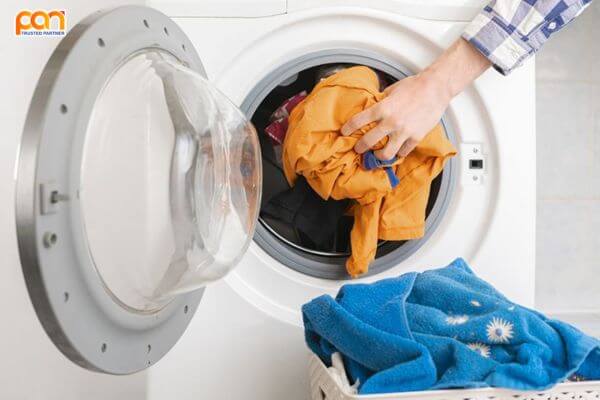
Garments need sufficient space to move freely inside the drum. Overloading may reduce cleaning performance and increase the risk of wrinkles, stretching, or deformation.
7. Dry and Store Garments Properly
Remove garments from the machine soon after the cycle ends. Some fabrics should be dried flat or hung correctly to maintain their shape. Avoid prolonged exposure to strong direct sunlight if the material is prone to fading.
Important Precautions When Using the Delicate Cycle
- Do not assume that every fabric can be washed using the Delicate cycle. Always follow the garment care label.
- Do not use the Delicate cycle for heavily soiled clothing if the program cannot provide the required cleaning performance.
- Do not use hot water or strong detergents without checking the fabric's temperature and chemical resistance.
- Do not leave wet garments inside the drum for a long period after the cycle ends.
- For industrial washing machines, select the washing program according to fabric type, load size, and processing requirements for each batch.
Conclusion
The Delicate cycle is a gentle washing program designed for fragile and sensitive fabrics. Using the appropriate cycle helps reduce friction, limit stretching, and maintain the appearance and durability of garments.
However, Delicate does not replace all other washing programs. Users should sort garments, check care labels, and select suitable temperatures and spin speeds to achieve the best results.
For businesses, hotels, hospitals, and facilities investing in industrial laundry equipment, selecting washing machines with programs suitable for different fabric groups can improve operational efficiency and help protect textile quality.
Contact PAN for Industrial Laundry Equipment Consultation
If your business needs consultation on industrial washing machines, industrial dryers, or a suitable laundry equipment solution, please contact:
PAN Trading JSC
📞 Hotline: (+84) 28 3840 2222 | 0919 302 879
📧 Email: contact@pantrading.vn
🌐 Website: pantrading.vn | thietbigiatcongnghiep.com