Washing machines save considerable time and effort during the laundry process. However, after prolonged use, the equipment may fail to spin or may not remove enough water, leaving garments wet and causing inconvenience in both household and commercial laundry operations.
Why does a washing machine fail to spin? Common causes may involve the water supply system, drainage system, door lock, motor, control program, or uneven laundry distribution. Below are the most common causes and appropriate troubleshooting methods.
Problems with the Water Supply Pipe or Inlet Filter
Some washing programs must complete the water-filling, washing, and rinsing stages before moving to the spin cycle. If the water supply pipe is blocked, the inlet valve operates irregularly, or the inlet filter is clogged with dirt, the machine may fail to complete the cycle and may not proceed to spinning.
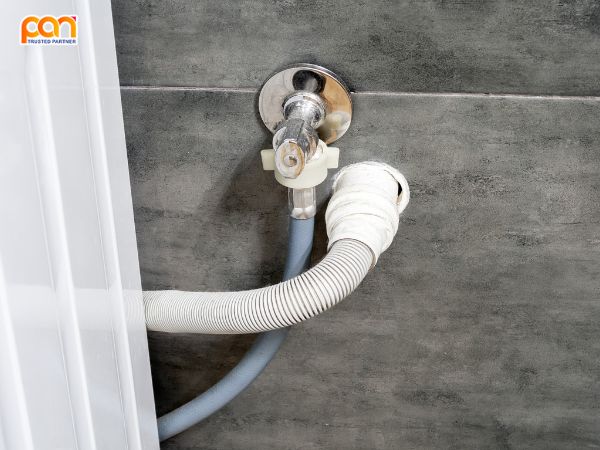
Solution: Check the water supply, inlet hose, and filter at the inlet valve. Clean any accumulated debris if necessary and ensure that the water pressure meets the equipment requirements.
Blocked Drain Hose or Drain Valve
This is one of the common reasons why a washing machine does not spin. Before spinning, the machine must drain most of the water from the drum. If the drain hose is bent, blocked, or the drain valve does not open properly, water may remain inside the drum and prevent the spin cycle from starting.
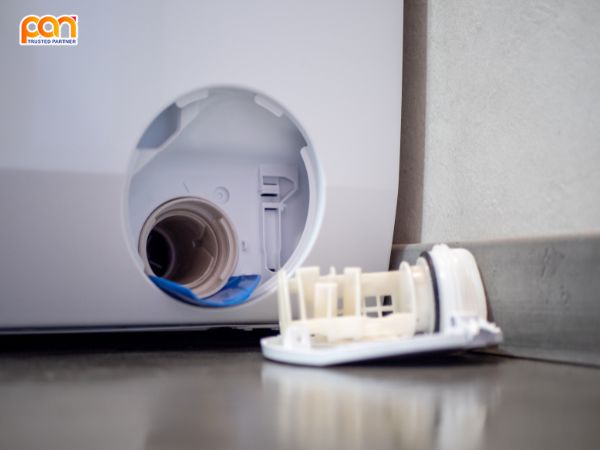
Solution: Inspect the entire drain hose, remove any obstructions, and correct bent sections. If the drain valve or drain pump shows signs of damage, contact a qualified technician for inspection and proper replacement.
The Washing Machine Door or Lid Is Not Fully Closed
Washing machines are equipped with door or lid locking mechanisms to ensure safe operation. If the door is not fully closed, the door switch is faulty, or the lock does not receive the correct signal, the machine may prevent the spin cycle from operating.
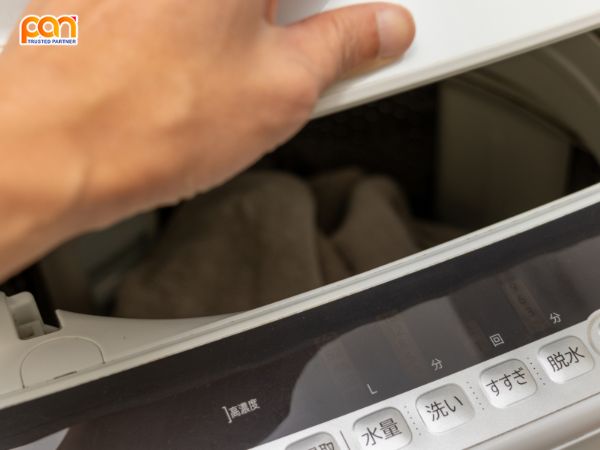
Solution: Check and close the door securely before starting the machine. Do not place garments or foreign objects between the door and rubber seal. If the door is properly closed but the machine still does not spin, the door-lock system should be inspected.
Drive Belt or Motor Problems
For washing machines that use a drive belt, the belt may stretch, slip, or break after extended operation. In this situation, the motor may still run, but the drum may not rotate or may fail to reach the required speed for spinning.
For direct-drive washing machines, the problem may be related to the motor, speed sensor, or motor control system.
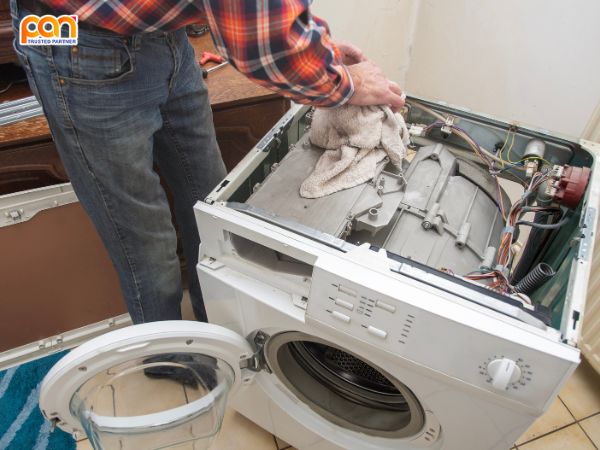
Solution: Disconnect the power supply before inspection. Do not dismantle the motor or replace the drive belt without appropriate technical expertise. For industrial washing machines, inspection of the motor, drive system, and related components should be performed by qualified technicians.
Control Program or Sensor Failure
A washing machine may sometimes fail to spin because of problems with the control program, water-level sensor, or balance sensor. If the system detects that water has not been fully drained or that the load is unstable, the machine may pause to protect the equipment.
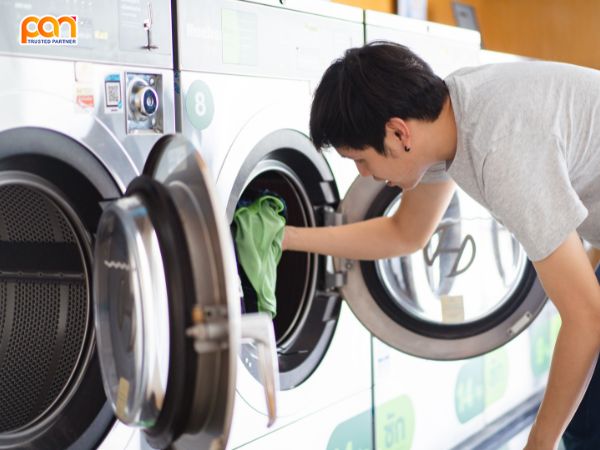
Solution: Turn off the machine, disconnect the power for a few minutes, and restart it according to the manufacturer's instructions. If the problem persists, check the error code, control board, and related sensors.
Uneven Laundry Distribution or Overloading
Unevenly distributed laundry inside the drum is a common reason why a washing machine cannot spin. When garments collect on one side, the machine may detect an imbalance and automatically reduce speed or stop the spin cycle.
Loading more garments than the permitted capacity can also overload the motor and affect spinning performance.
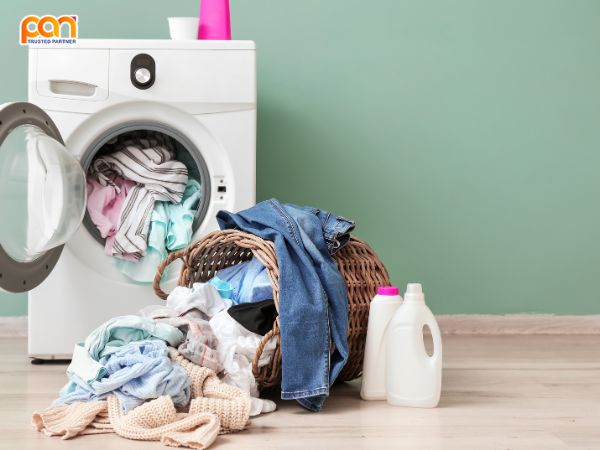
Solution: Pause the machine, redistribute the garments evenly, and remove some items if the machine is overloaded. For industrial washing machines, always follow the designed load capacity to maintain effective washing and spinning performance.
Unbalanced Installation Position
A washing machine installed on an uneven floor or with improperly adjusted feet may vibrate excessively during the spin cycle. Some equipment will automatically stop or reduce speed to limit vibration and protect internal components.
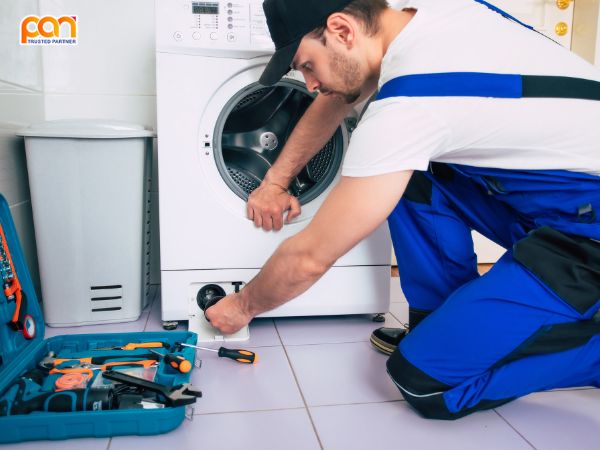
Solution: Check whether the floor is level and adjust the machine feet according to the technical instructions. For industrial equipment, ensure that the foundation is sufficiently stable and suitable for the machine's load.
Washing Machine Not Spinning Due to a Drainage System Problem
In addition to the drain hose and drain valve, a washing machine may fail to spin because the drain pump is weak, damaged, or operating inconsistently. When water is not removed within the required time, the control system may prevent the machine from moving to the spin cycle.
Solution: Check the drain pump, drainage pipe, and filter. Do not continue operating the machine if there are unusual noises, burning smells, or signs of electrical leakage.
How to Check a Washing Machine That Is Not Spinning
- Check whether water remains inside the drum.
- Inspect the drain hose, drain valve, and drainage filter.
- Ensure that the door or lid is fully closed.
- Check the load capacity and redistribute the garments evenly.
- Check whether the machine is tilted or vibrating abnormally.
- Restart the machine and check the error code if a display is available.
- Contact a technician if the problem may involve the motor, control board, or electrical system.
Safety Notes When Troubleshooting a Washing Machine Spin Problem
Before inspecting or cleaning any washing machine components, disconnect the power supply and shut off the water supply if necessary. Do not dismantle electrical components, motors, or control boards without the appropriate technical expertise.
For industrial washing machines, repairs should follow the manufacturer's technical procedures. Equipment with high capacity and frequent operating cycles should be inspected and maintained regularly to reduce disruptions during laundry operations.
Conclusion
A washing machine that does not spin may be affected by various issues, including water supply, drainage, door locking, unbalanced loads, motor problems, or control system faults.
Identifying the correct cause can help resolve the problem quickly and prevent unnecessary damage. If the machine continues to malfunction after basic checks, contact a professional technical service provider for further assistance.
Contact PAN for Industrial Laundry Equipment Consultation
If your business needs advice on industrial washing machines, laundry systems, or technical services for laundry equipment, contact PAN for support in selecting a solution suitable for your operating requirements.
PAN TRADING JSC
📞 Hotline: (+84) 28 3840 2222 | 0919 302 879
📧 Email: contact@pantrading.vn
🌐 Website: pantrading.vn | thietbigiatcongnghiep.com