When using a washing machine, choosing the right detergent plays an important role in maintaining cleaning performance and equipment durability. Many users still wonder whether washing machines can use powder detergent, whether regular powder detergent is suitable and what may happen if the wrong product is used.
The answer is yes, washing machines can use powder detergent. However, the detergent should be selected according to the machine type, washing program and intended application. For front-loading washing machines and industrial laundry equipment, controlling foam levels and detergent dissolution is particularly important to support stable operation.
For industrial laundry systems, businesses should consider machine capacity, fabric types, soil levels and washing procedures when selecting suitable detergents and laundry chemicals.
Can Washing Machines Use Powder Detergent?
Washing machines can use powder detergent, but not every detergent is suitable for every type of machine. There are products specifically designed for top-loading washing machines, front-loading washing machines and industrial laundry systems.
Powder detergents designed for washing machines are generally developed with consideration for dissolution, foaming levels and cleaning performance under different water volumes, washing times and mechanical actions. Choosing the right detergent helps reduce residue, limit excessive foam and support more stable machine operation.
How to Choose the Right Powder Detergent for a Washing Machine
To maintain cleaning performance and protect the equipment, users should choose detergent based on the machine type, laundry requirements and the manufacturer's recommendations.
Choose Detergent According to the Washing Machine Type
- Top-loading washing machines: Many detergents designed for washing machines can be used, but products with good dissolution properties are preferable to reduce residue on clothes and inside the drum.
- Front-loading washing machines: Low-foaming and fast-dissolving detergents are recommended. Appropriate foam levels help reduce excessive suds and support the washing and rinsing process.
- Industrial washing machines: Specialized laundry chemicals should be selected according to machine capacity, washing programs and the requirements of different fabric types. Household powder detergent should not be used as a replacement for chemicals recommended for industrial equipment without technical guidance.
Choose Detergent According to Laundry Requirements
- Regular clothing: Select a detergent suitable for the fabric type and soil level, avoiding unnecessarily aggressive chemicals.
- Children's clothing or special-care fabrics: Choose products with ingredients and usage instructions suitable for the intended application, and follow recommended rinsing procedures.
- Towels, uniforms, hotel textiles or hospital linen: A suitable chemical process should be developed according to fabric types, hygiene requirements and industrial laundry capacity.
Use the Correct Amount of Detergent
- Read the instructions carefully: Follow the dosage recommended by the detergent manufacturer and adjust according to the laundry load when necessary.
- Do not use excessive detergent: Too much detergent may cause residue, increase rinsing requirements and waste chemicals.
- Do not use too little detergent: Insufficient detergent may reduce cleaning performance, especially when washing heavily soiled fabrics.
- Store detergent properly: Keep the packaging tightly closed and store the product in a dry place away from moisture.
Consequences of Using Powder Detergent Incorrectly
Using the wrong detergent or an incorrect dosage can affect cleaning performance, laundry quality and the washing machine's operating system. Common issues include the following:
Reduced Cleaning Performance
Unsuitable or poorly dissolving detergent may leave residue on clothes, inside the detergent compartment and in the washing drum. When the detergent amount does not match the laundry load or washing program, cleaning results may also be reduced.
Excessive Foaming
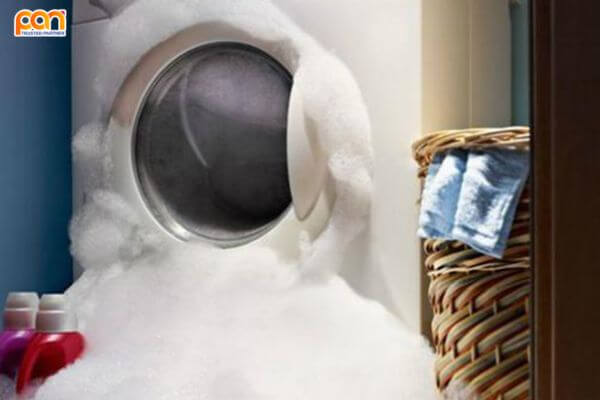
Detergents that produce excessive foam can interfere with washing, rinsing and water-control processes. In some cases, excessive suds may overflow or cause the washing cycle to take longer than expected.
Effects on Drainage and Pump Systems
Over time, chemical residue may accumulate in pipes, filters or drainage areas. If the system is not cleaned and inspected regularly, drainage performance may be affected.
Increased Water and Energy Consumption
Excessive detergent may require additional rinsing cycles to remove residue and foam. This can increase operating time, water consumption and energy costs.
Impact on Fabric Quality
Unsuitable detergent or excessive dosage may affect the color, softness and durability of certain fabrics. Remaining chemical residue can also reduce the overall quality and appearance of garments after washing.
Higher Maintenance Costs
Long-term use of unsuitable chemicals may increase residue buildup and contribute to operating issues. For industrial washing machines, these problems can directly affect laundry processing capacity and maintenance costs.
Can Front-Loading Washing Machines Use Powder Detergent?
Front-loading washing machines can use powder detergent, but products specifically designed for front-loading machines are recommended. Important characteristics include low foaming and suitable dissolution performance for the selected washing program.
If a detergent produces excessive foam, the washing and rinsing processes may be affected. Users should therefore read the product instructions carefully and check the washing machine manufacturer's technical requirements before selecting detergent.

Can Regular Powder Detergent Be Used in a Washing Machine?
Regular powder detergent may be used in a washing machine if it is compatible with the equipment manufacturer's instructions. However, users should not assume that all powder detergents work equally well in top-loading machines, front-loading machines and industrial washing systems.
For front-loading washing machines and industrial laundry equipment, particular attention should be paid to foaming levels, dissolution performance and dosage. Using specialized detergent helps provide better control over cleaning performance, rinsing and equipment stability.
Important Notes When Using Powder Detergent
- Check the washing machine manufacturer's instructions before selecting detergent.
- Prioritize detergents with good dissolution performance and compatibility with the washing program.
- Do not increase the dosage without appropriate guidance, even when washing heavily soiled items.
- Clean the detergent compartment, washing drum, filters and drainage system regularly.
- For industrial washing machines, use chemicals according to technical procedures and recommendations from the equipment supplier.
Conclusion
Washing machines can use powder detergent, but cleaning performance and equipment durability depend largely on selecting the right product and using the correct dosage. Detergents that produce excessive foam, dissolve poorly or are unsuitable for the equipment may reduce cleaning efficiency, increase residue buildup and affect the washing system.
For businesses operating industrial washing machines, equipment and chemical selection should be considered together with laundry procedures, fabric types and processing capacity. PAN provides industrial laundry equipment solutions and supports businesses in selecting systems suitable for their operational requirements.
Contact Information
PAN TRADING JSC
📞 Hotline: (+84) 28 3840 2222 | 0919 302 879
📍 Address: 142 B2 Street, Sala Urban Area, An Khanh Ward, Ho Chi Minh City, Vietnam
📧 Email: contact@pantrading.vn
🌐 Website: pantrading.vn | thietbigiatcongnghiep.com