Washing machines require a stable water supply to complete washing, rinsing and spinning cycles effectively. When the water flow into a washing machine is weak, the equipment may take longer to complete a cycle, reduce cleaning performance and experience increased wear on certain components. This issue can occur in both household washing machines and industrial laundry equipment when the water supply system is not properly maintained.
Identifying the correct cause allows users to apply the appropriate solution, minimize downtime and avoid unnecessary repair costs.
Causes of Weak Water Flow Into a Washing Machine
Reduced water flow can result from several factors in the water supply system. Common causes include:
Low Water Pressure
Insufficient water pressure can cause water to enter the washing machine more slowly than normal. This may result from a low-positioned water tank, building water supply conditions or unstable pressure in the surrounding area.
In industrial laundry systems, low water pressure can also affect multiple machines operating simultaneously, particularly in hotels, hospitals, factories and commercial laundry facilities with high water demand.
Clogged Water Supply Pipes
Dirt, mineral deposits, limescale or small particles can accumulate inside the water supply pipe and restrict water flow. Bent, twisted or improperly installed hoses may also reduce the amount of water entering the machine.
Clogged Inlet Filter
The inlet filter is usually installed near the water inlet valve or at the connection point of the supply hose. Over time, dirt and sediment from the water supply can accumulate on the filter screen and reduce the flow rate.
Faulty Water Inlet Valve
A stuck, clogged or damaged inlet valve may fail to open fully, preventing the washing machine from receiving the required amount of water. This component should be inspected after external water supply issues have been ruled out.
Leaking Faucets or Hose Connections
Leaks at the water faucet, hose joints or supply line can reduce the actual water pressure reaching the machine. In addition to weak water flow, leaks may cause moisture around the equipment and damage nearby components.
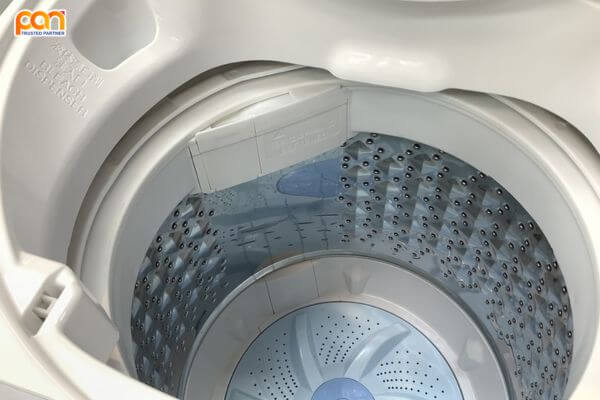
How Does Weak Water Flow Affect a Washing Machine?
An unstable water supply can interrupt operation and reduce the overall efficiency of the equipment. Common effects include:
- Longer cycle times: The machine takes longer to reach the required water level, extending the washing cycle.
- Reduced washing performance: Insufficient or slow water flow can affect detergent dissolution, fabric wetting and soil removal.
- Less effective rinsing and spinning: If the water supply does not meet operating requirements, rinsing may be incomplete, leaving detergent residue or excess water in the laundry.
- Increased equipment wear: Longer operating periods may place additional strain on components such as inlet valves, pumps and control systems.
- Higher operating costs: Extended electricity and water consumption can increase operating expenses, especially in high-volume industrial laundry facilities.
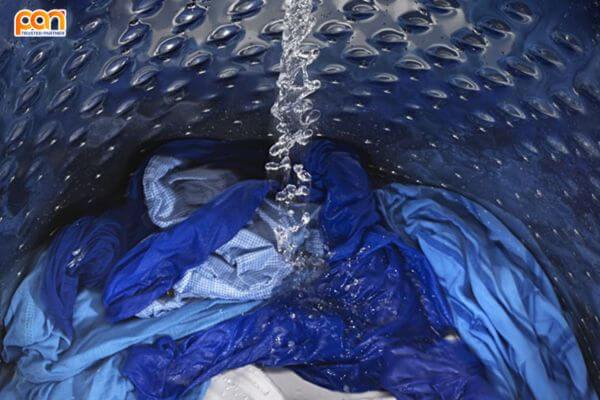
How to Fix Weak Water Flow Into a Washing Machine
To address weak water flow, users can inspect the water supply system from the external source to the machine inlet.
Check the Water Pressure
Check whether other faucets or appliances connected to the same water system also have weak flow. If multiple devices are affected, the issue may originate from the main water supply. When necessary, a booster pump or adjustments to the water supply system may help maintain suitable pressure.
Clean the Inlet Filter and Supply Hose
Disconnect the power and close the water supply valve before removing the filter or supply hose. Clean the filter screen with clean water and a soft brush to remove dirt and sediment. Avoid using sharp objects, as they may damage or deform the filter mesh.
For industrial laundry systems, supply pipes, inlet filters and connection points should be inspected regularly to prevent reduced water flow during continuous operation.
Inspect and Replace the Water Inlet Valve
If the filter and supply hose are clear but water flow remains weak, inspect the inlet valve. A stuck or damaged valve may require cleaning, repair or replacement by a qualified technician.
Inspect Faucets and Hose Connections
Check the entire water supply line for twists, bends, leaks or cracks. Loose connections should be tightened, while worn or damaged hoses should be replaced to maintain stable water flow.
Contact a Technical Service Provider When Necessary
If the water supply system has been checked but the issue persists, avoid opening the control board or internal components without professional expertise. Inspection and repair should be carried out by qualified technicians, especially for high-capacity industrial washing machines.
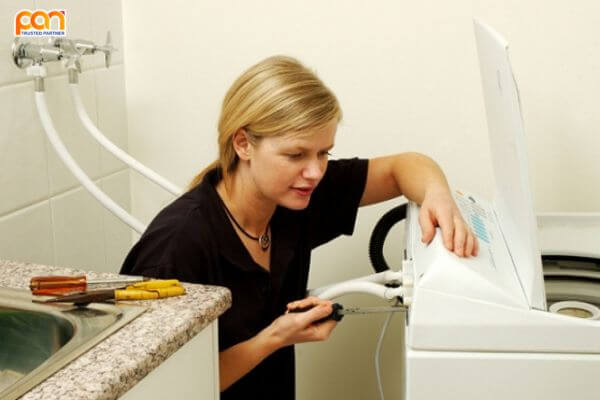
Conclusion
Weak water flow into a washing machine may be caused by low water pressure, clogged pipes, a dirty inlet filter, a faulty water inlet valve or leaking connections. Early inspection and proper troubleshooting help maintain washing performance, reduce equipment wear and control operating costs.
For facilities using industrial laundry equipment, regular inspection of the water supply, filter cleaning and scheduled maintenance are essential to ensure stable and long-term equipment operation.
Contact Information
PAN TRADING JSC
📞 Hotline: (+84) 28 3840 2222 | 0919 302 879
📍 Address: 142 B2 Street, Sala Urban Area, An Khanh Ward, Ho Chi Minh City, Vietnam
📧 Email: contact@pantrading.vn
🌐 Website: pantrading.vn | thietbigiatcongnghiep.com