During washing machine operation, issues involving water supply, drainage or water-level control can affect equipment performance. One technical term commonly found in washing machine documentation and control systems is Overflow.
So, what is the Overflow function in a washing machine? It refers to a mechanism designed to detect or control situations in which the amount of water inside the machine exceeds the permitted level, helping reduce the risk of water overflowing outside the equipment. Understanding this function helps users operate, inspect and maintain washing machines more effectively.
What Is Overflow in a Washing Machine?
Overflow in a washing machine refers to a condition in which the water level inside the drum exceeds the controlled limit or spills outside the equipment. In many modern washing machines, the Overflow protection system may work together with water-level sensors, inlet valves, drain pumps and control boards to detect abnormal conditions and trigger an appropriate response.
When the machine detects that the water level has exceeded the permitted limit, the system may stop water intake, activate drainage or display an error warning, depending on the design of each model. The purpose of this function is to reduce the risk of water overflowing and affecting the equipment or surrounding area.
Overflow-related problems may be caused by a stuck water inlet valve, an inaccurate water-level sensor, a blocked drainage hose or a control system malfunction. Users should therefore distinguish between the Overflow protection function itself and an actual water overflow problem before deciding how to troubleshoot the equipment.
Benefits of the Overflow Protection Function
The Overflow protection function provides several benefits during washing machine operation, particularly for equipment that operates frequently or handles large laundry loads.
Reducing the Risk of Water Overflow
The Overflow function helps detect abnormal water levels and prevent water from continuing to rise beyond the controlled limit. This reduces the risk of water spilling onto the floor or surrounding areas.
Protecting Internal Components
By limiting excessive water levels, the function helps reduce the risk of water reaching components that are not designed for direct water exposure. This can provide additional protection for electrical systems, control components and related parts.
Supporting Equipment Service Life
Water-level control helps reduce the risk of problems involving water supply and drainage. Operating the equipment under appropriate conditions supports more stable performance over time.
Improving Safety in the Operating Area
Water on the floor can create slipping hazards and affect the surrounding area. In environments with electrical equipment or frequent laundry activity, reducing the risk of overflow contributes to safer operation.
Reducing Potential Repair Costs
Preventing water overflow may help reduce damage to the washing machine, flooring and nearby equipment. Early detection also allows users to inspect and address problems before they become more serious.
Maintaining Washing Performance
An appropriate water level is necessary for washing programs to operate as designed. Overflow control supports stable operating conditions and helps reduce interruptions during the washing process.
Automatic Operation
On equipment equipped with automatic protection systems, the Overflow function can operate without requiring users to continuously monitor the water level. However, users should still inspect the machine whenever warnings or abnormal symptoms appear.
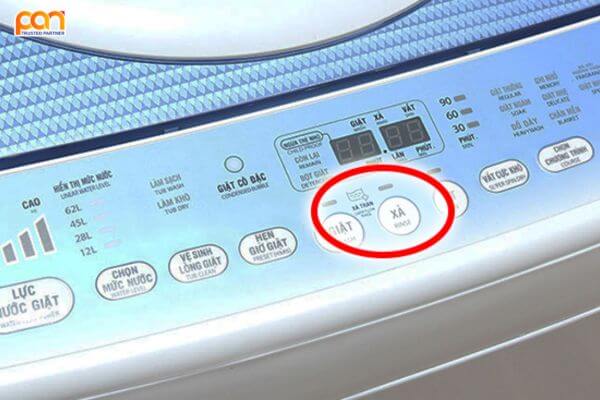
How to Handle an Overflow-Related Washing Machine Problem
When water spills outside the machine or an Overflow-related warning appears, users should prioritize safety before inspecting the equipment.
Stop the Washing Machine
Stop the washing program and disconnect the power supply when it is safe to do so. At the same time, shut off the water supply to prevent additional water from entering the machine.
Dry the Area Around the Machine
Use towels or absorbent materials to remove water from the floor. Make sure the surrounding area is dry before continuing with inspection or restarting the equipment.
Inspect the Water Supply System
Check the water inlet valve, supply hose and connection points for leaks, valve blockage or damage. If the inlet valve does not close properly, water may continue entering the machine even after the washing program has stopped.
Inspect the Drainage System
Check the drain hose, filter and drain pump. A kinked hose, blockage or unstable drain pump operation may affect the machine's ability to control the water level.
Check the Water-Level Sensor
The water-level sensor should be inspected when the machine cannot accurately determine the amount of water inside the drum. If the sensor is dirty, damaged or has connection problems, it should be cleaned, repaired or replaced with a compatible component.
Inspect the Control System
If the water supply, drainage system and sensor operate normally but the machine continues to display an Overflow warning, the problem may involve the control board or control system. This type of issue should be inspected by a qualified technician.
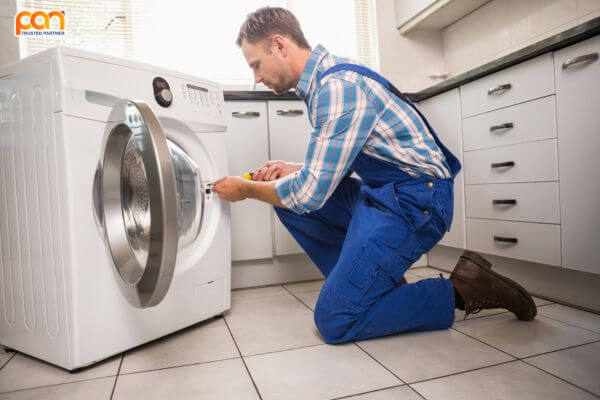
How to Prevent Overflow Problems in a Washing Machine
Reducing the risk of Overflow requires both proper operation and regular equipment maintenance.
Maintain the Water Supply and Drainage Systems
- Inspect the water inlet valve, supply hose, drain hose and connection points regularly.
- Clean filters and areas where dirt or residue may accumulate.
- Ensure hoses are not kinked, compressed or incorrectly positioned.
Clean the Washing Machine Regularly
Clean the washing drum, detergent compartment, filters and related areas to reduce residue buildup. Proper cleaning also helps support stable water supply and drainage performance.
Operate Within the Rated Capacity
Do not exceed the machine's designed laundry capacity. Excessive loads can affect washing movement, drum balance and drainage performance.
Use the Correct Amount of Detergent
Follow the detergent manufacturer's recommended dosage. Excessive detergent may create additional foam and affect the rinsing process or water-level sensing system in certain situations.
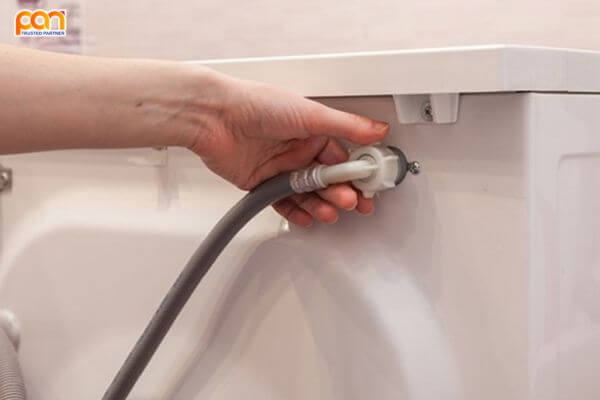
Monitor the Water-Level Sensor
Watch for unusual signs such as extended water intake, unstable water levels or recurring water-level warnings. Any abnormal condition should be inspected and addressed promptly.
Install the Machine Correctly
Place the machine on a level, stable surface that meets installation requirements. Check water supply and drainage connections before operation to reduce the risk of leaks or damage.
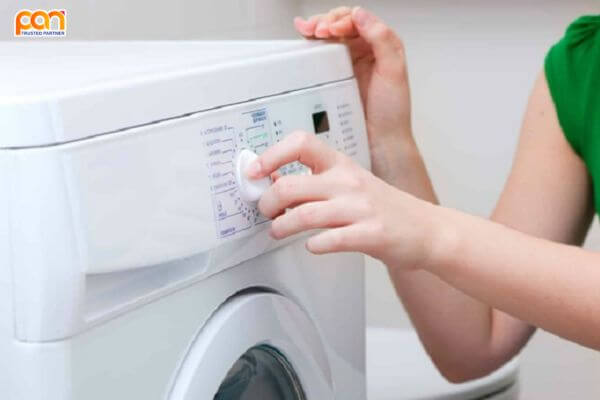
Schedule Professional Maintenance
For frequently used equipment, especially industrial washing machines, businesses should establish an appropriate inspection and maintenance schedule. Qualified technicians can inspect the water supply, drainage system, sensors, control valves and related components.
Overflow Protection in Industrial Washing Machines
In industrial laundry environments, water-level control is particularly important because equipment often handles large laundry loads and operates at high frequency. Overflow protection helps reduce the risk of interruptions caused by water supply or water-control problems during operation.
When selecting industrial washing machines, businesses should consider protection systems, water-level sensors, inlet valves, drain pumps and washing program control. These factors should be evaluated together with machine capacity, fabric types and actual operating requirements.
Conclusion
Overflow in a washing machine refers to a condition in which water exceeds the controlled level, while the protection function helps reduce the risk of water overflowing outside the equipment. The system may work together with water-level sensors, inlet valves, drain pumps and control boards to support safer and more stable operation.
When an Overflow-related problem occurs, users should stop the machine safely, inspect the water supply and drainage systems, and contact a qualified technician if the issue involves sensors or the control board. Proper loading, regular cleaning and scheduled maintenance can also help reduce similar problems.
PAN provides industrial laundry equipment solutions and supports businesses in selecting, operating and maintaining systems that match their actual requirements.
Contact Information
PAN Trading JSC
📞 Hotline: (+84) 28 3840 2222 | 0919 302 879
📍 Address: 142 B2 Street, Sala Urban Area, An Khanh Ward, Ho Chi Minh City, Vietnam
📧 Email: contact@pantrading.vn
🌐 Website: pantrading.vn | thietbigiatcongnghiep.com