Overview of the Industrial Laundry Business
An industrial laundry facility provides washing, drying, and finishing services for customers with large and regular textile processing needs. Typical customers may include hotels, restaurants, hospitals, factories, industrial facilities, and organizations that handle large quantities of linens, towels, uniforms, and other textiles.
The development of tourism, healthcare, manufacturing, and service industries has increased the need for professional textile processing. Therefore, setting up a laundry facility requires preparation across business planning, premises, equipment, operating procedures, and quality control.

Steps to Prepare for Setting Up an Industrial Laundry
1. Develop a Business Plan
- Market analysis: Research customer demand, competitors, and service pricing in the target area.
- Financial planning: Estimate investment costs for equipment, premises, personnel, and ongoing operating expenses.
- Business model: Define the laundry facility size, services, target customers, and expected textile processing volume.
2. Select the Location
- Location: Choose a site that is convenient for textile transportation and delivery.
- Space: Provide sufficient space for machinery, receiving and sorting, processing, storage, and finished textiles.
- Infrastructure: Check electrical supply, water supply, drainage, and transportation access.
3. Complete Business Requirements
- Prepare and complete the required business registration according to applicable regulations.
- Identify any permits or operating requirements related to the business activity and premises.
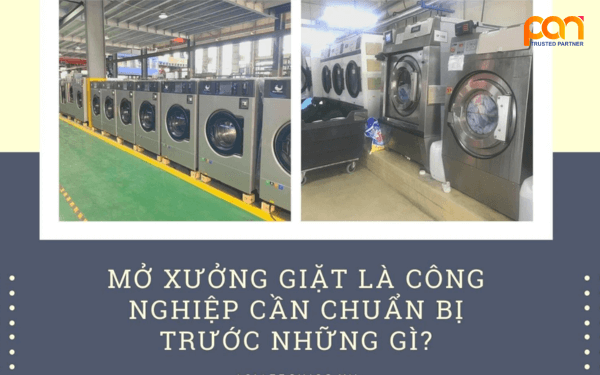
4. Invest in Machinery and Equipment
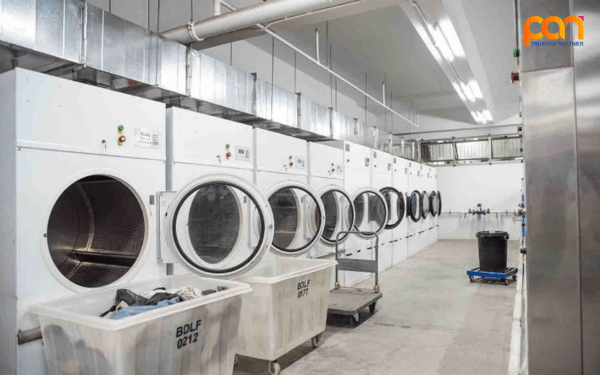
- Industrial washing machines: Select capacity and configuration according to the laundry facility size and expected textile volume.
- Industrial dryers: Provide efficient drying after washing and support the required processing capacity.
- Finishing equipment: Consider steam ironing machines, industrial ironing equipment, or other textile finishing equipment as required.
- Supporting equipment: Trolleys, garment racks, ironing tables, and other tools for sorting, transportation, and textile handling.
5. Recruit Personnel
- Technical staff: Responsible for equipment operation, inspection, and maintenance.
- Receiving and delivery staff: Manage orders, delivery, and customer support.
- Textile processing staff: Handle sorting, washing, drying, ironing, folding, and textile finishing.
6. Establish Operating Procedures
- Receiving: Inspect and sort textiles before processing.
- Washing: Select appropriate wash programs and laundry chemicals.
- Drying: Adjust temperature and drying time according to fabric type.
- Finishing: Iron, fold, and organize finished textiles.
- Delivery: Package and deliver the correct quantities according to the agreed schedule and customer requirements.
7. Develop Marketing Activities
- Develop the laundry facility's brand identity and communication channels.
- Reach target customers through appropriate local and digital communication channels.
- Develop suitable service policies and customer acquisition programs.
8. Manage Service Quality
- Staff training: Provide training on textile processing and customer service procedures.
- Quality control: Inspect textiles after each processing stage before delivery.
- Customer feedback: Receive and address issues to improve service quality.
Important Considerations When Operating an Industrial Laundry
Sort Textiles Before Washing
- Fabric type: Sort cotton, wool, synthetic fabrics, and other materials to select suitable programs.
- Color: Separate light and dark colors appropriately to minimize color transfer.
- Soil level: Heavily soiled textiles may require suitable pre-treatment.
Select the Appropriate Wash Program
- Load size: Do not exceed the machine's rated capacity.
- Fabric type: Select the appropriate program for each material.
- Soil level: Adjust time, temperature, and other parameters according to processing requirements.
Use Laundry Chemicals Correctly
- Dosage: Follow the chemical manufacturer's instructions and the requirements of the selected wash program.
- Quality: Use chemicals suitable for the textile type and equipment system.
- Safety: Store chemicals in an appropriate area with proper identification and safety instructions.
Maintain Washing Machines and Equipment
- Cleaning: Clean machines regularly to reduce residue, lint, and other factors that may affect performance.
- Inspection: Check components such as belts, pulleys, drain valves, and related parts according to the maintenance schedule.
Ensure Occupational Safety
- Provide appropriate personal protective equipment when employees handle laundry chemicals or operate machinery.
- Provide safety training covering machine operation, chemical handling, and abnormal operating conditions.
Control Quality
- Inspect textiles after processing to identify remaining stains, residue, or damage.
- Collect customer feedback and use it to improve operating procedures and service quality.
Manage Energy Consumption
- Select equipment with specifications appropriate to the laundry facility's size and operating requirements.
- Adjust temperature, wash programs, and load size appropriately to manage energy consumption.
Environmental Management
- Select laundry chemicals appropriate for textile processing requirements and environmental conditions.
- Collect and treat wastewater according to the requirements applicable to the facility.
Need Consultation for Industrial Washing Machine Investment?
Setting up an industrial laundry requires consideration of processing capacity, target customers, premises, technical infrastructure, equipment, and operating procedures. Defining the requirements from the beginning helps determine suitable washing machine, dryer, and textile finishing equipment configurations.
PAN TRADING JSC provides industrial laundry equipment and consultation for laundry facilities and professional textile processing operations.
Conclusion
Setting up an industrial laundry with industrial washing machines requires preparation across market research, financial planning, site selection, equipment investment, operating procedures, and quality control.
- Research the market: Evaluate customer demand, target segments, and market conditions before investing.
- Select suitable partners: Choose appropriate suppliers for equipment, chemicals, and technical services.
- Invest in technology: Select machinery and management tools according to the facility's operating scale.
- Continuously improve: Monitor operating performance and adjust procedures according to actual requirements.
Contact Information
PAN TRADING JSC
📞 Hotline: (+84) 28 3840 2222 | 0919 302 879
📍 Address: 142 B2 Street, Sala Urban Area, An Khanh Ward, Ho Chi Minh City, Vietnam
📧 Email: contact@pantrading.vn
🌐 Website: pantrading.vn | thietbigiatcongnghiep.com