Why Proper Industrial Washing Machine Installation Matters
Proper installation is an important factor in ensuring the operating performance, durability, and safety of an industrial washing machine. A correctly installed system helps the machine operate stably, minimizes vibration, excessive noise, and technical problems, while supporting efficient use of electricity and water.
For professional industrial laundry operations, installation involves more than simply positioning the machine. It also requires appropriate consideration of the foundation, electrical supply, water supply, drainage, operating space, and the technical requirements of each machine model.
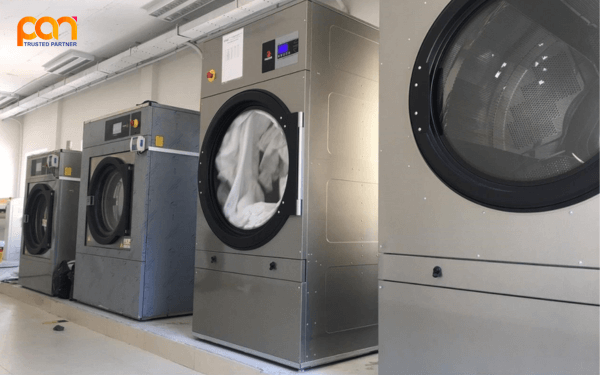
Why Should an Industrial Washing Machine Be Installed Correctly?
- Operating performance: Proper positioning and leveling help the machine operate stably while minimizing vibration and supporting efficient electricity and water use.
- Equipment lifespan: A suitable foundation, position, and connection system can reduce abnormal mechanical stress and potential damage.
- Operational safety: Proper electrical, water supply, and drainage connections help reduce risks related to leakage and electrical faults.
- Warranty requirements: Installation according to the manufacturer's technical requirements helps ensure the equipment is put into operation correctly.
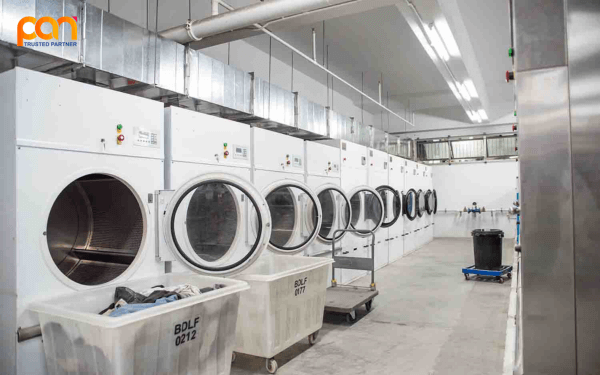
Preparation Before Installing an Industrial Washing Machine
Before installation, the site and supporting systems should be inspected and prepared to ensure stable equipment operation.
Survey the Installation Area
- Choose the installation position: Select a suitable area and avoid locations with excessive moisture, dust, or vibration risks.
- Check available space: Ensure sufficient space for transportation, operation, maintenance, and servicing.
- Ensure ventilation: The installation area should provide suitable ventilation to minimize moisture accumulation.
Check Electrical and Water Systems
- Power supply: Check voltage, current, and other electrical requirements according to the machine specifications.
- Water supply: Ensure sufficient water pressure and flow while checking the supply pipes for possible leakage.
- Drainage: Check the drainage system to prevent blockage and ensure efficient water discharge.
Prepare the Foundation
- Stable foundation: Industrial washing machines are generally heavy, so the floor or foundation must have sufficient load-bearing capacity.
- Level surface: The installation surface should be sufficiently level to minimize vibration and noise during operation.
Prepare Accessories and Materials
- Prepare suitable water supply and drainage pipes.
- Select electrical cables with appropriate capacity for the machine's power requirements.
- Prepare water filtration or treatment equipment when required by the system and machine specifications.
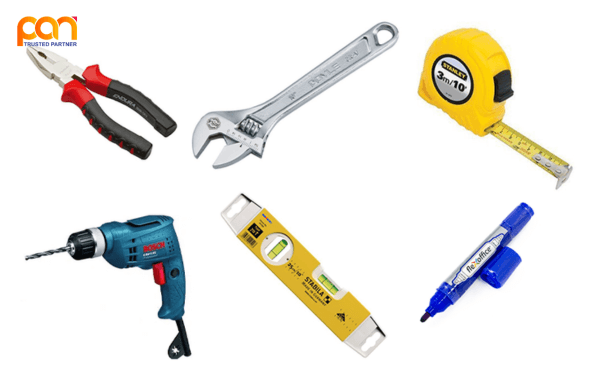
Prepare Technical Personnel and Supporting Equipment
- Technical personnel: Installation should be performed by personnel with appropriate technical knowledge and experience with the equipment configuration.
- Tools: Prepare necessary tools such as wrenches, screwdrivers, leveling tools, electrical measuring equipment, and other installation equipment.
Ensure Occupational Safety
- Provide appropriate personal protective equipment and inspect safety conditions before installation.
- Check grounding and other electrical safety requirements.
- Restrict access to the installation area to authorized personnel during installation.
Develop an Installation Plan
- Layout drawing: Determine the machine position, electrical routes, water lines, and related connections before installation.
- Installation schedule: Establish a step-by-step schedule to organize the installation efficiently.
Conduct a Test Run
- Run the machine under an appropriate test load to evaluate operating conditions.
- Check noise, vibration, water supply, drainage, and major operating functions.
- If any abnormal condition is detected, inspect and adjust the system before official operation.
Provide Operation and Maintenance Guidance
- Train operators to use the machine according to the technical operating procedures.
- Establish a regular maintenance schedule to maintain equipment performance and service life.
Detailed Industrial Washing Machine Installation Process
Step 1: Transport the Machine to the Installation Area
- Use suitable handling equipment to move the machine to the installation position while avoiding impact or equipment damage.
- Remove packaging materials carefully and protect the machine during transportation.
Step 2: Position and Level the Machine
- Place the machine according to the planned layout and check its level.
- Adjust the machine feet when necessary to ensure stability on the floor.
Step 3: Connect the Water Supply
- Connect the water supply pipe to the machine's water inlet according to the equipment configuration.
- Inspect the connections to minimize the risk of leakage.
- Check the water pressure and flow rate and provide additional pressure support when required by the system.
Step 4: Connect the Drainage System
- Connect the drainage pipe to the machine's outlet and secure the connection properly.
- Arrange the drainage pipe with an appropriate slope to facilitate efficient water discharge.
Step 5: Connect the Electrical Supply
- Disconnect the power supply before making electrical connections.
- Use a suitable power supply and protection system according to the machine's technical requirements.
- Check the wiring and grounding system before supplying power to the equipment.
Step 6: Test Run and Inspection
- Start the machine and conduct a test run after completing all connections.
- Check noise, vibration, operating speed, water supply, and drainage.
- If abnormalities are detected, inspect the machine position and all connections before putting the equipment into official operation.

Important Notes for Industrial Washing Machine Installation
- Always check the installation requirements in the manufacturer's technical documentation for the specific machine model.
- Do not install the machine in an area that does not meet foundation, electrical, water supply, or drainage requirements.
- Make sure the machine is properly leveled before conducting a test run.
- Electrical and technical connections should be handled by qualified personnel.
- Provide operator training and establish a regular maintenance schedule after installation.
Looking for an Industrial Washing Machine and Installation Consultation?
Choosing the appropriate equipment and preparing the installation plan from the beginning helps businesses manage the implementation of an industrial laundry system more effectively. When investing in an industrial washing machine, businesses should consider capacity, installation space, electrical and water infrastructure, and actual operating requirements together.
PAN TRADING JSC provides industrial laundry equipment and consultation to help businesses select solutions suitable for their operational requirements.
Conclusion
Proper industrial washing machine installation is an important factor in ensuring stable, safe, and efficient equipment operation. From site inspection and foundation preparation to electrical and water connections, leveling, and testing, each stage should be carried out carefully according to the machine's technical requirements.
Contact Information
PAN TRADING JSC
📞 Hotline: (+84) 28 3840 2222 | 0919 302 879
📍 Address: 142 B2 Street, Sala Urban Area, An Khanh Ward, Ho Chi Minh City, Vietnam
📧 Email: contact@pantrading.vn
🌐 Website: pantrading.vn | thietbigiatcongnghiep.com