Washing machines are essential equipment in homes, hotels, restaurants and laundry facilities. During operation, some vibration or moderate noise may occur, especially during high-speed spinning. However, unusually loud sounds, severe shaking or repeated banging may indicate that the machine has an underlying problem.
Why does a washing machine make loud noises during the spin cycle? The cause may be related to installation, laundry load distribution, foreign objects inside the drum or worn mechanical components. Identifying the correct cause helps prevent further damage and extends the service life of the washing machine.
Uneven Washing Machine Installation
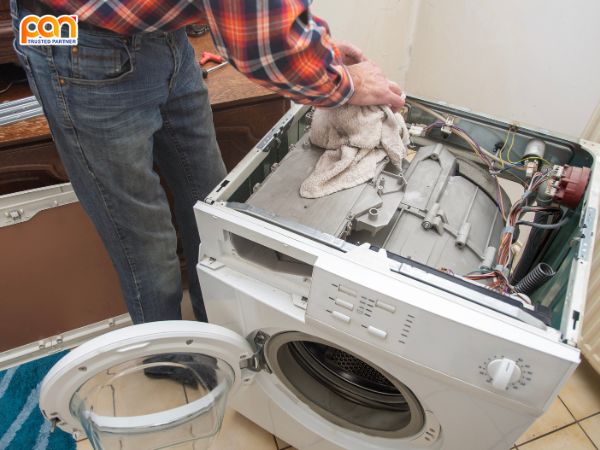
One of the most common reasons for loud noise during the spin cycle is an unbalanced installation. When the machine is placed on an uneven surface, the drum may move irregularly at high speed, increasing vibration and causing contact with the cabinet.
How to fix it: Check the installation surface and adjust the leveling feet according to the manufacturer's instructions. Make sure the machine stands firmly on a solid, level surface and does not slide during operation.
Uneven Laundry Distribution or Overloading
Laundry concentrated on one side of the drum or a load exceeding the recommended capacity can cause imbalance. The machine may then operate under unstable conditions, resulting in strong vibration and loud noise during spinning.
This commonly occurs when washing blankets, thick towels, jackets or other absorbent items. If the laundry is not distributed properly, it may form a heavy bundle and place additional stress on the suspension system.
How to fix it: Distribute laundry evenly inside the drum, avoid overloading and follow the maximum load capacity recommended by the manufacturer.
Incorrect Front-Load Installation or Shipping Bolts Not Removed
Front-load washing machines are often secured with shipping bolts during transportation. If these bolts are not removed before operation, the drum may be restricted from moving properly, causing excessive vibration and unusual noise during the spin cycle.
Incorrect positioning, insufficient clearance from walls or improper installation can also transfer vibration to surrounding surfaces and make the machine appear louder.
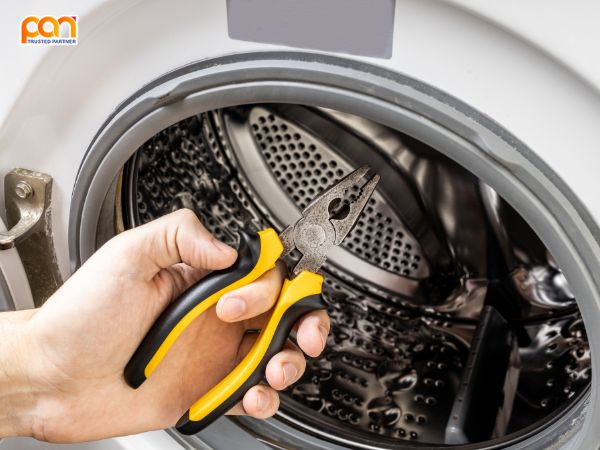
How to fix it: Review the installation instructions, make sure all shipping bolts have been removed correctly and provide sufficient clearance for stable operation.
Foreign Objects Left Inside the Drum
Coins, keys, zippers, metal hooks or other small objects left in clothing pockets can create rattling sounds when the drum rotates. Some objects may also become trapped between the drum and cabinet, causing friction or damage to internal components.

How to fix it: Check clothing pockets before washing, remove foreign objects and inspect the drum if unusual metallic sounds occur. Do not continue operating the machine if an object is trapped and cannot be safely removed.
Damaged Shock Absorbers or Suspension Springs
Shock absorbers, suspension springs and related components help stabilize the drum during rotation. After prolonged use, these parts may wear out, deform or lose their ability to absorb vibration.
When the suspension system no longer works effectively, the machine may shake violently, hit the cabinet and produce loud noises, especially during high-speed spinning.
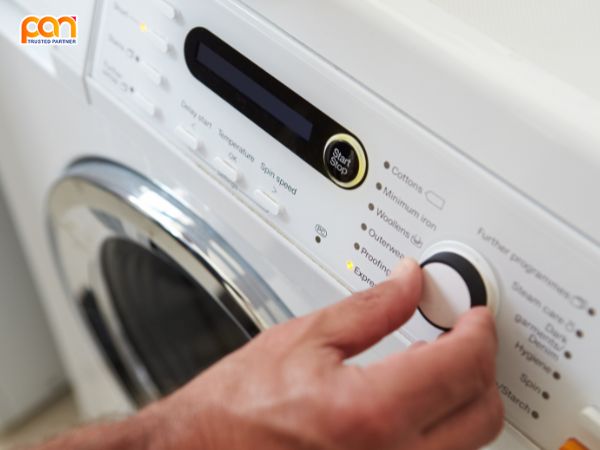
How to fix it: Stop using the machine if it shakes severely or bangs against the cabinet. Contact a qualified technician to inspect and replace damaged components when necessary.
Unstable Water Supply
An insufficient or unstable water supply can prevent the washing program from operating under its intended conditions. However, this is not usually the most direct cause of loud noise during spinning. In some cases, an unsuitable water level may contribute to uneven laundry distribution or abnormal cycle operation.
For industrial washing machines, water pressure, water supply and drainage systems should be checked according to the technical requirements of each machine.

How to fix it: Check water pressure, hoses, inlet valves and filters. Make sure the water supply meets the machine's operating requirements.
An Old or Worn Washing Machine
After years of operation, components such as belts, pulleys, shock absorbers, bearings and drive systems may deteriorate. As a result, the washing machine may become noisier, vibrate more or produce unusual sounds during different stages of the cycle.
How to fix it: Have the machine inspected to identify worn components. If repair costs are high or the equipment is seriously outdated, consider replacing it with a machine better suited to current operating requirements.
Damaged Shaft and Bearings
Bearings reduce friction and support smooth drum rotation. When bearings become worn, cracked or damaged, the machine may produce humming, squealing or grinding noises during spinning. In severe cases, the drum may vibrate abnormally or rotate unevenly.
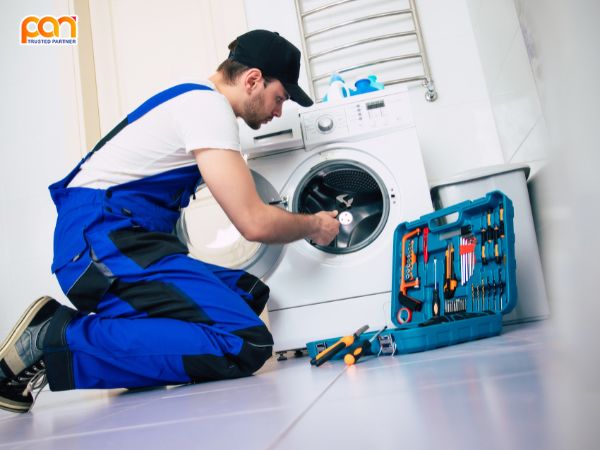
How to fix it: This is a mechanical issue involving critical components and should be inspected by a qualified technician. Avoid operating the machine for extended periods if the noise continues to worsen, as further damage to the shaft, drum or drive system may occur.
When Should You Contact a Washing Machine Repair Service?
Not every operating sound requires immediate repair, but users should arrange an inspection when any of the following signs appear:
- Unusually loud noise continues through multiple cycles.
- The machine shakes severely or moves from its original position.
- There is persistent banging, squealing or grinding.
- The drum rotates unevenly or the spin cycle is interrupted.
- The machine produces a burning smell, water leakage or other signs of damage.
For industrial washing machines, early technical inspection is especially important to avoid affecting laundry productivity, fabric quality and operational safety.
How to Prevent Loud Noise During the Spin Cycle
- Place the machine on a solid, level and stable surface.
- Do not exceed the recommended laundry capacity.
- Distribute laundry evenly before starting a cycle.
- Check clothing pockets and remove foreign objects.
- Clean the washing machine, drainage system and related components regularly.
- Perform preventive maintenance according to the manufacturer's recommendations.
- Stop the machine and contact a technician when unusual noise persists.
Conclusion
A washing machine that makes loud noises during spinning may have several causes, ranging from installation problems and unbalanced loads to worn shock absorbers, bearings or drive components. Identifying the cause and addressing it promptly helps maintain stable operation, reduce the risk of serious damage and extend equipment life.
If a washing machine produces unusual noise, it should not be operated continuously for an extended period without inspection. For industrial laundry systems in particular, regular maintenance and proper technical checks are essential for maintaining performance, laundry quality and operational safety.
PAN TRADING JOINT STOCK COMPANY
📞 Hotline: (+84) 28 3840 2222 | 0919 302 879
📧 Email: contact@pantrading.vn
🌐 Website: pantrading.vn | thietbigiatcongnghiep.com