A washing machine that does not fill with water is a common problem that can interrupt the laundry process. The cause may be related to the water supply, inlet system, or internal control components. Identifying the correct cause helps users choose an appropriate solution, save time, and avoid unnecessary repair costs.
In this article, PAN explains the common reasons why a washing machine may not fill with water and how to address the problem effectively, from simple checks to situations requiring professional technical assistance.
Causes and Solutions for a Washing Machine That Will Not Fill With Water
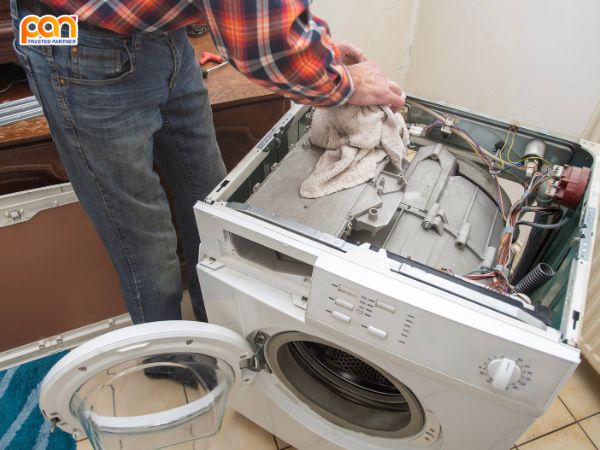
A washing machine may fail to fill with water for several reasons. The following are common causes and their corresponding solutions.
1. The Water Inlet Valve Is Closed
Cause: A closed or partially closed water inlet valve prevents water from flowing into the washing machine.
Solution: Check the water inlet valve behind the machine and make sure it is fully open before starting a washing cycle. This is one of the simplest causes to check and can usually be handled by the user.
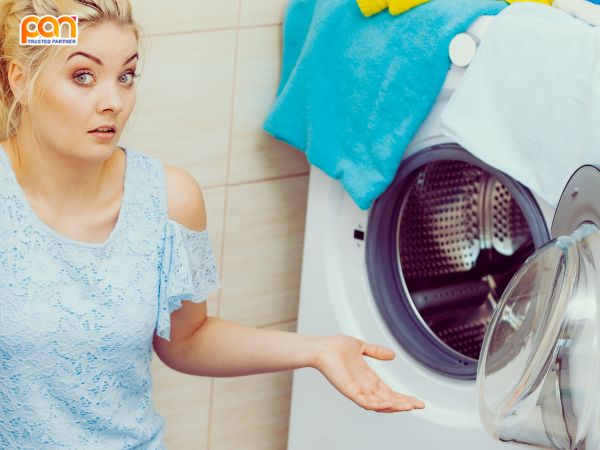
2. Low Water Pressure or Insufficient Water Supply
Cause: Low water pressure can cause water to enter the machine slowly or prevent the machine from meeting the conditions required to start a washing cycle. This may occur when the water tank is positioned too low, the piping system has restrictions, or water demand in the area increases.
Solution: Check the water flow from the inlet tap. If the flow is weak, inspect the piping system, water tank, and possible blockage points. Where necessary, a suitable booster pump may be installed for the water supply system.
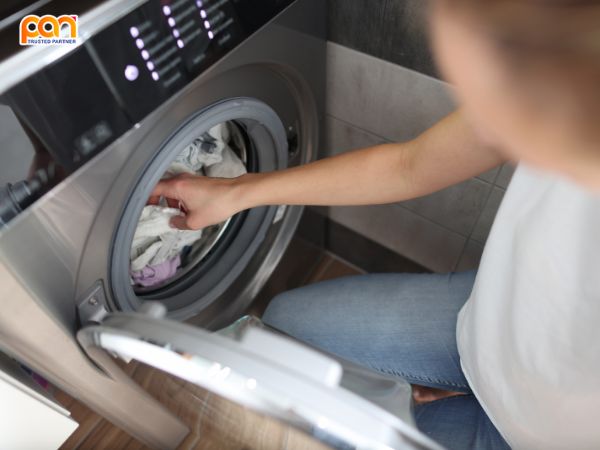
3. Clogged Water Inlet Filter
Cause: The filter at the water inlet valve helps remove sediment and impurities from the water supply. Over time, accumulated debris can restrict the flow of water into the machine.
Solution: Disconnect the power supply and close the water inlet valve before cleaning. Remove the water inlet hose, inspect the filter, and clean it with a soft brush or clean water. Do not use sharp objects to scrape the filter, as this may damage the component.
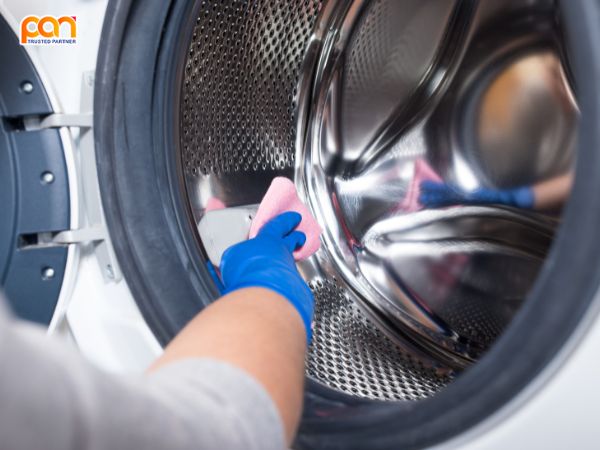
4. Kinked or Blocked Water Inlet Hose
Cause: A bent, twisted, compressed, or debris-filled inlet hose can reduce the amount of water flowing into the washing machine.
Solution: Inspect the entire length of the inlet hose and adjust its position if it is kinked. If the hose is cracked, deformed, or severely blocked, replace it with a suitable hose.
5. Faulty Water Level Sensor or Pressure Switch
Cause: The water level sensor helps the washing machine detect the amount of water in the drum and control the filling process. If the sensor, pressure hose, or related switch malfunctions, the machine may not correctly recognize the water supply status.
Solution: Inspection of the water level sensor should be carried out by a qualified technician. Do not dismantle or reconnect electronic components without the necessary technical knowledge and measuring equipment.
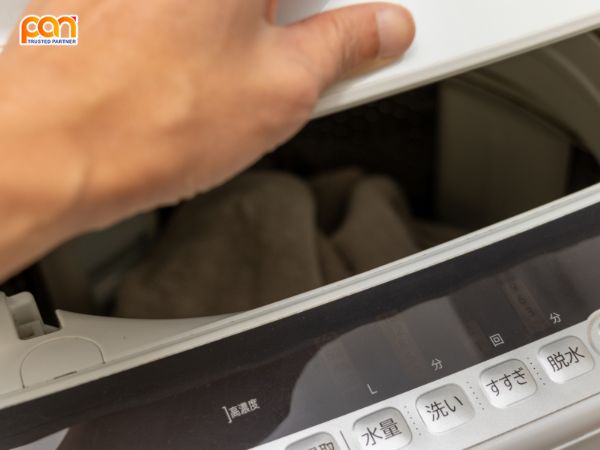
6. Damaged Water Inlet Valve
Cause: The water inlet valve directly controls the flow of water into the machine. Its internal electrical coil may be damaged, stuck, or unable to receive the control signal.
Solution: Inspect the water inlet valve according to the manufacturer's technical instructions. If the valve is damaged, replace it with a component that matches the required specifications. For industrial washing machines, use genuine components or compatible parts approved by a qualified technical service provider.
7. Faulty Control Board
Cause: The control board receives signals from sensors and coordinates the operation of the water inlet valve. If the board is affected by unstable power, moisture, or component failure, the machine may fail to activate the water filling command.
Solution: If the external water supply components appear to be functioning normally but the machine does not fill with water, the control board should be tested using specialized equipment. Repair or replacement should be performed by an experienced technician.
Other Common Washing Machine Problems and Solutions
In addition to water inlet problems, washing machines may experience other issues during operation.
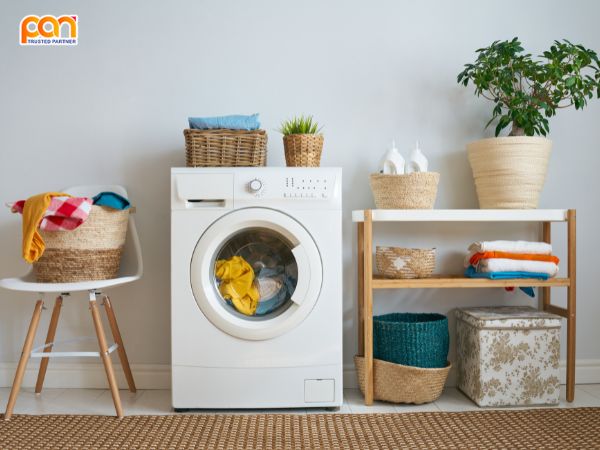
Washing Machine Will Not Drain Wastewater
Possible causes include a blocked drain hose, a stuck or damaged drain pump, or a control system fault. Users should inspect the drain hose, clean the filter, and remove any obstructions. If the machine still does not drain, contact a technician to inspect the drain pump and control circuit.
Washing Machine Does Not Turn Off After the Cycle Ends
This issue may be related to the control board, timing sensor, or door switch. If the machine continues operating without completing the program correctly, check the error codes and technical instructions provided by the manufacturer before requesting repair service.
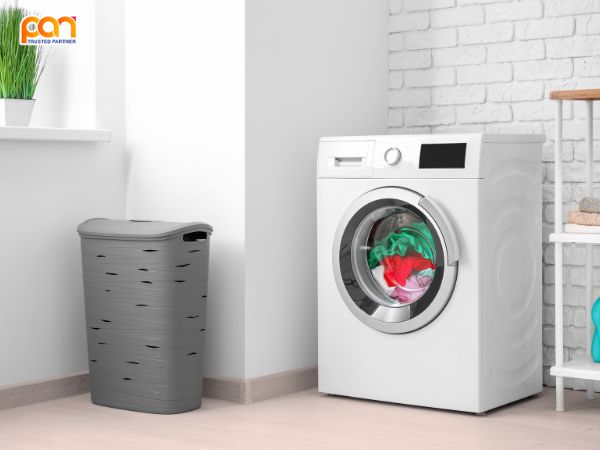
Washing Machine Makes Loud Noise or Vibrates Excessively
Common causes include an unlevel installation surface, an unbalanced laundry load, or damaged suspension components. Adjust the machine's position, distribute the laundry evenly inside the drum, and inspect the suspension system if excessive vibration continues.
Tips for Extending Washing Machine Service Life
- Clean the machine regularly: Clean the drum, filters, and water-contact components to reduce sediment and residue buildup.
- Use suitable detergents: Select products recommended by the manufacturer and appropriate for the type of machine.
- Avoid overloading: Keep the laundry load within the machine's designed capacity.
- Inspect the water inlet and drainage systems: Regularly check the inlet valve, inlet hose, drain hose, and filters.
- Perform regular maintenance: For industrial washing machines, follow a maintenance schedule to inspect the motor, inlet valve, drain pump, sensors, and control system.
- Ensure a stable power supply: Use an electrical system suitable for the equipment's capacity and technical requirements.
Conclusion
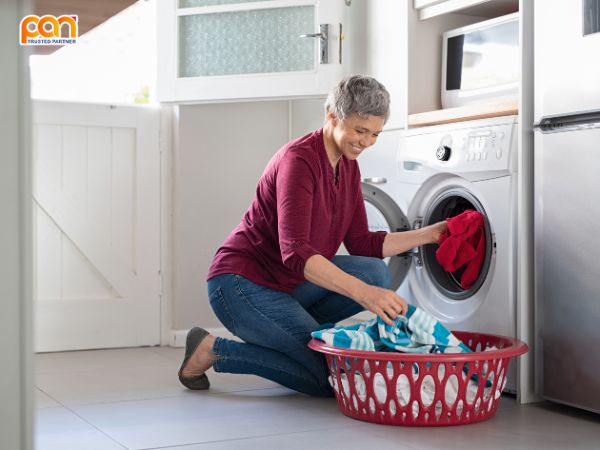
A washing machine that does not fill with water may result from simple issues such as a closed water inlet valve, low water pressure, or a clogged filter. However, the problem may also involve the water level sensor, inlet valve, or control board.
Following a systematic inspection process helps users identify the cause and select an appropriate solution. If you do not have technical expertise, especially when operating high-capacity industrial washing machines, contact a professional technical service provider for safe and accurate assistance.
Contact PAN for Industrial Laundry Equipment Consultation
If your business needs consultation on industrial washing machines, industrial dryers, or a suitable laundry equipment solution, please contact:
PAN Trading JSC
📞 Hotline: (+84) 28 3840 2222 | 0919 302 879
📧 Email: contact@pantrading.vn
🌐 Website: pantrading.vn | thietbigiatcongnghiep.com