A washing machine is an important part of laundry operations in homes, hotels, hospitals and professional laundries. When a washing machine takes longer than usual, the extended cycle can affect laundry productivity as well as water and energy consumption. Identifying the cause helps determine the appropriate way to inspect and resolve the problem.
Average Washing Machine Cycle Times
To determine whether a washing machine is operating abnormally, it is useful to understand the typical duration of common washing programs:
- Top-load washing machines: Standard cycles typically take around 40–60 minutes.
- Front-load washing machines: Typically around 60–120 minutes, depending on the program.
- Quick wash: Around 15–30 minutes.
- Normal wash: Around 45–90 minutes.
- Bedding cycle: Around 90–120 minutes.
If the actual cycle takes significantly longer than expected, check the water supply, electrical supply, load size, drainage system and machine components.
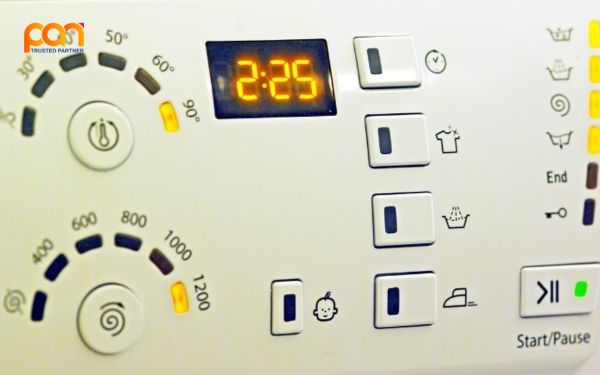
Signs That a Washing Machine Is Taking Too Long
Unusually Long Washing Cycles
The machine takes significantly longer than expected to complete the same program. Even a quick-wash program may continue far beyond its normal duration.
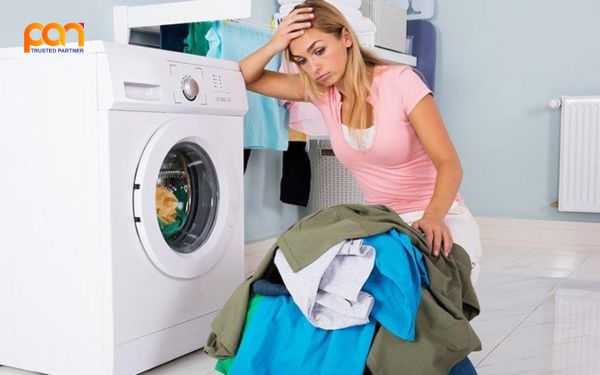
Repeated Washing Cycle Steps
The machine may repeatedly fill or drain water without moving to the next stage. In some cases, the cycle may stop and restart without an obvious reason.
Clothes Remain Wet or Are Not Properly Cleaned
Clothes may remain excessively wet, insufficiently clean or have detergent or softener residue after the cycle is completed. This may indicate that one or more stages of the washing process are not operating correctly.

Unusual Operating Noise
Loud or irregular noise during water filling, drum rotation or spinning may indicate that a component is malfunctioning.
The Cycle Does Not Finish on Time
The machine may fail to complete the selected program within the expected time, or the displayed remaining time may not decrease normally.
The Machine Stops During Operation
The machine may remain inactive for an extended period and require a restart before the cycle continues. This interrupts laundry operations and increases processing time.
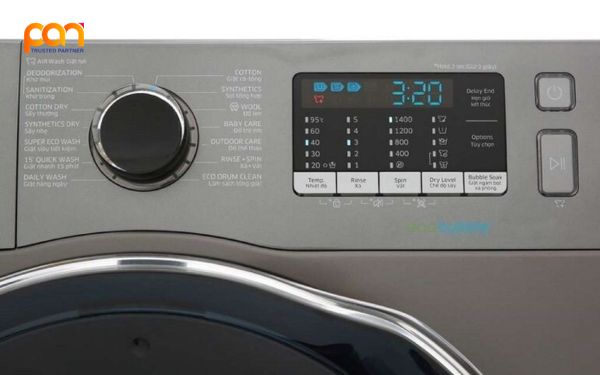
Unstable Water Supply or Drainage
Slow water filling, insufficient water supply or slow drainage can interrupt the cycle and increase the total washing time.
Common Reasons Why a Washing Machine Takes Longer Than Usual
When a washing machine runs longer than expected, the cause may be related to the water supply, electrical supply, selected program, laundry load, drainage system or technical faults.
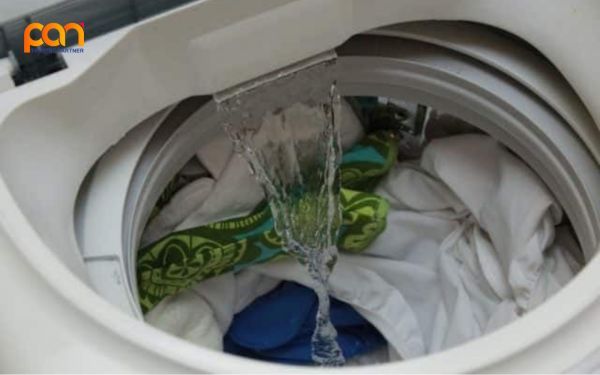
Weak or Unstable Water Supply
A weak water supply is one of the common causes of extended washing cycles.
- Low water pressure: The machine needs more time to reach the required water level.
- Blocked water inlet pipe: Deposits or obstructions reduce water flow.
- Faulty water inlet valve: A stuck or unstable valve can slow down water filling.
Unstable Electrical Supply
Low or fluctuating voltage can affect the operation of the motor and other components, reducing machine performance and potentially extending the cycle.
- Low voltage: An inadequate electrical supply can affect the operation of the motor and components.
- Voltage fluctuations: An unstable power supply may cause errors or reduce machine performance.
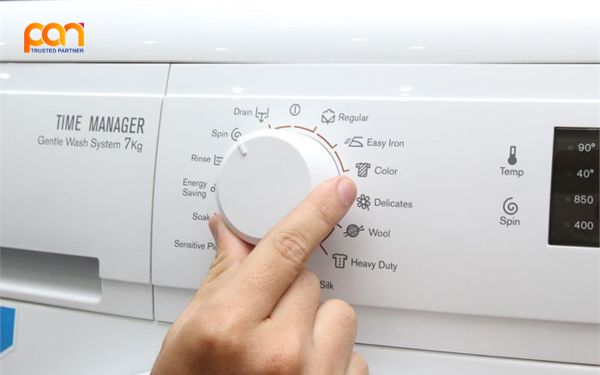
Incorrect Washing Program
Different programs are designed for different laundry requirements. Bedding and intensive programs normally take longer. Using a long cycle for lightly soiled laundry may unnecessarily increase operating time.
Overloading or Unevenly Distributed Laundry
Loading too much laundry or distributing textiles unevenly can cause drum imbalance. The machine may need to adjust or repeat certain steps, extending the cycle.
- Excessive load: Exceeding the recommended capacity can increase the operating load and extend the cycle.
- Uneven load distribution: An unbalanced drum may require the machine to make adjustments before continuing.
Blocked Filter or Drain Hose
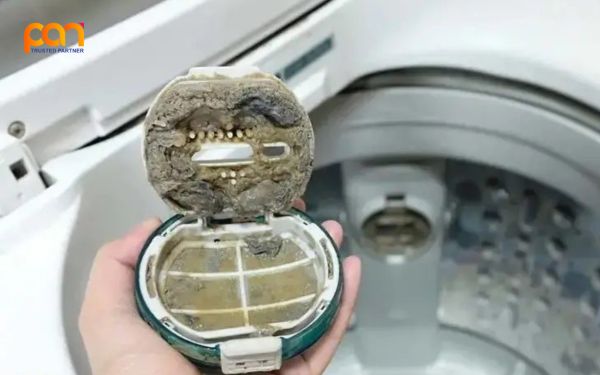
Lint, deposits or debris accumulated in the filter and drain system can slow water drainage. When water cannot drain properly, the machine may require additional time to complete the cycle.
- Blocked filter: Accumulated deposits reduce drainage speed.
- Blocked drain hose: Slow drainage increases the time required to complete the program.
Technical Faults or Damaged Components
Several technical components can extend the washing cycle when they malfunction, including:
- Water inlet valve: Delayed or insufficient water supply.
- Drain pump: Slow drainage can extend the cycle.
- Sensors or control board: Technical problems may cause repeated cycles or prevent the machine from moving to the next stage.
How to Fix a Washing Machine That Takes Too Long
Start by checking the basic operating conditions, including water supply, electrical supply, selected program, laundry load and drainage. If these checks do not resolve the problem, professional technical inspection may be required.
Check the Water Supply
Check water pressure, inlet pipes and the water inlet valve. If water pressure is too low, an appropriate pressure-boosting solution may be considered. Clean the inlet pipe regularly to reduce deposits and maintain water flow.
Ensure a Stable Electrical Supply
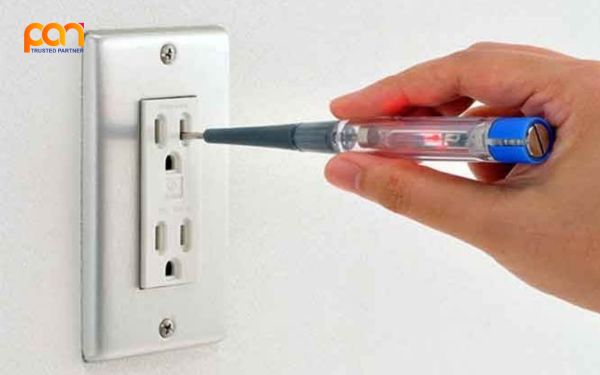
Check the electrical supply to the machine. Where voltage fluctuations are common, an appropriate voltage stabilizer may be considered. Electrical systems should be inspected by qualified personnel when necessary.
Select the Appropriate Washing Program
Select the program according to the textile type, load size and soil level. For lightly soiled laundry, a shorter program may be used when permitted by the machine manufacturer.
Avoid Overloading the Machine
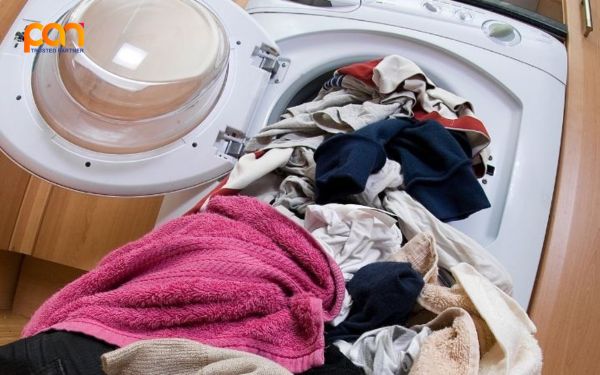
Do not exceed the recommended load capacity. Distribute laundry properly inside the drum to reduce imbalance during operation.
Clean the Filter and Drain System Regularly
Regularly inspect and clean the filter and drain hose to prevent lint and deposits from restricting water flow. A clean drainage system helps maintain stable cycle operation.
Contact a Professional Repair Service
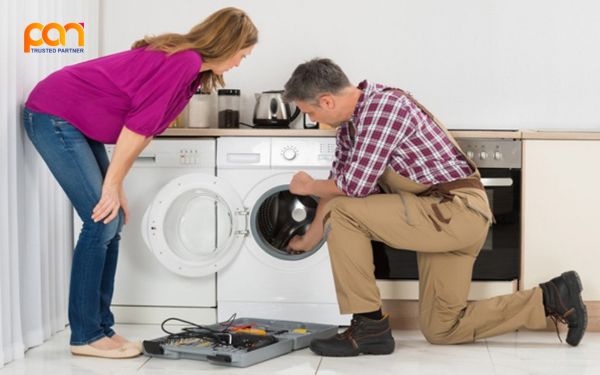
If the machine continues to take unusually long after basic checks, avoid disassembling electrical components or internal parts yourself. Contact a qualified technician for inspection and maintenance.
Tips to Prevent Extended Washing Cycles
To maintain stable washing machine operation and reduce the risk of extended cycles, pay attention to maintenance, laundry chemicals, installation conditions, load size, water supply and electrical supply.
Perform Regular Maintenance
Clean the machine and inspect components such as the water inlet valve, drain pump and filters according to an appropriate maintenance schedule. Regular maintenance can help identify problems before they affect operating time.
Use Appropriate Detergent and Fabric Softener
Use laundry chemicals suitable for the machine and follow the recommended dosage. Excessive detergent can create excessive foam and affect the washing process.

Install the Machine in a Suitable Location
Place the machine on a stable, dry and well-ventilated surface. Avoid locations exposed to excessive moisture, heat or prolonged direct sunlight.
Use the Appropriate Load Size
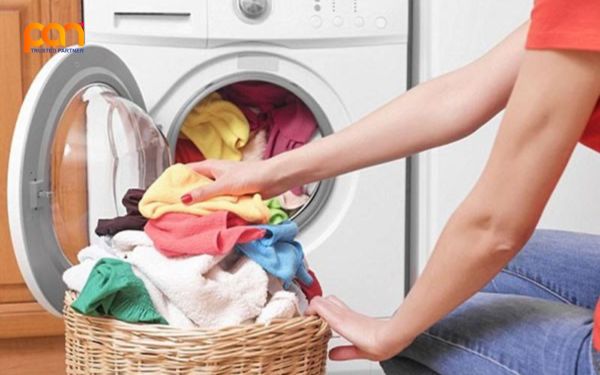
Do not exceed the recommended load capacity and distribute laundry evenly inside the drum. This helps maintain stable operation throughout the washing cycle.
Ensure Stable Water and Electrical Supply
Regularly check water pressure, inlet pipes and electrical supply. Address abnormal signs early to prevent disruption to the entire washing process.
High-Capacity Industrial Washing Machines
For laundries, hotels, hospitals and facilities processing large volumes of textiles, industrial washing machines should be selected based on required capacity, daily laundry volume, available installation space and operating requirements.
Fagor LA-60 TP2 Industrial Washing Machine
- Capacity: 60 kg per wash.
- Key features: TP2 technology with a color touchscreen for programming and operation.
- Application: Suitable for facilities processing large volumes of laundry.
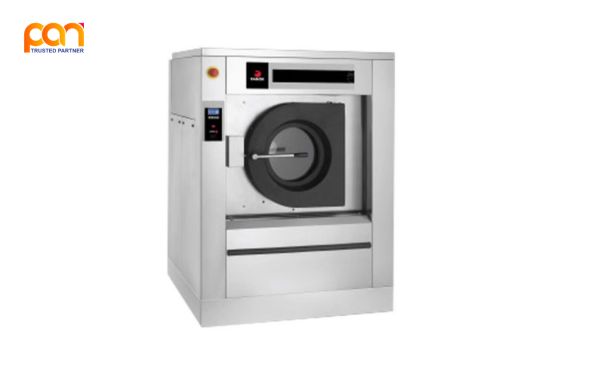
Fagor LA-45 TP Industrial Washing Machine
- Capacity: 45 kg per wash.
- Key features: Robust design and suspension system supporting reduced vibration and noise.
- Application: Suitable for hotels, hospitals and professional laundries.
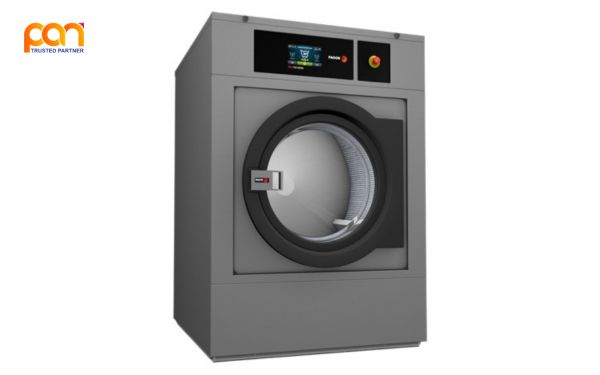
Fagor LA-25 TP2 Industrial Washing Machine
- Capacity: 25 kg per wash.
- Key features: TP2 technology, user-friendly interface and compact design for limited spaces.
- Application: Suitable for small and medium-sized facilities.
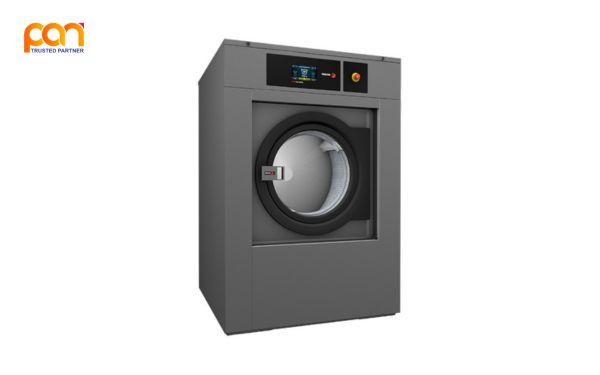
When selecting an industrial washing machine, businesses should consider daily laundry volume, installation space and actual operating requirements to determine the appropriate equipment.
Conclusion
A washing machine that takes longer than usual can be caused by water supply, electrical supply, the selected washing program, laundry load, drainage problems or technical faults. Identifying the cause early and applying the appropriate solution can help reduce interruptions, maintain washing performance and support longer equipment service life.
Contact PAN for Consultation
If your business is looking for an industrial washing machine or needs advice on selecting equipment for a professional laundry, PAN can support equipment selection and industrial laundry solution planning.
Contact PAN for advice on industrial laundry equipment and solutions.
Contact Information
PAN TRADING JSC
📍 142 B2 Street, Sala Urban Area, An Khanh Ward, Ho Chi Minh City, Vietnam
📞 (+84) 28 3840 2222 - 0919 302 879
🌐 pantrading.vn | thietbigiatcongnghiep.com
📩 contact@pantrading.vn